
- Name
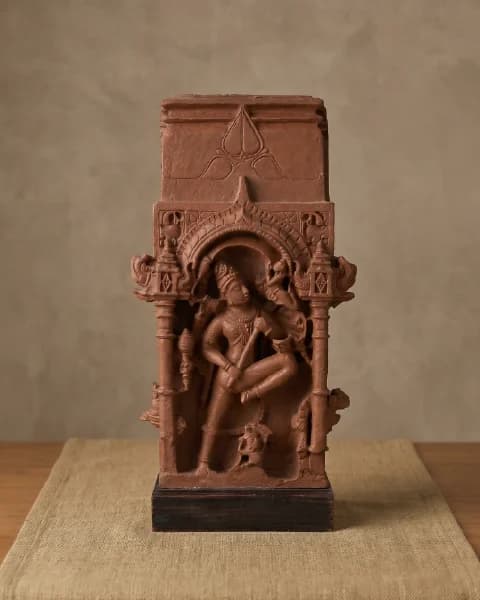
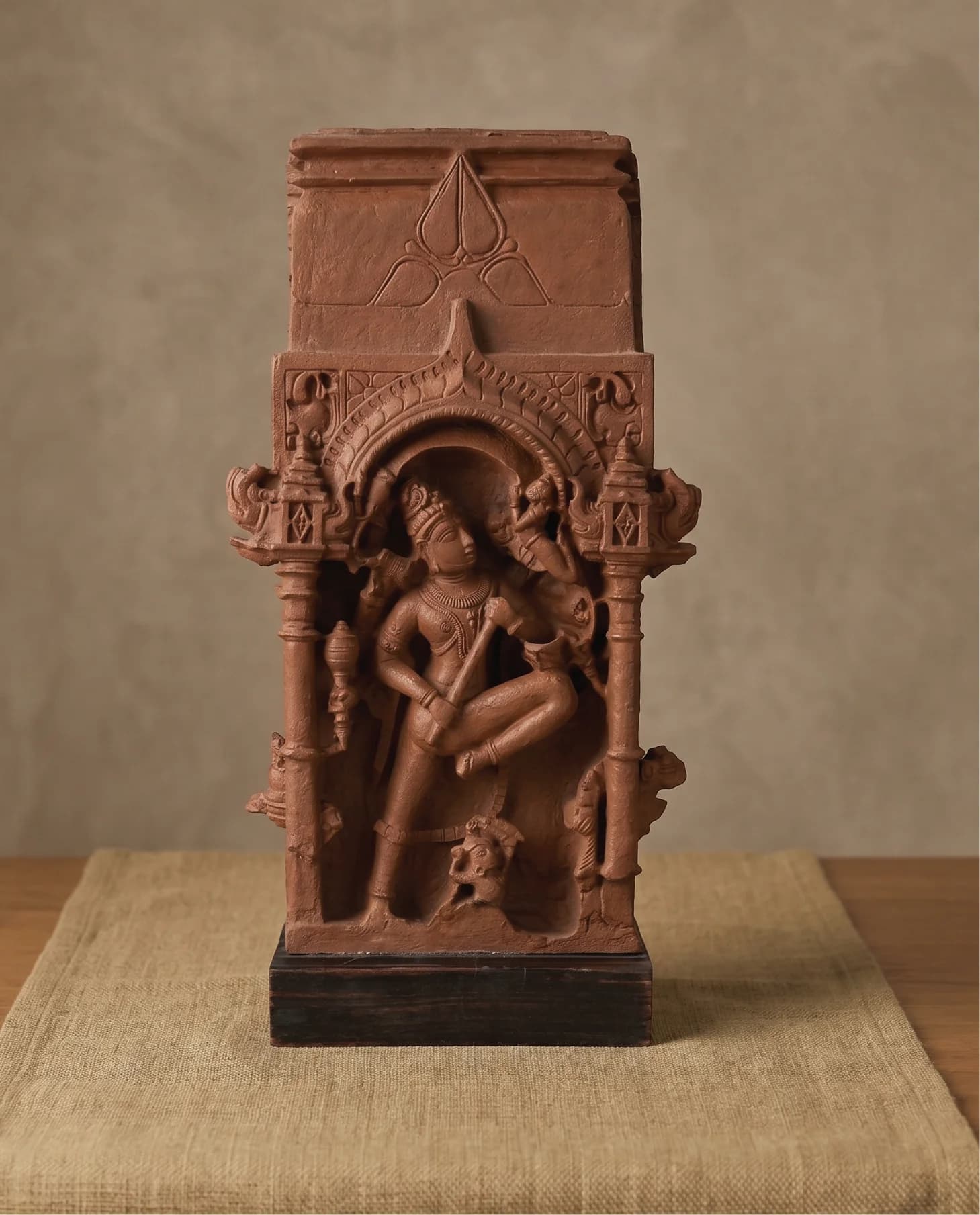
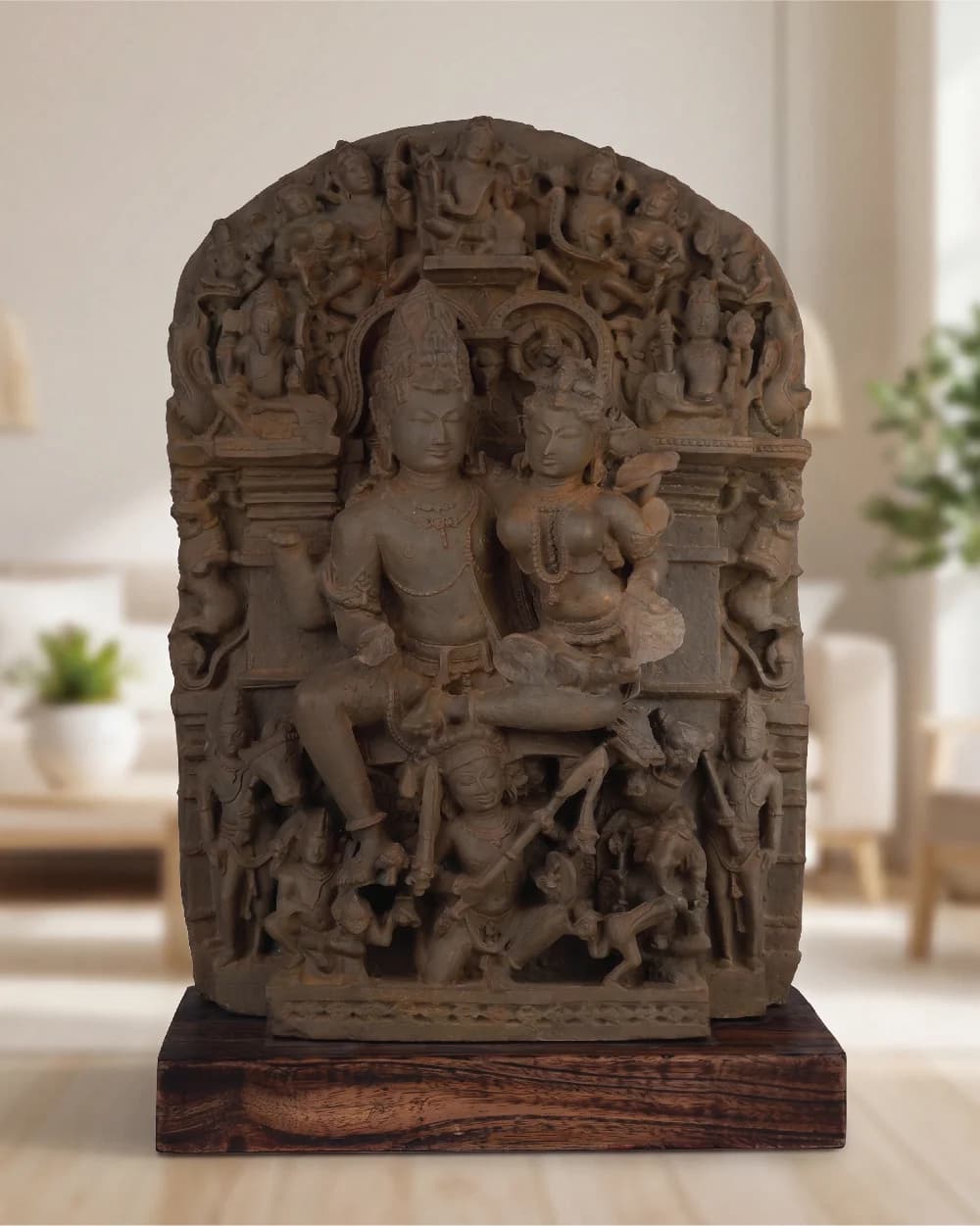
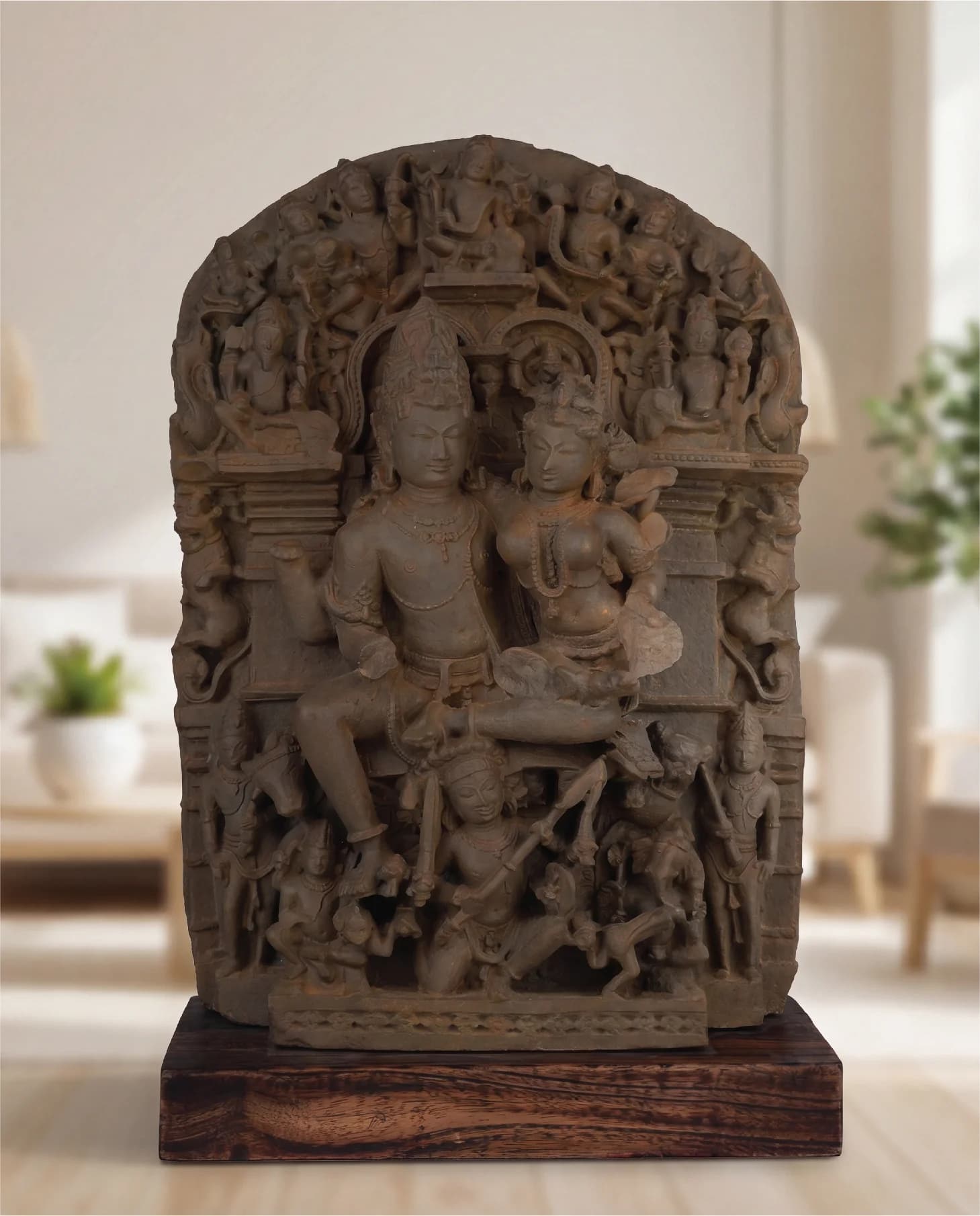
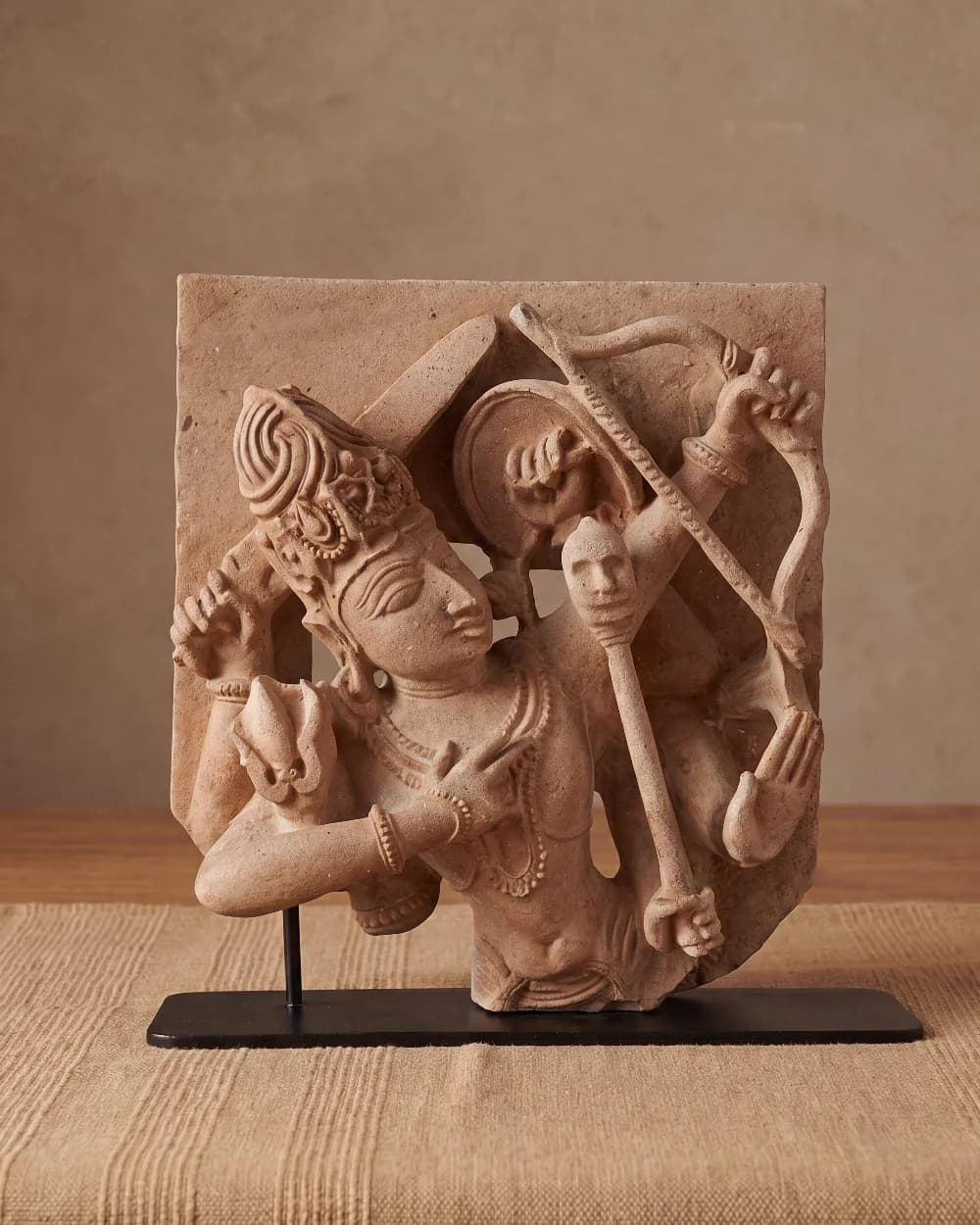
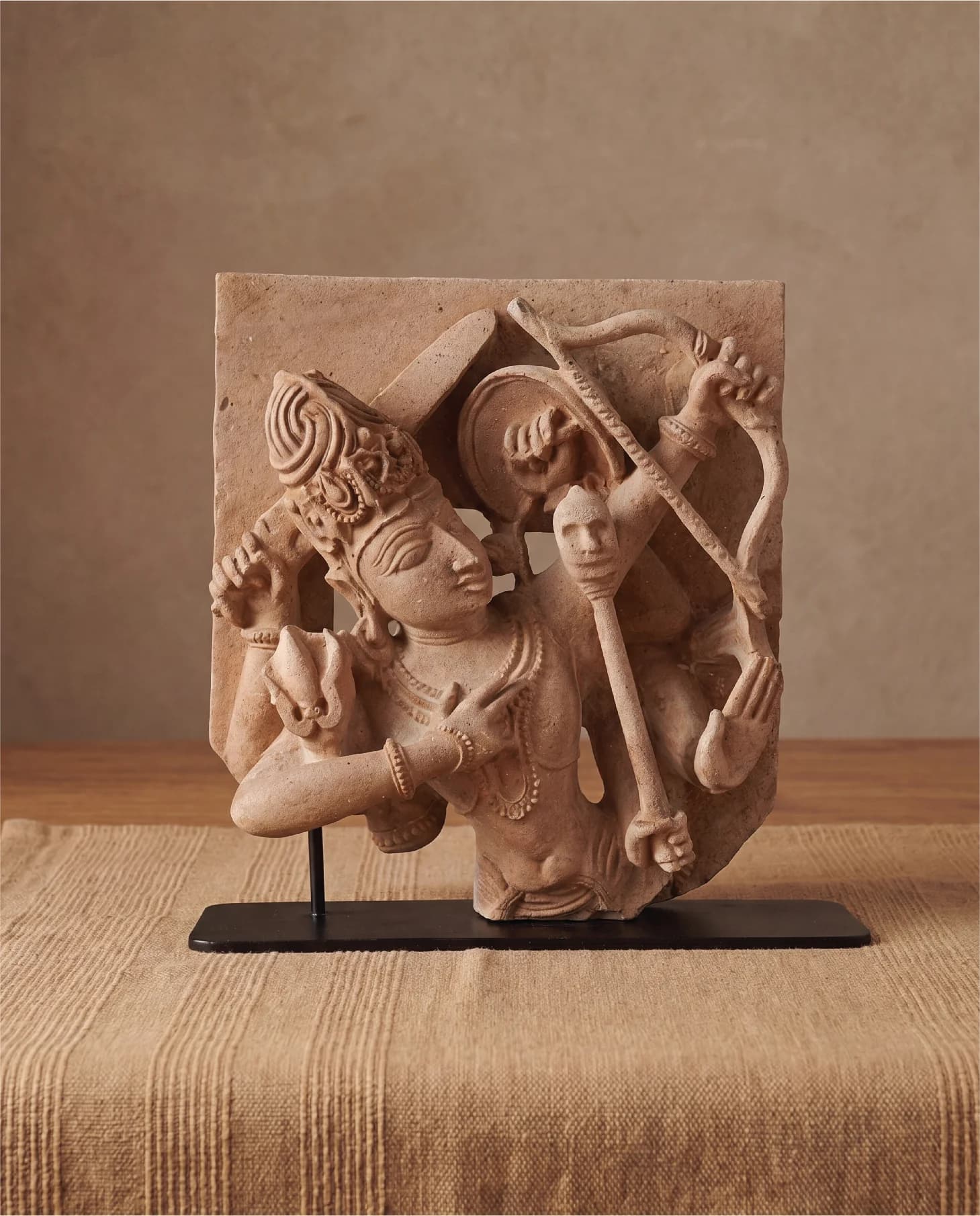
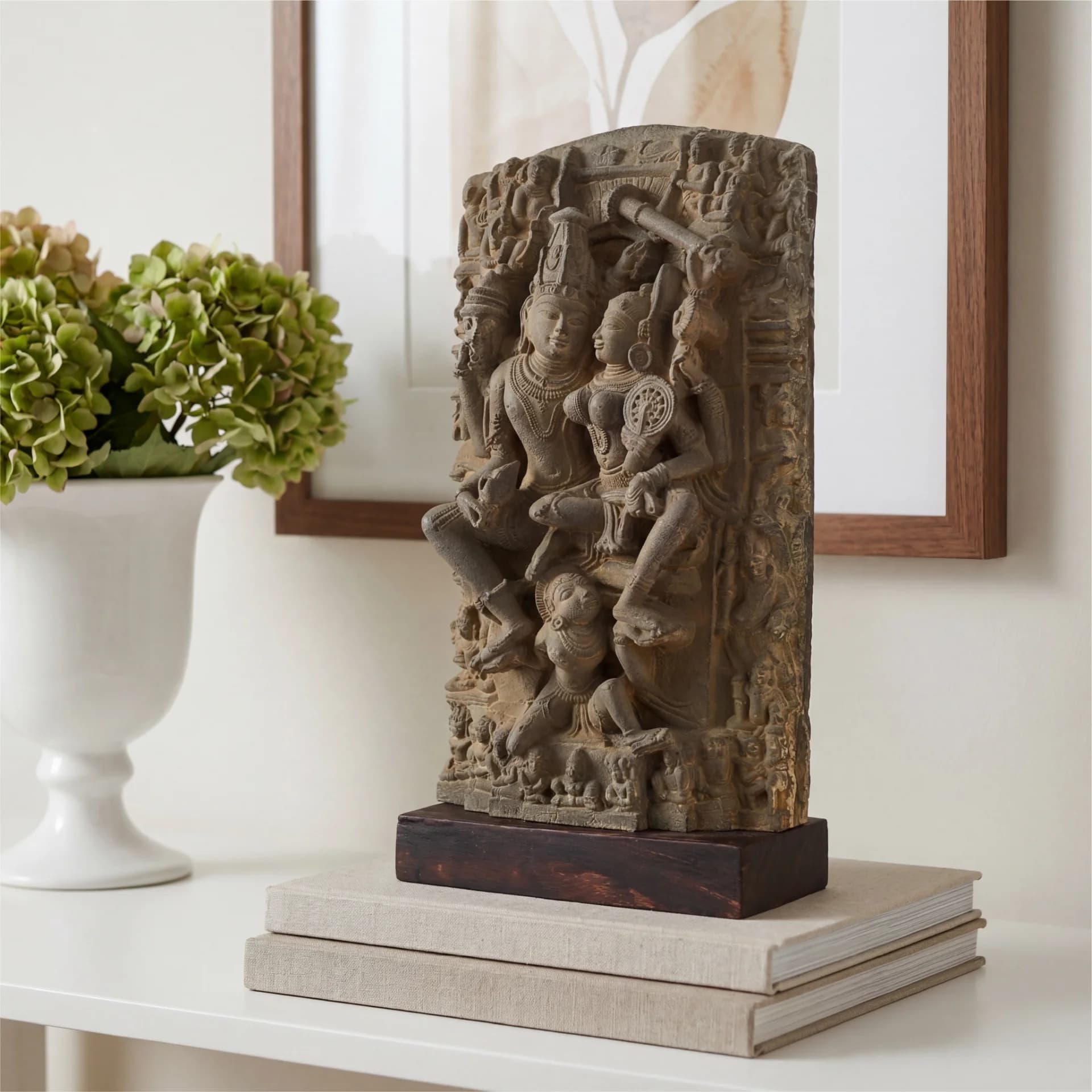
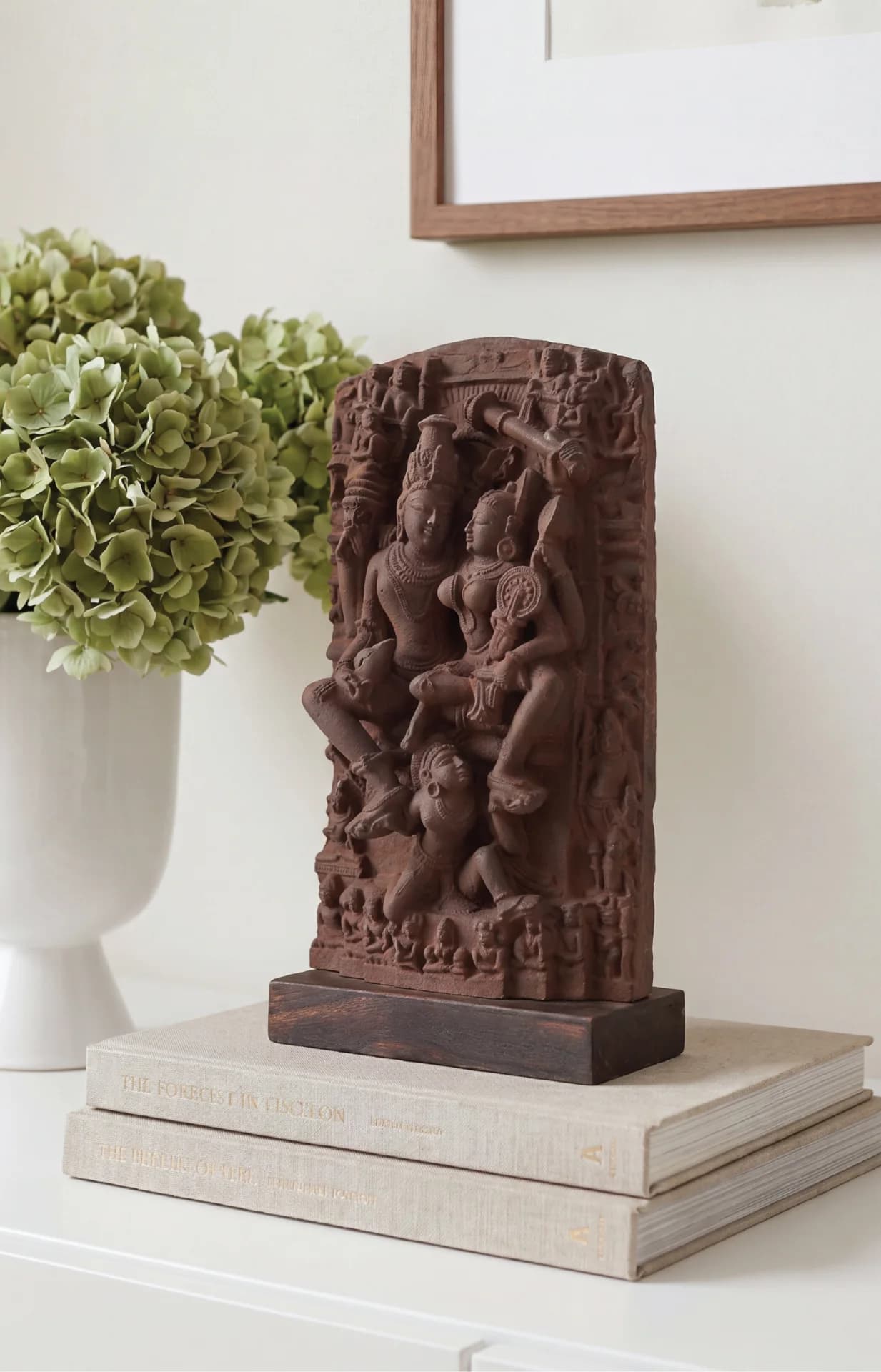
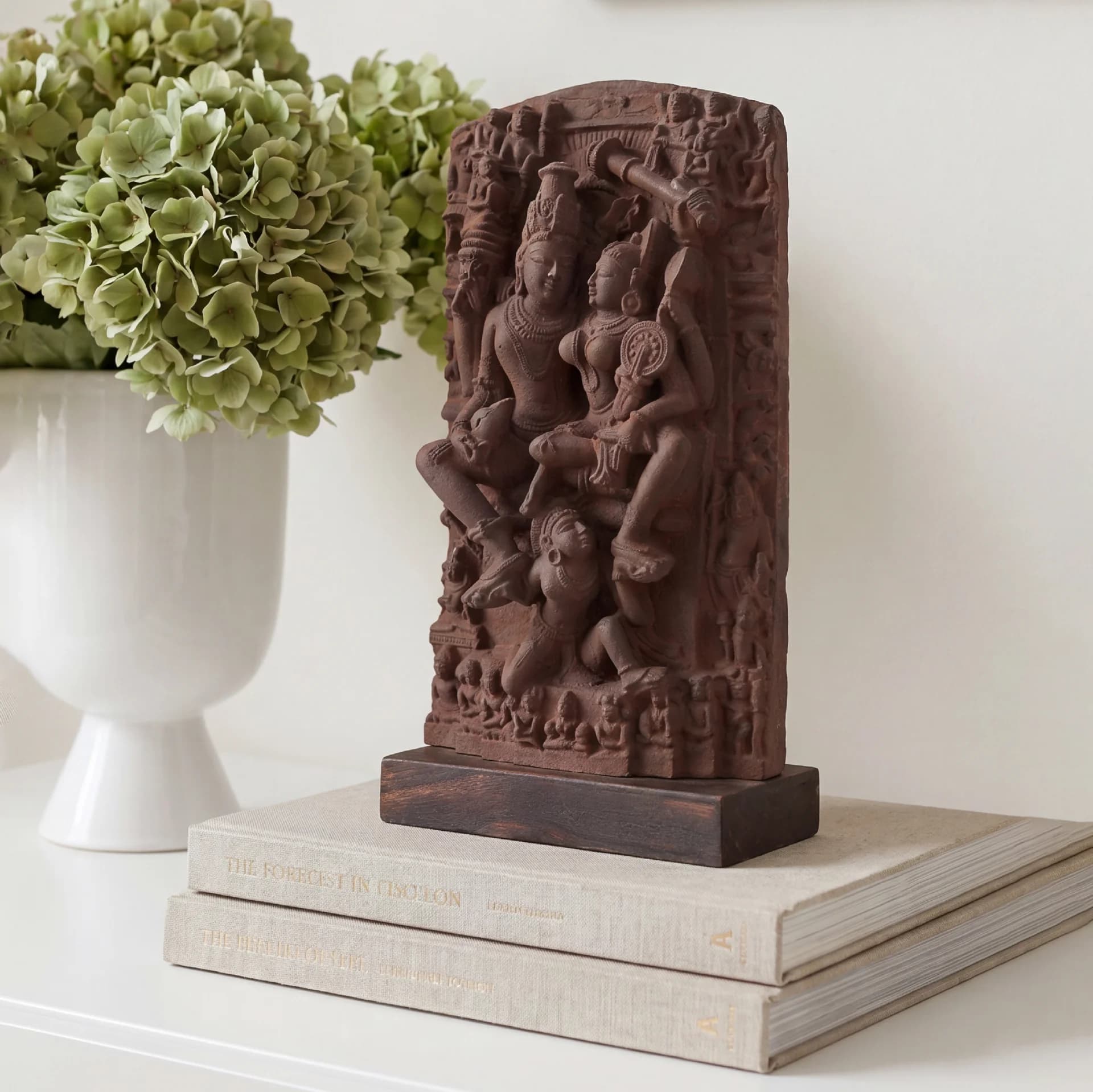
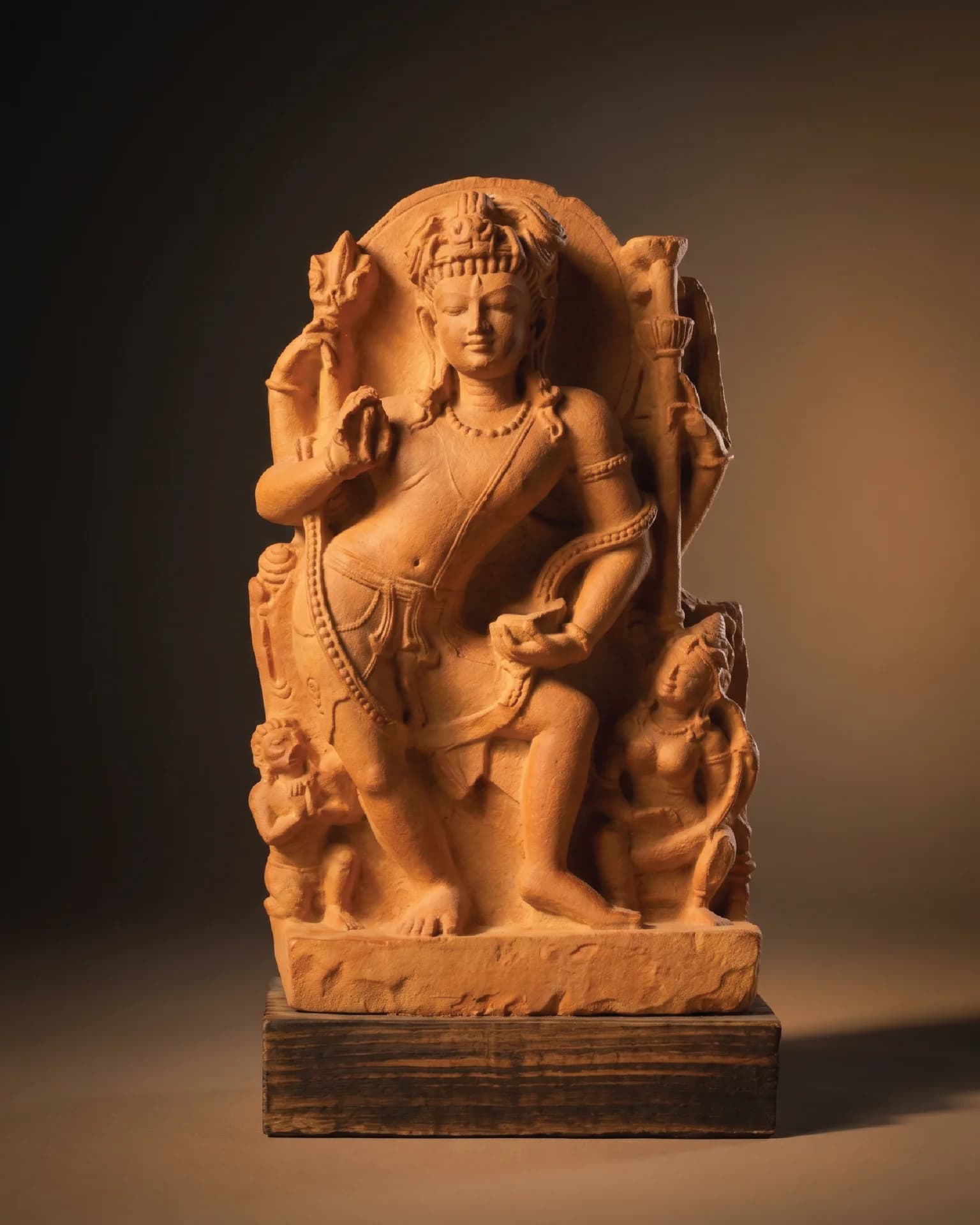
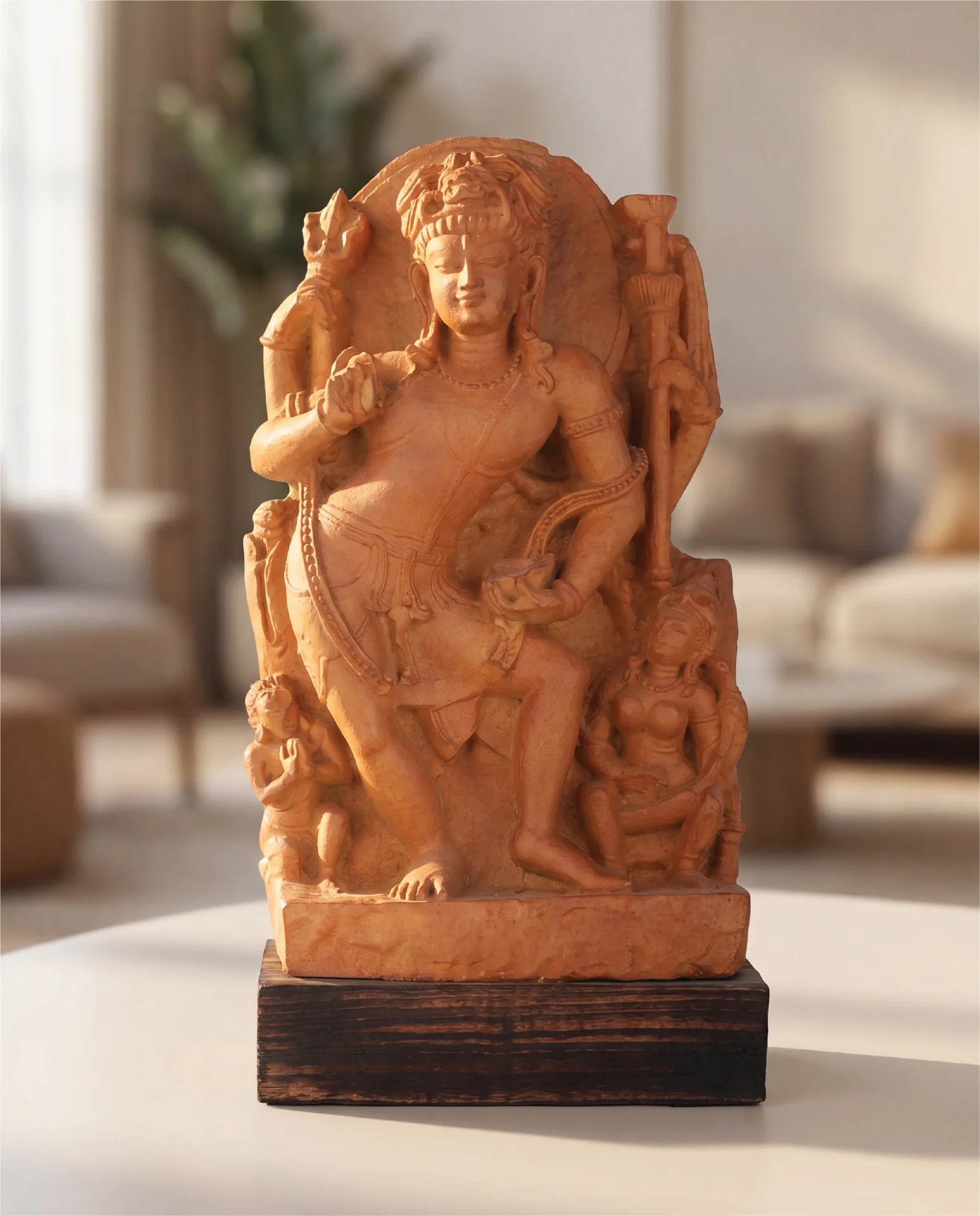
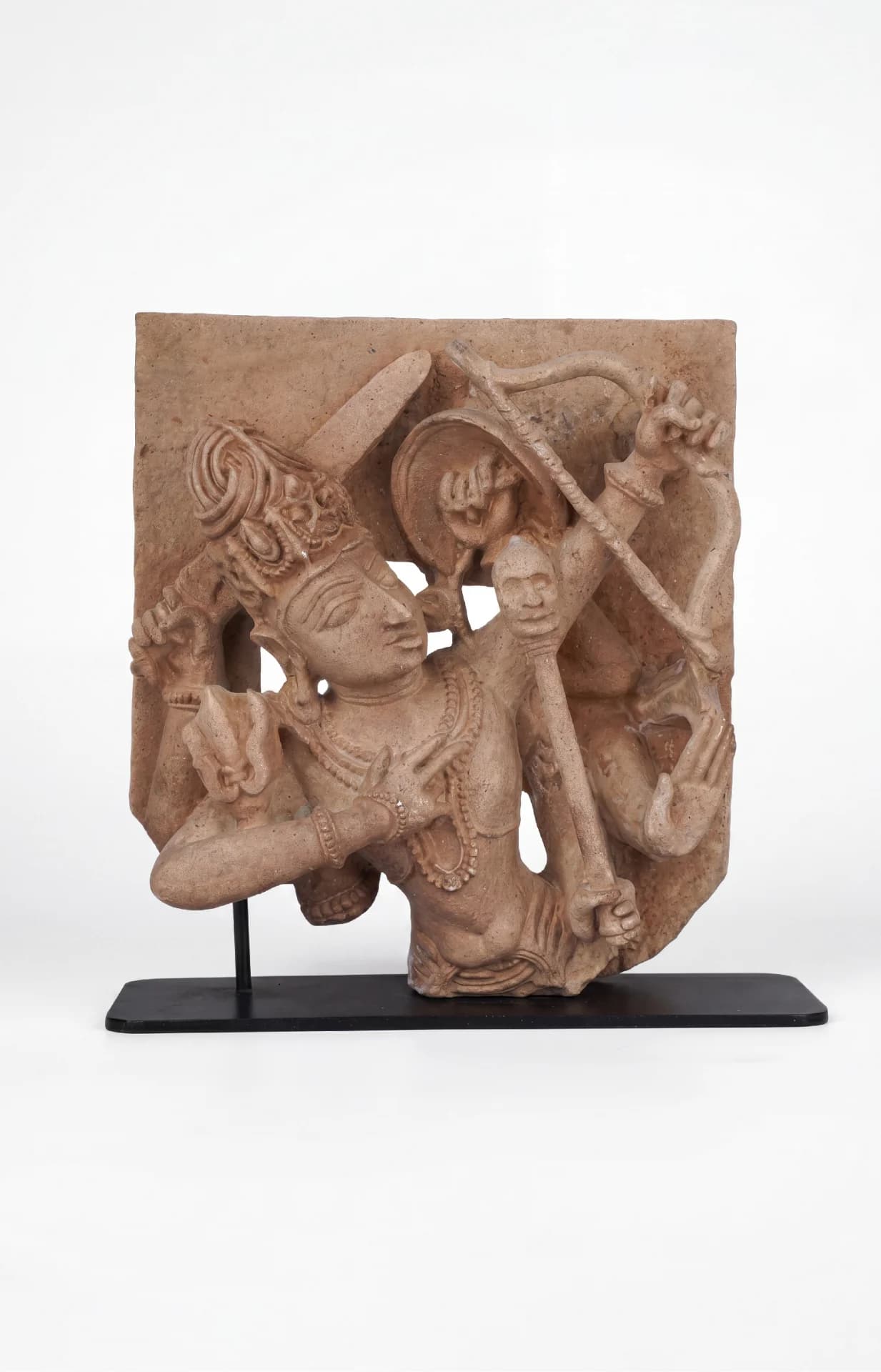
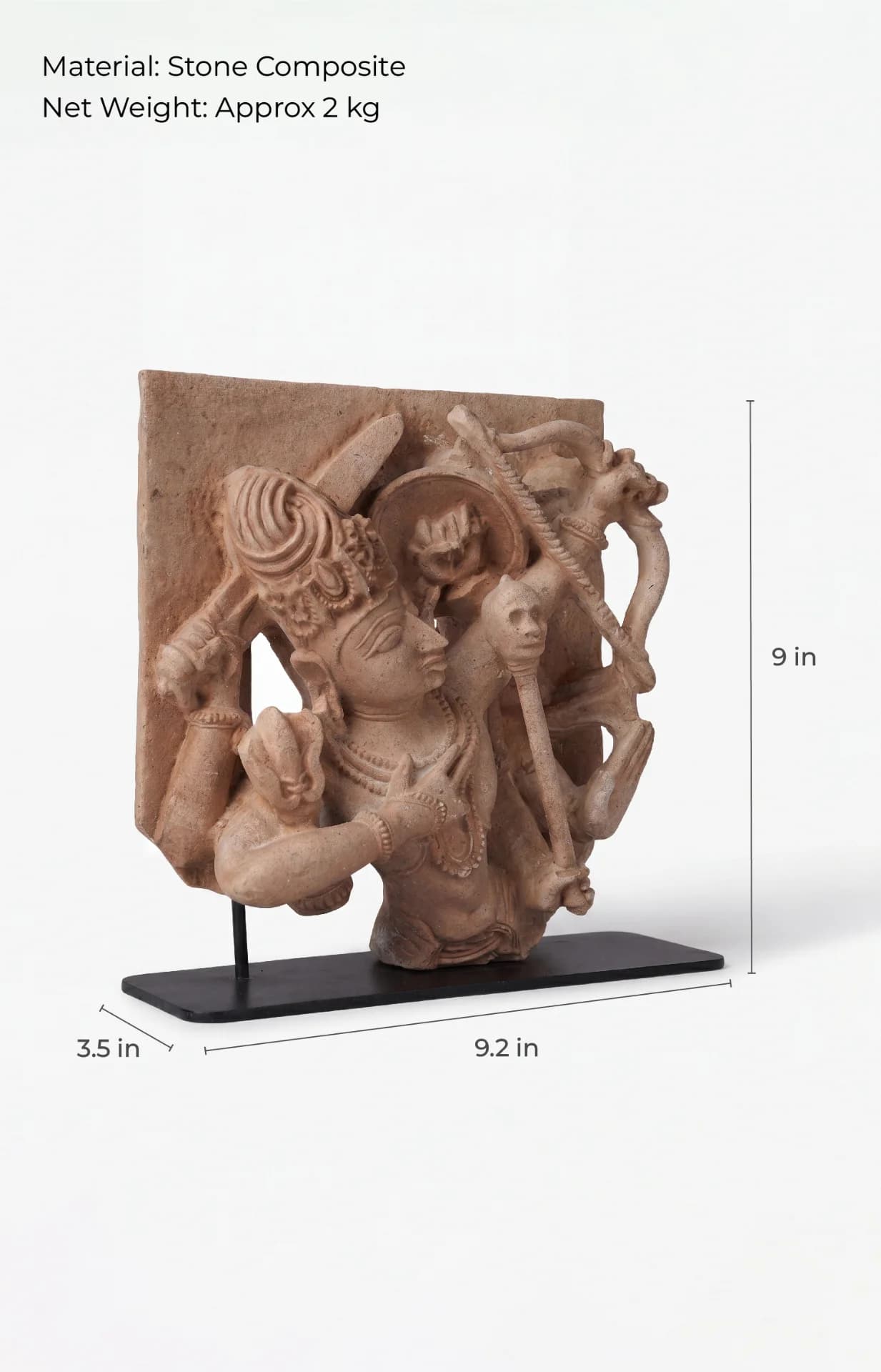
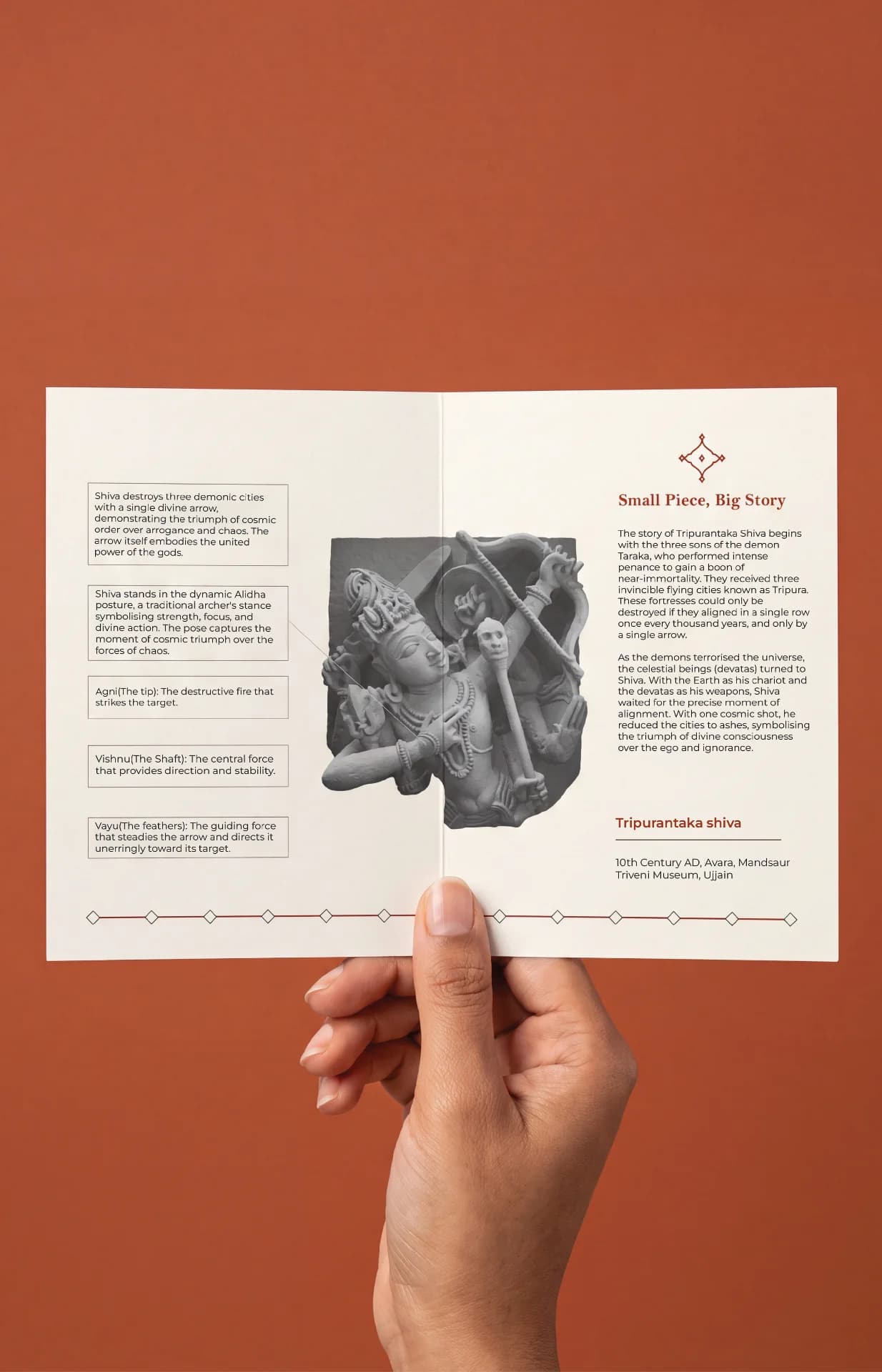
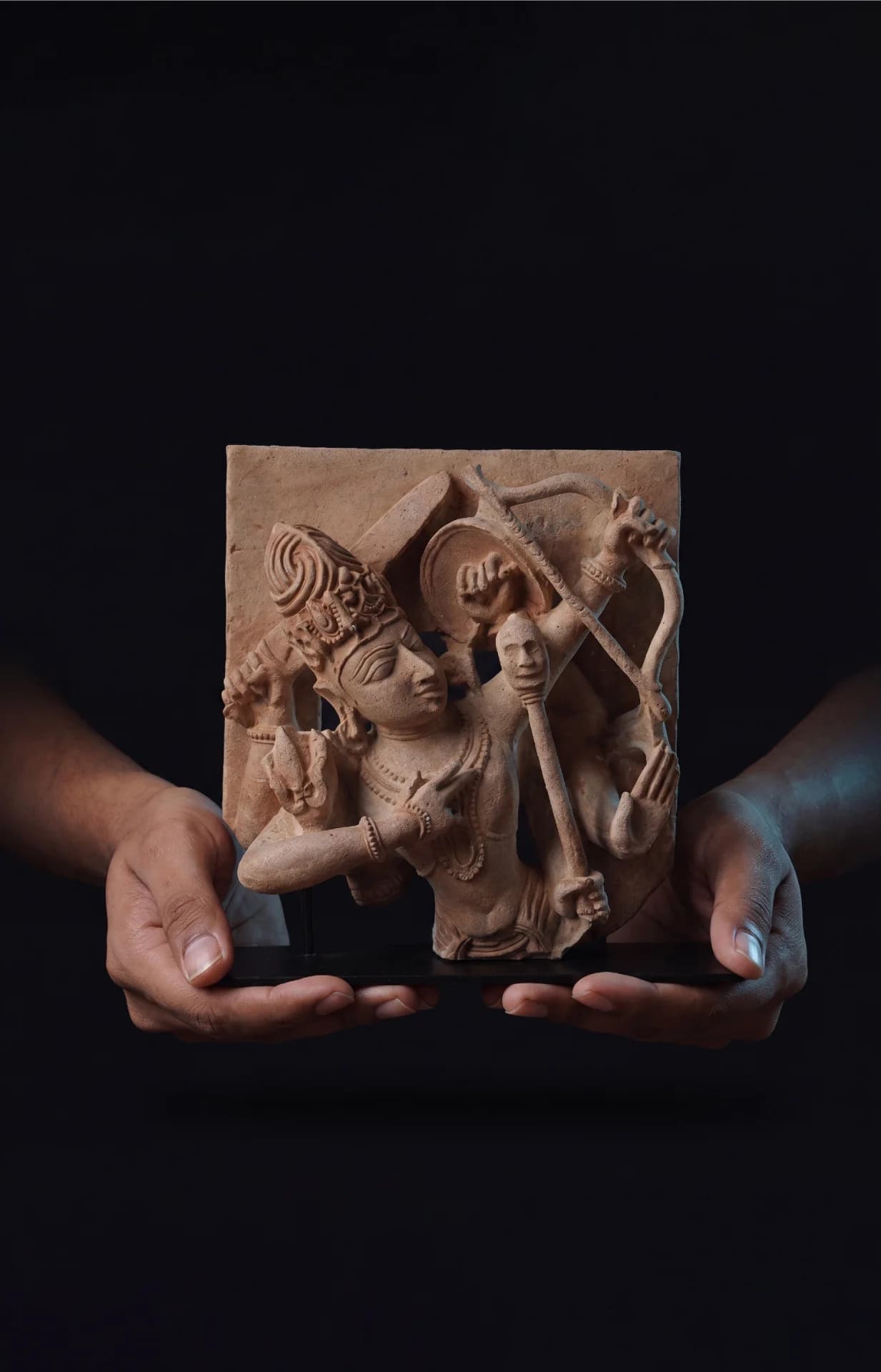
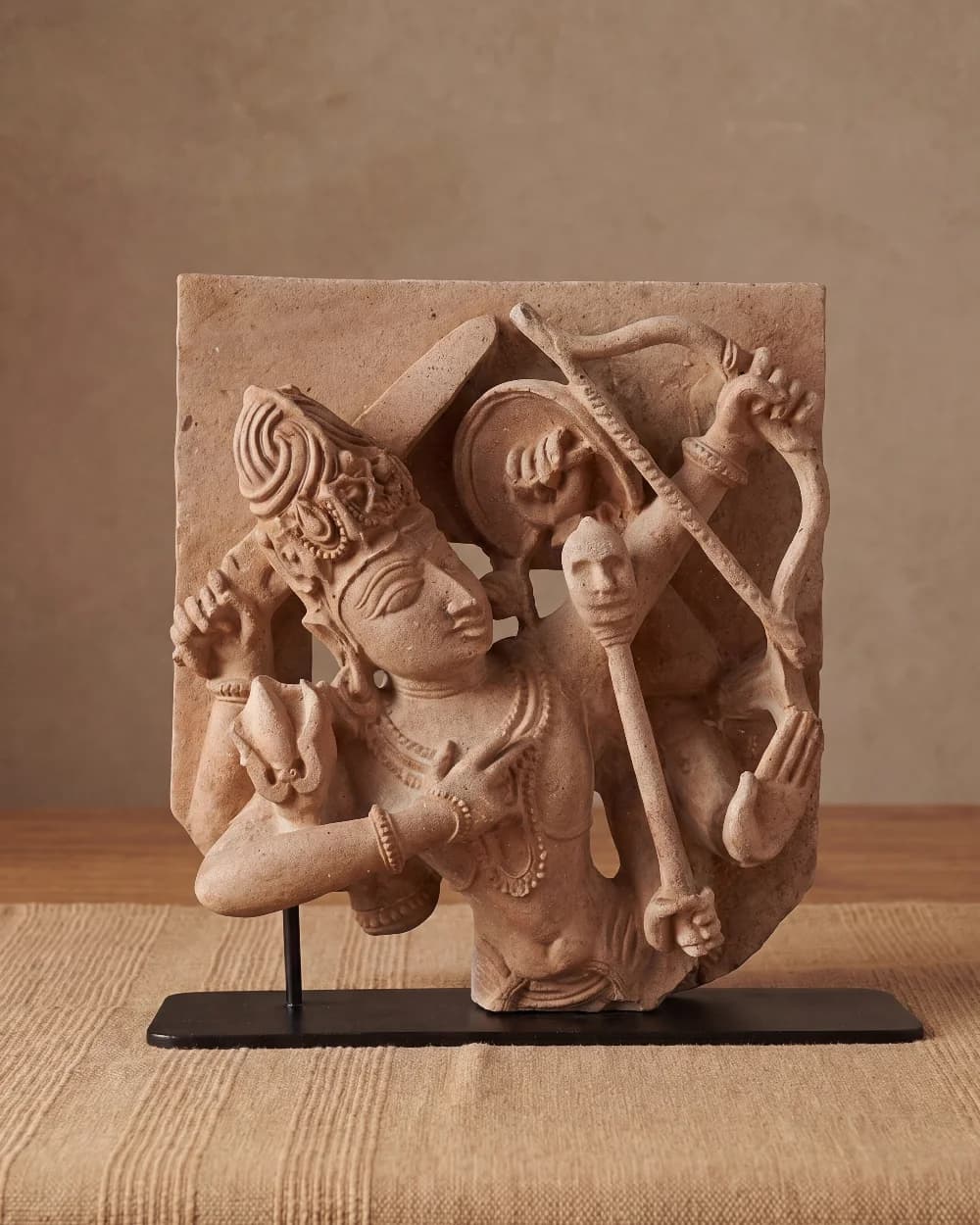
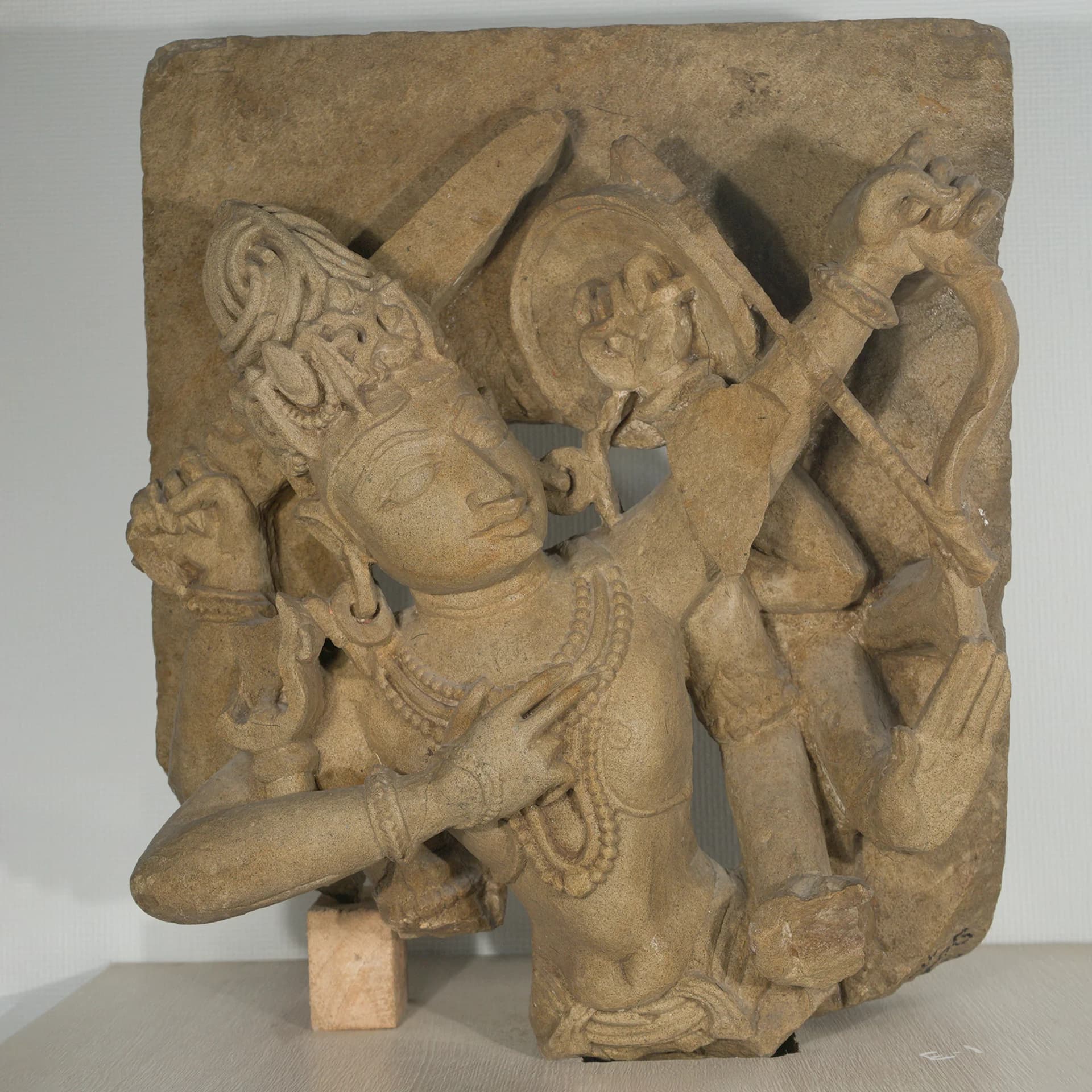
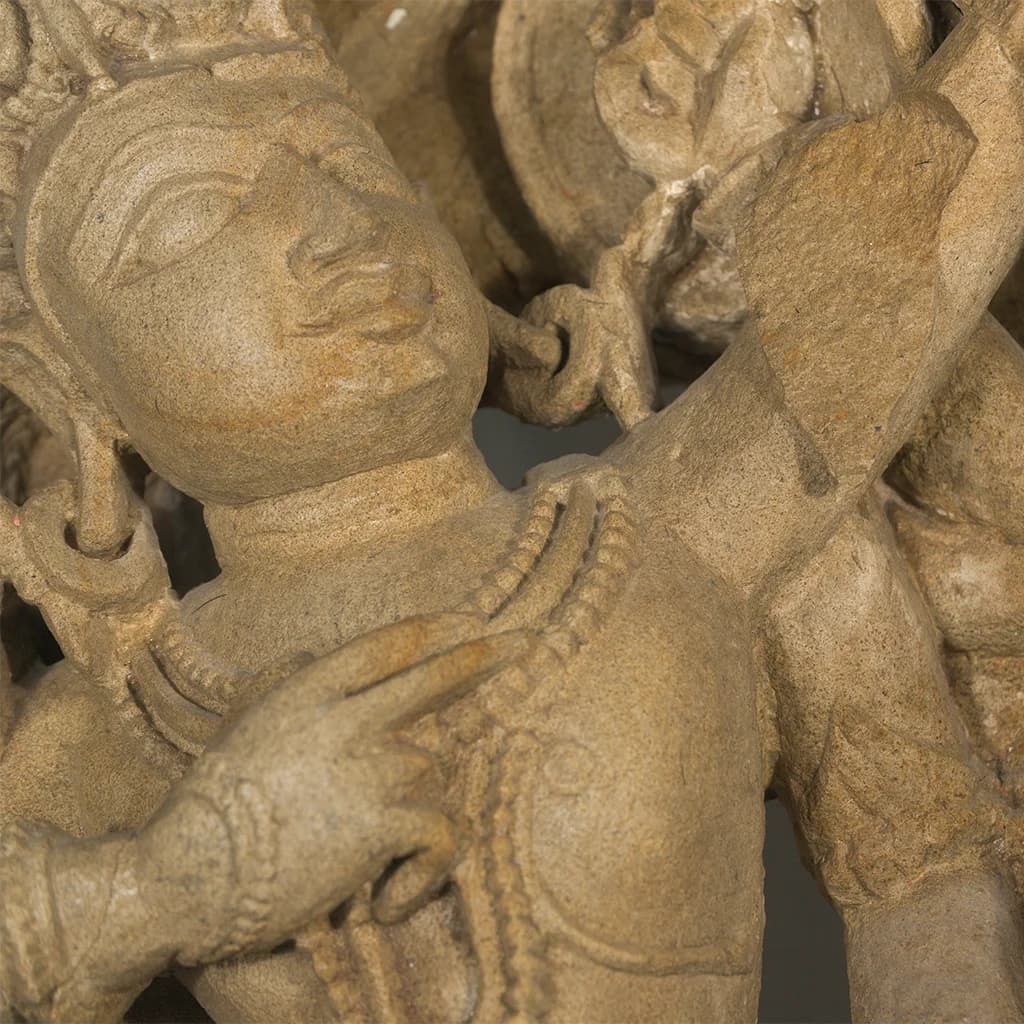
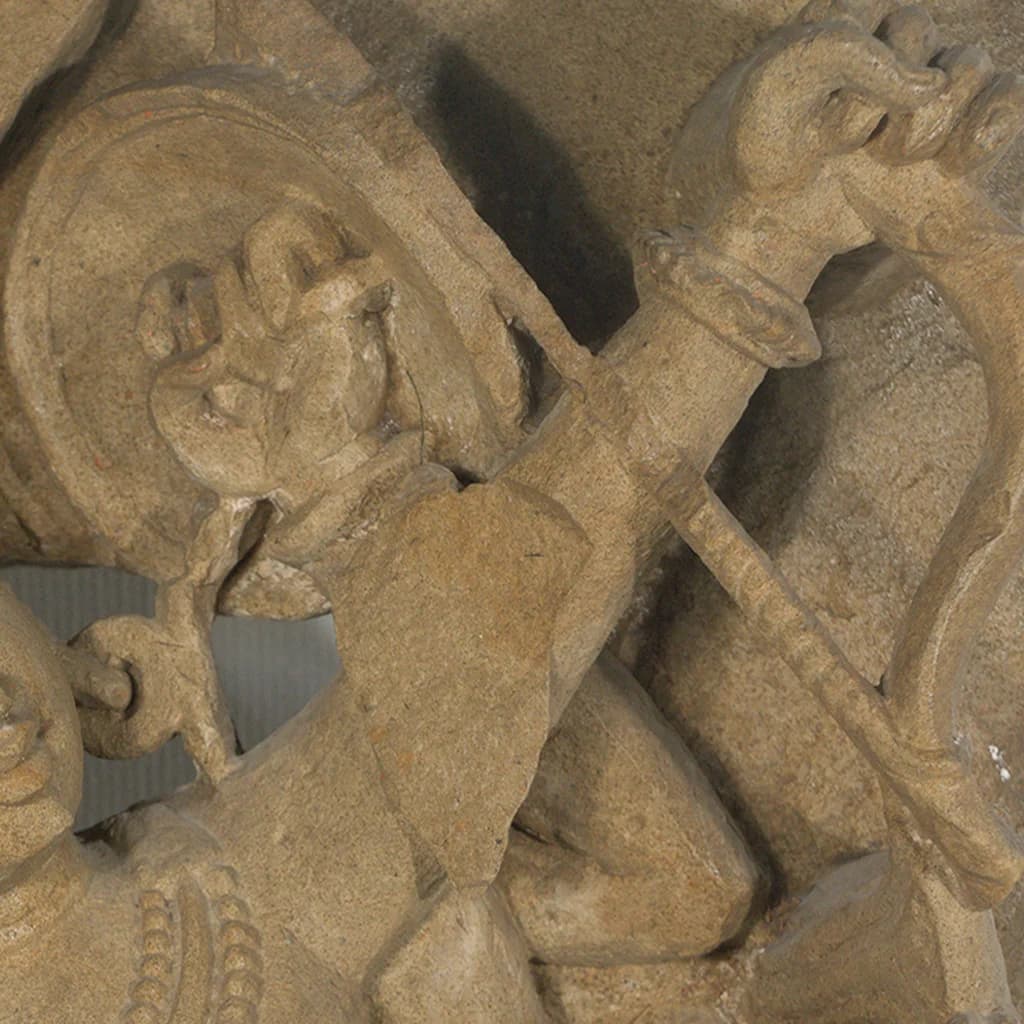
- Tripuranataka Shiva
- Origin
- 10th Century A.D., Avara, Mandsaur
- Currently at
- Triveni Museum, Ujjain
About this piece
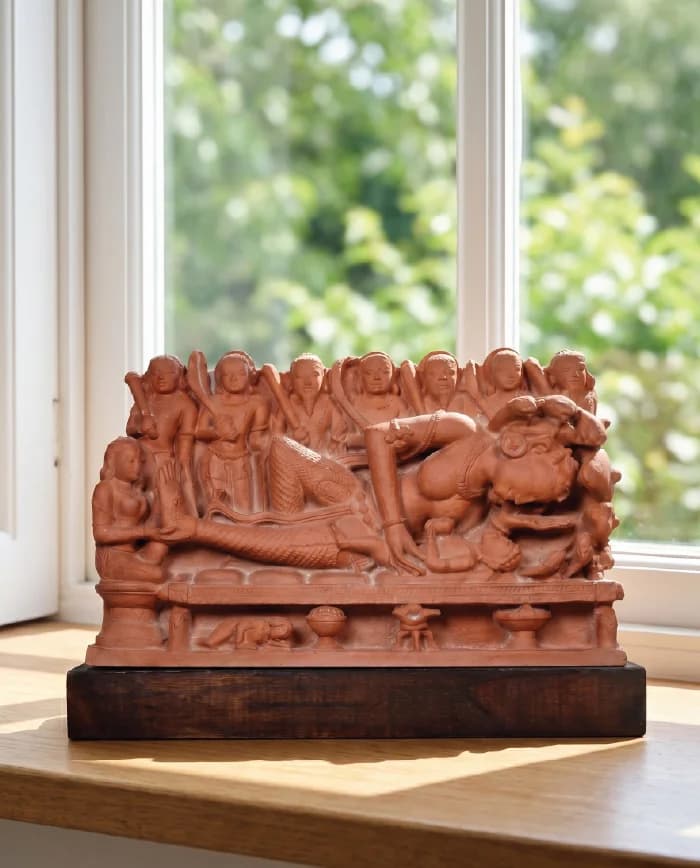
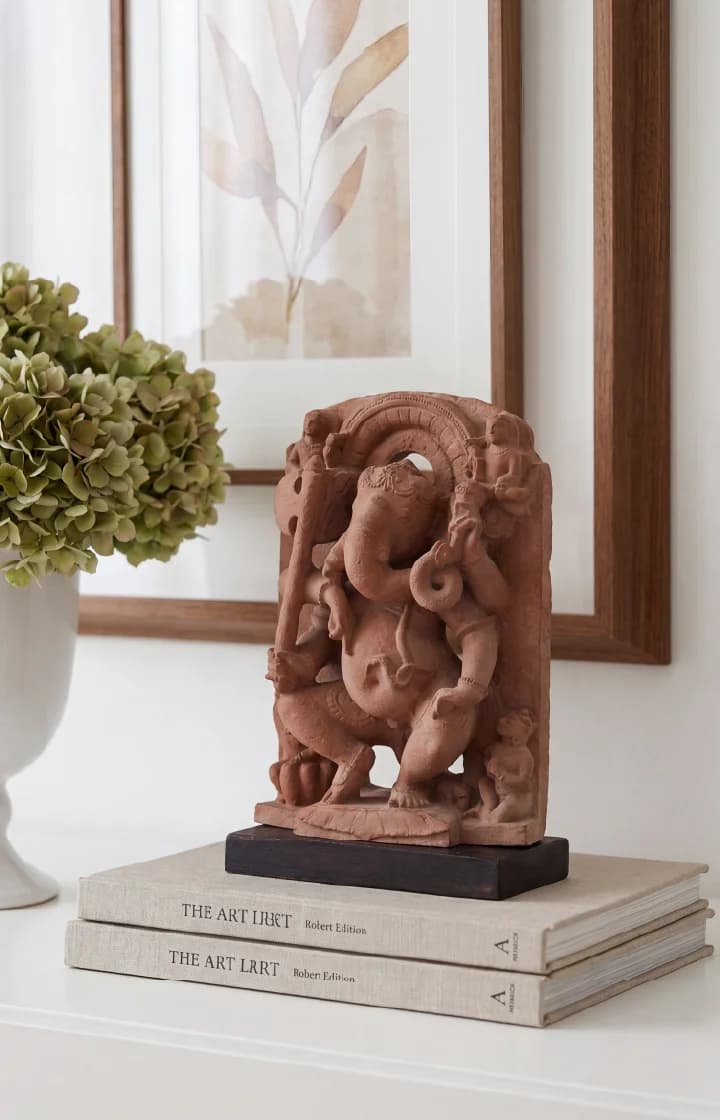
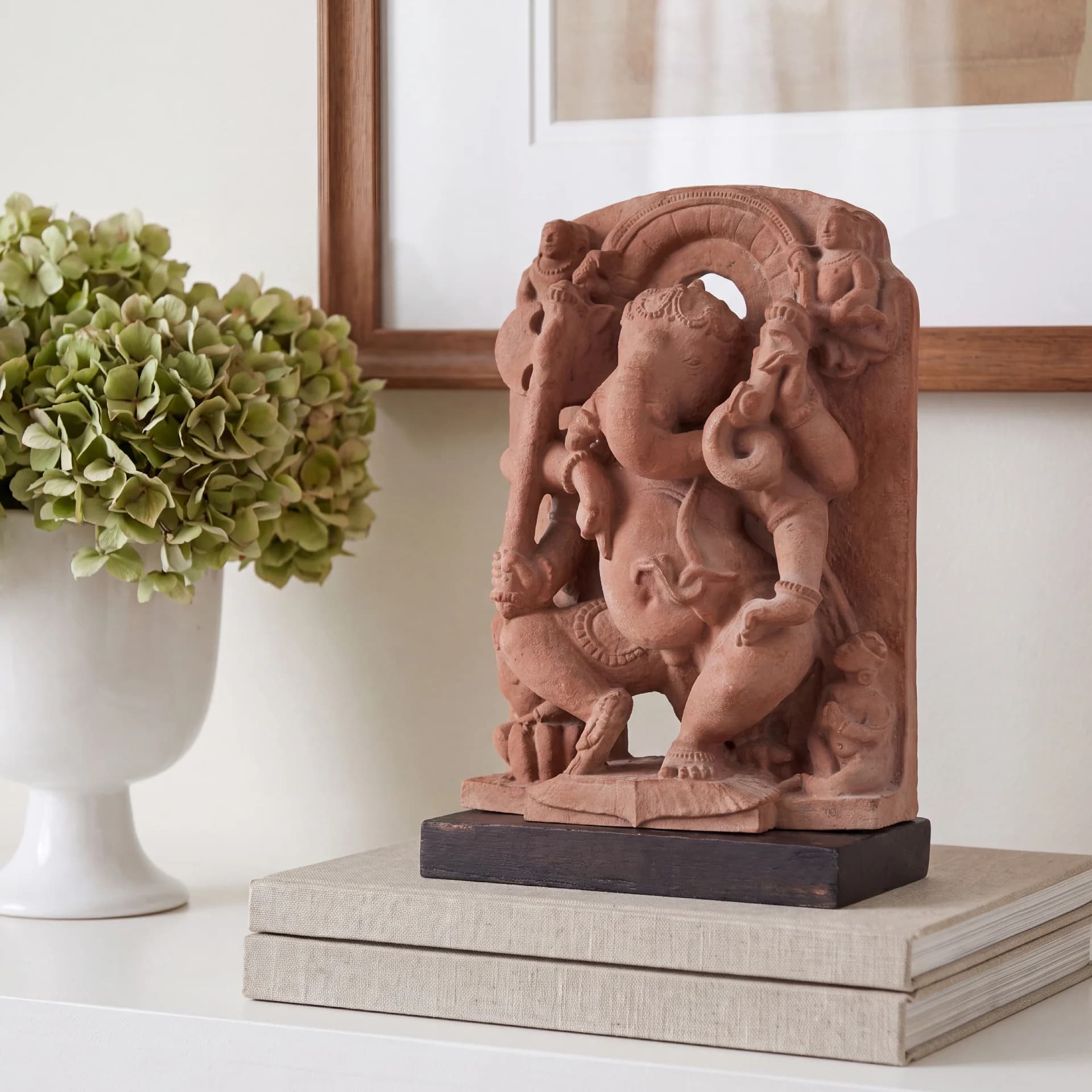
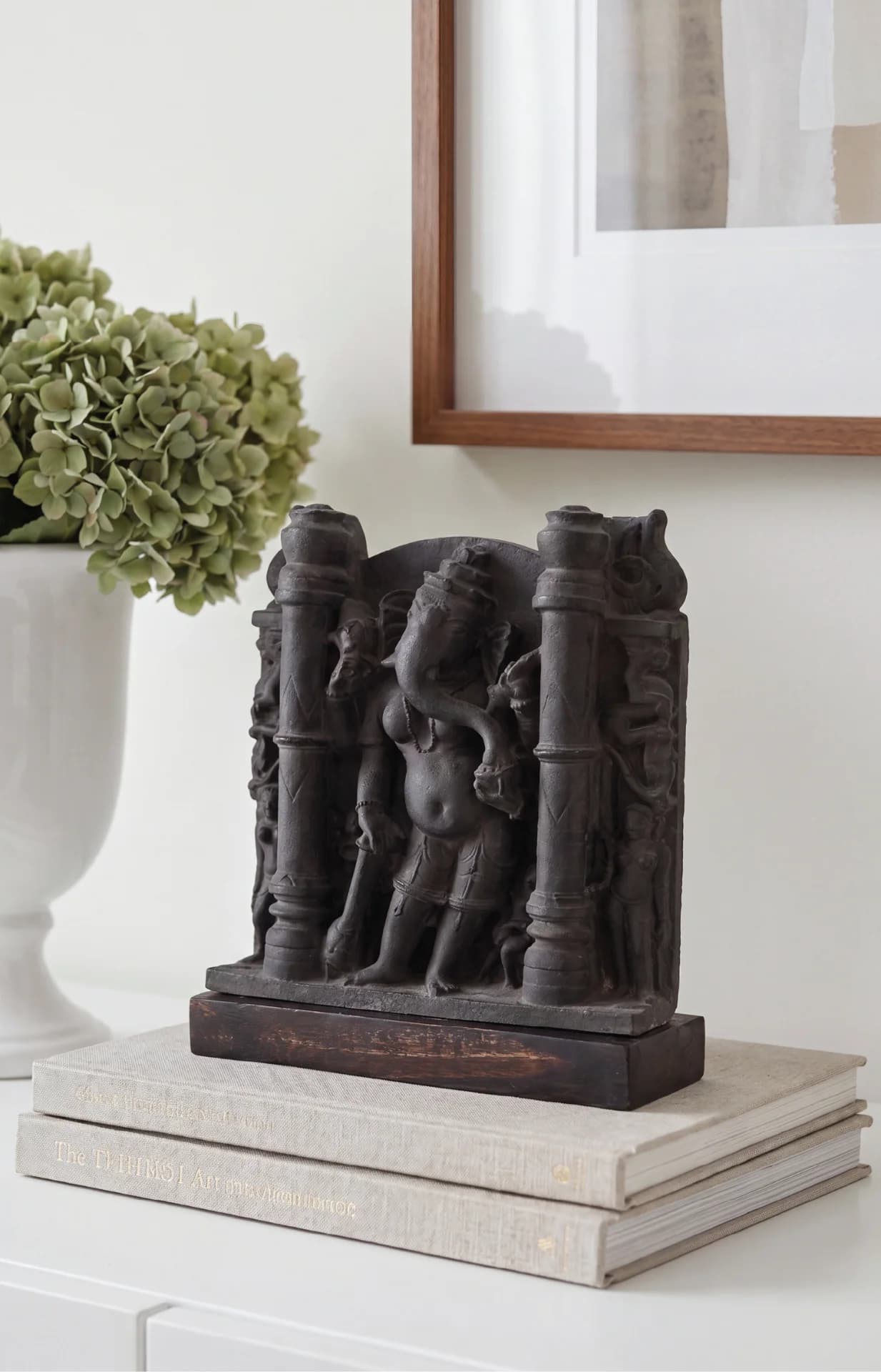
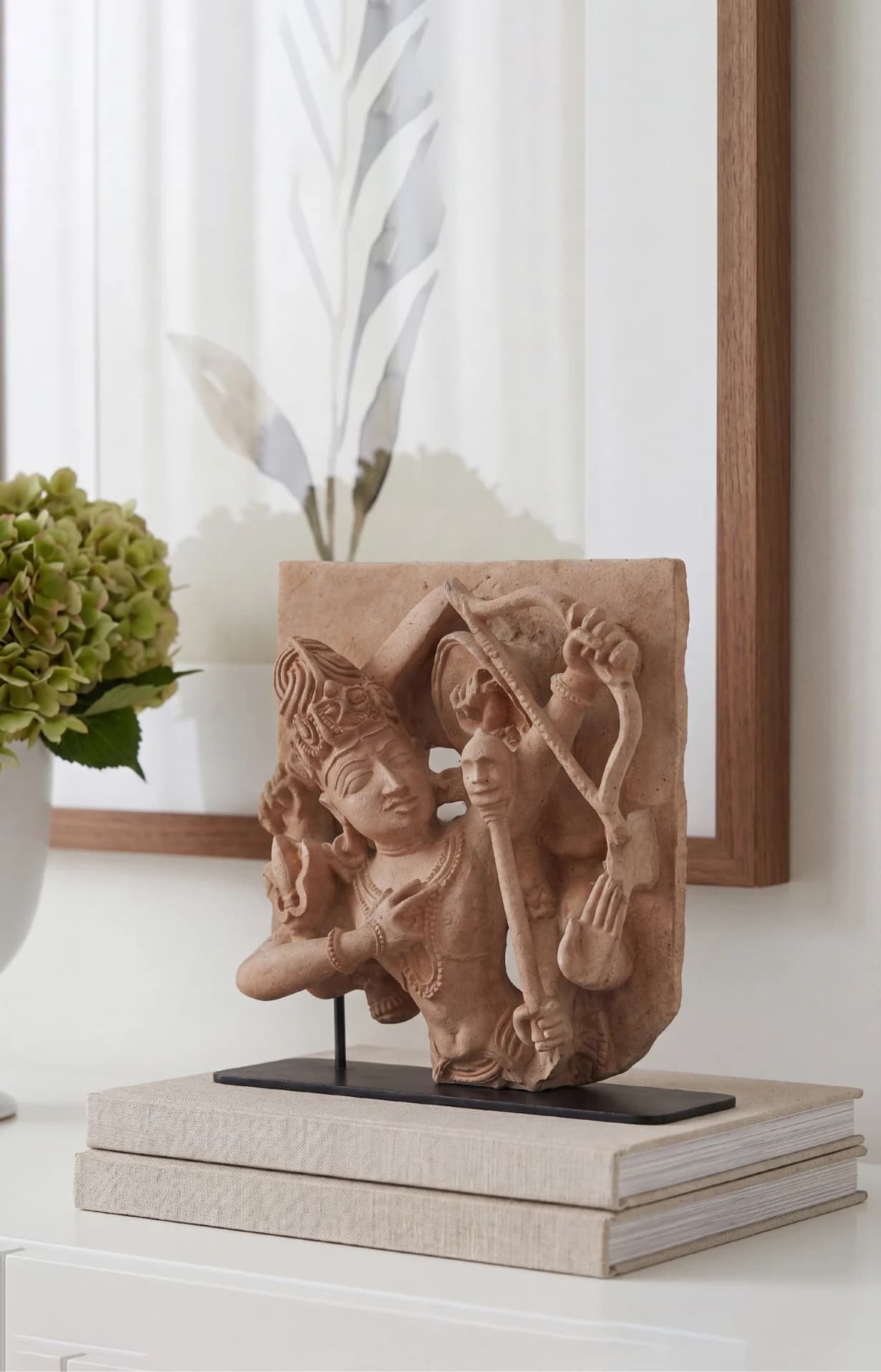
Tripurantaka is a powerful form of Lord Shiva. The name means "The Destroyer of the Three Cities." The story begins with three demon brothers – Tarakaksha, Kamalaksha, and Vidyunmali. They received a special boon from Lord Brahma, granting them three floating cities that were nearly indestructible. They built these three grand, flying cities, one in hell, the second on the earth and the third in heaven. These cities could only be destroyed if someone hit them with a single arrow at the exact moment they aligned in a straight line, which happened for just a split second once every thousand years. Blinded by this power, the demons grew arrogant and began troubling the entire universe. To help Lord Shiva defeat them, all the cosmic powers came together to build a magnificent chariot and weapon. The Earth itself became the body of the chariot, the Sun and the Moon became its wheels, and Lord Brahma took the role of the charioteer. The mighty Mount Meru was used as his bow, the giant serpent Vasuki became the bowstring, and Fire became the tip of the arrow. When the three flying cities finally aligned in the sky, Lord Shiva pulled back his bow string and released the single, divine arrow. In an instant, the arrow turned the cities and all their negativity into ashes. Because of this great victory, Lord Shiva is also lovingly called "Tripurari". This beautiful sandstone sculpture, is a replica of a historic 10th-century artwork originally found in Avara, Mandsaur. While the original ancient masterpiece is safely preserved in the Triveni Museum, Ujjain, this piece brings a part of that grand Indian heritage right into your home.
Reviews
Smriti
Verified Purchase
about 1 month ago
Product was packed well and it's as good as it's mentioned in the website. Looking out for more new devotional products from the team.
Smriti
Verified Purchase
about 1 month ago
Product was packed well and it's as good as it's mentioned in the website. Looking out for more new devotional products from the team.