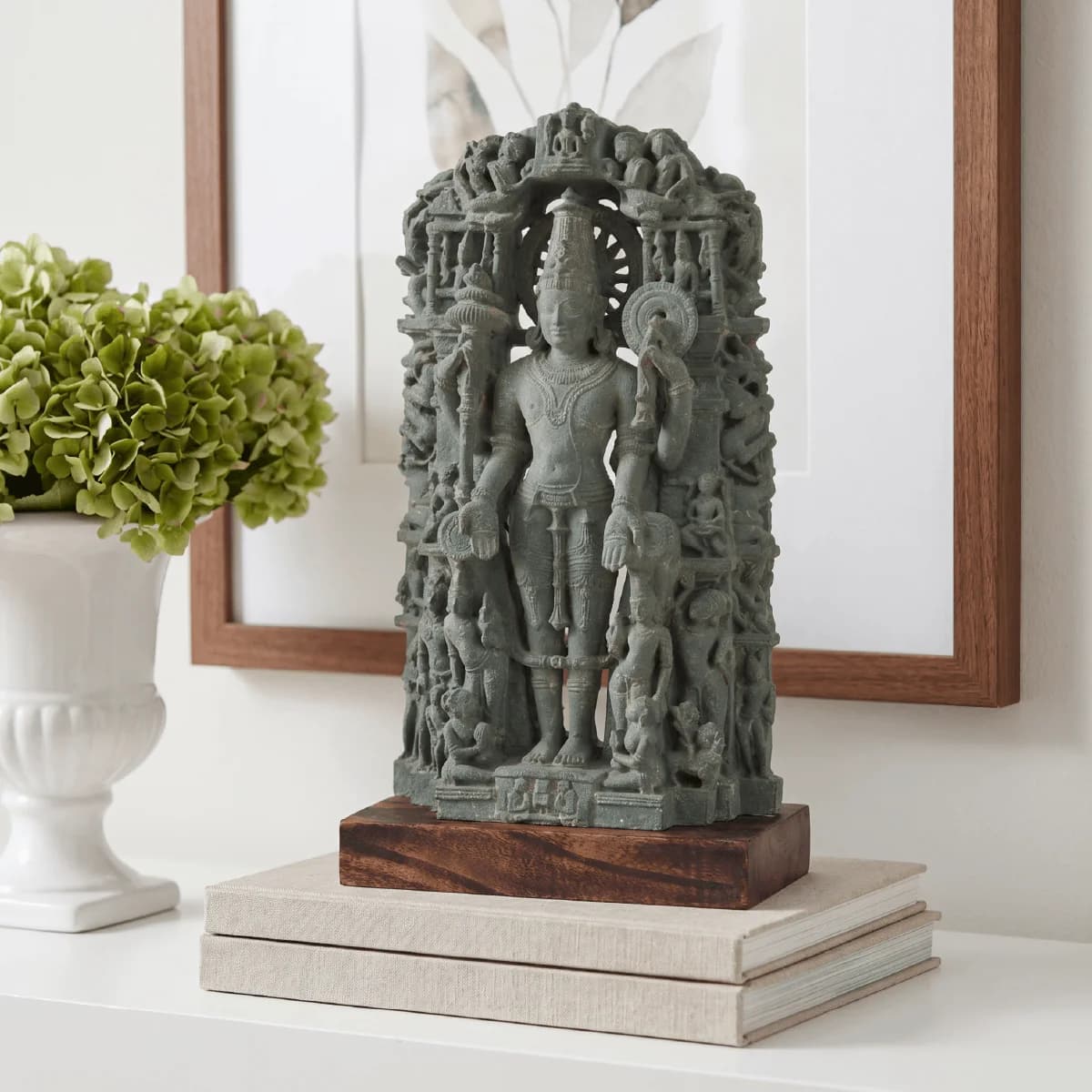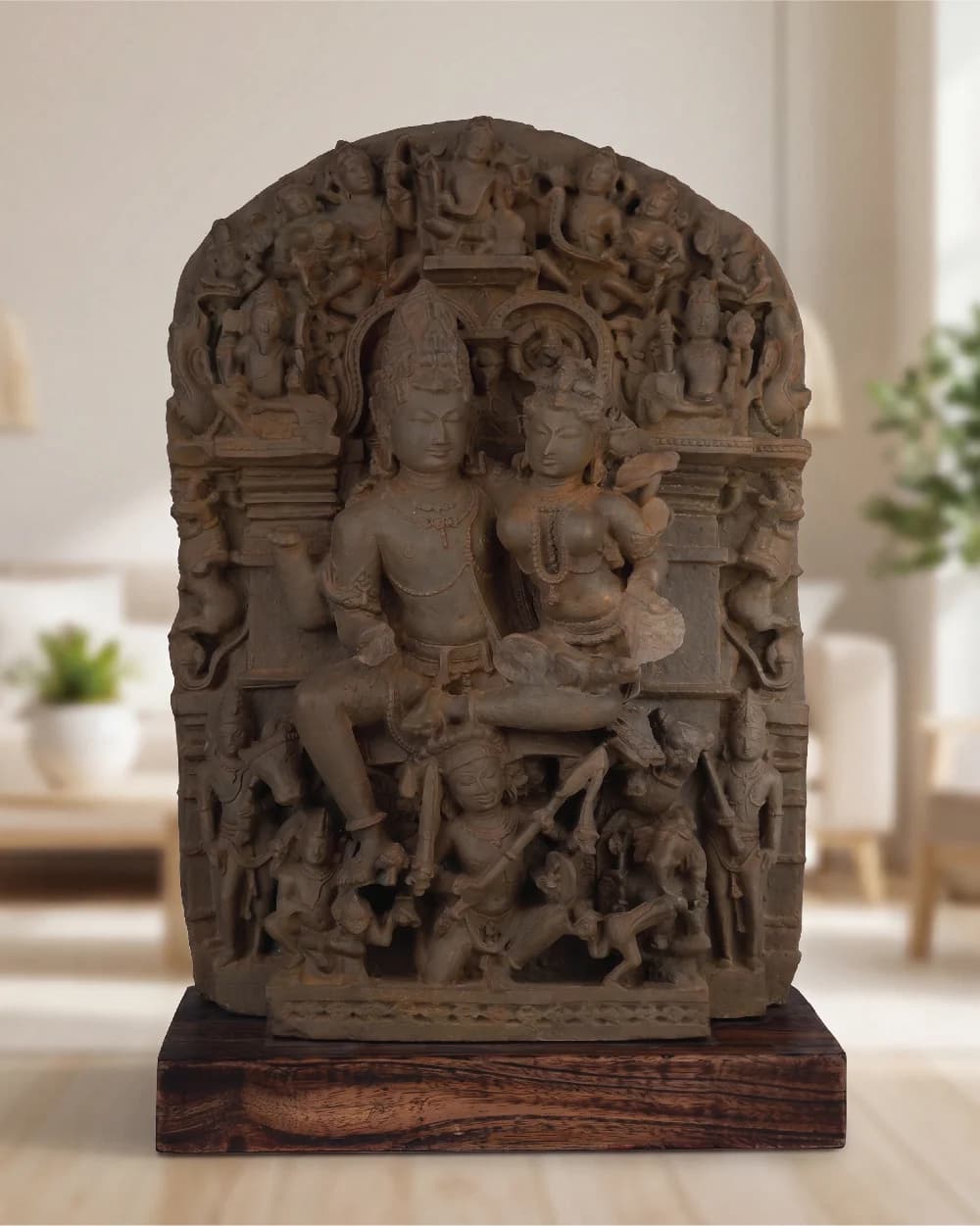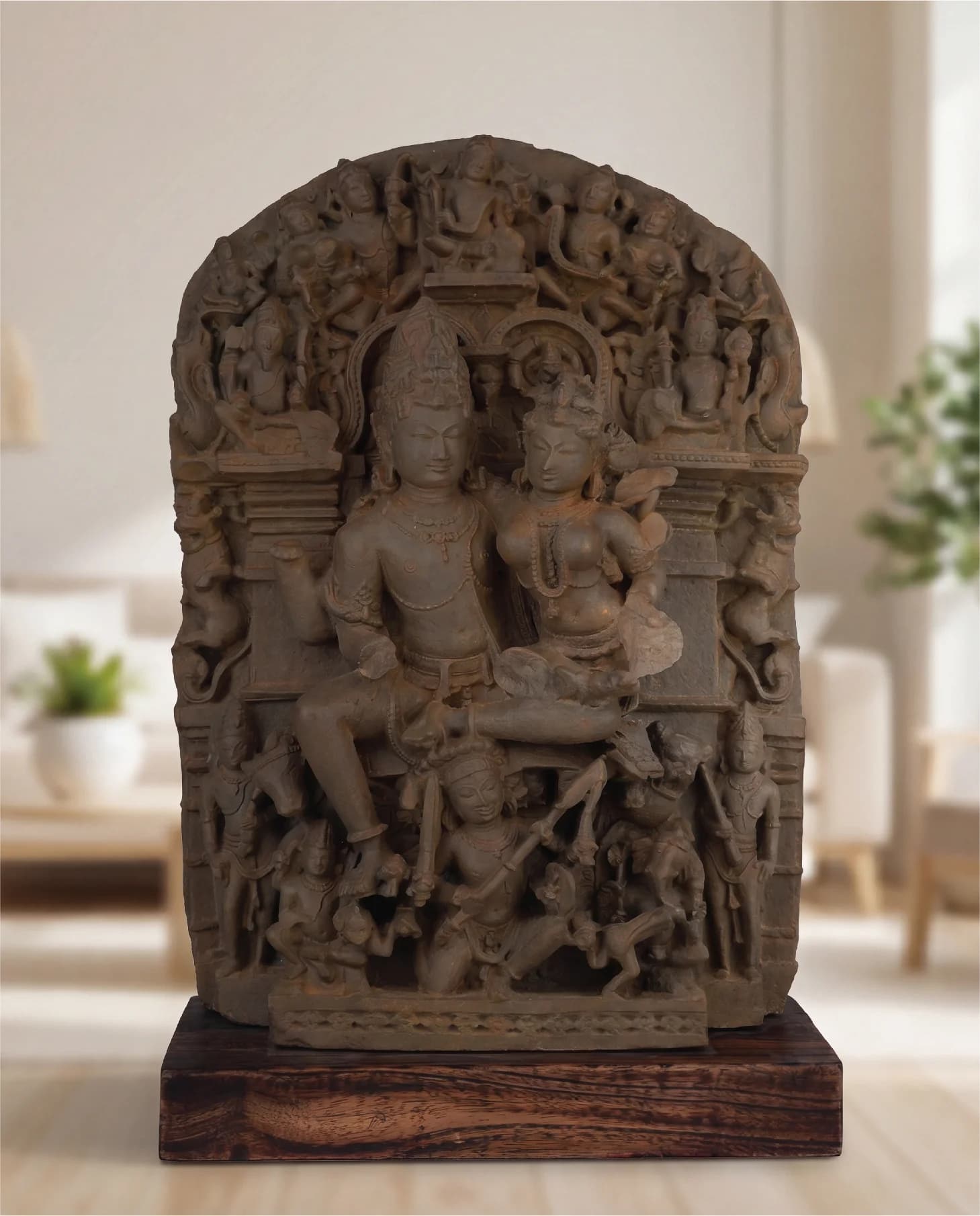
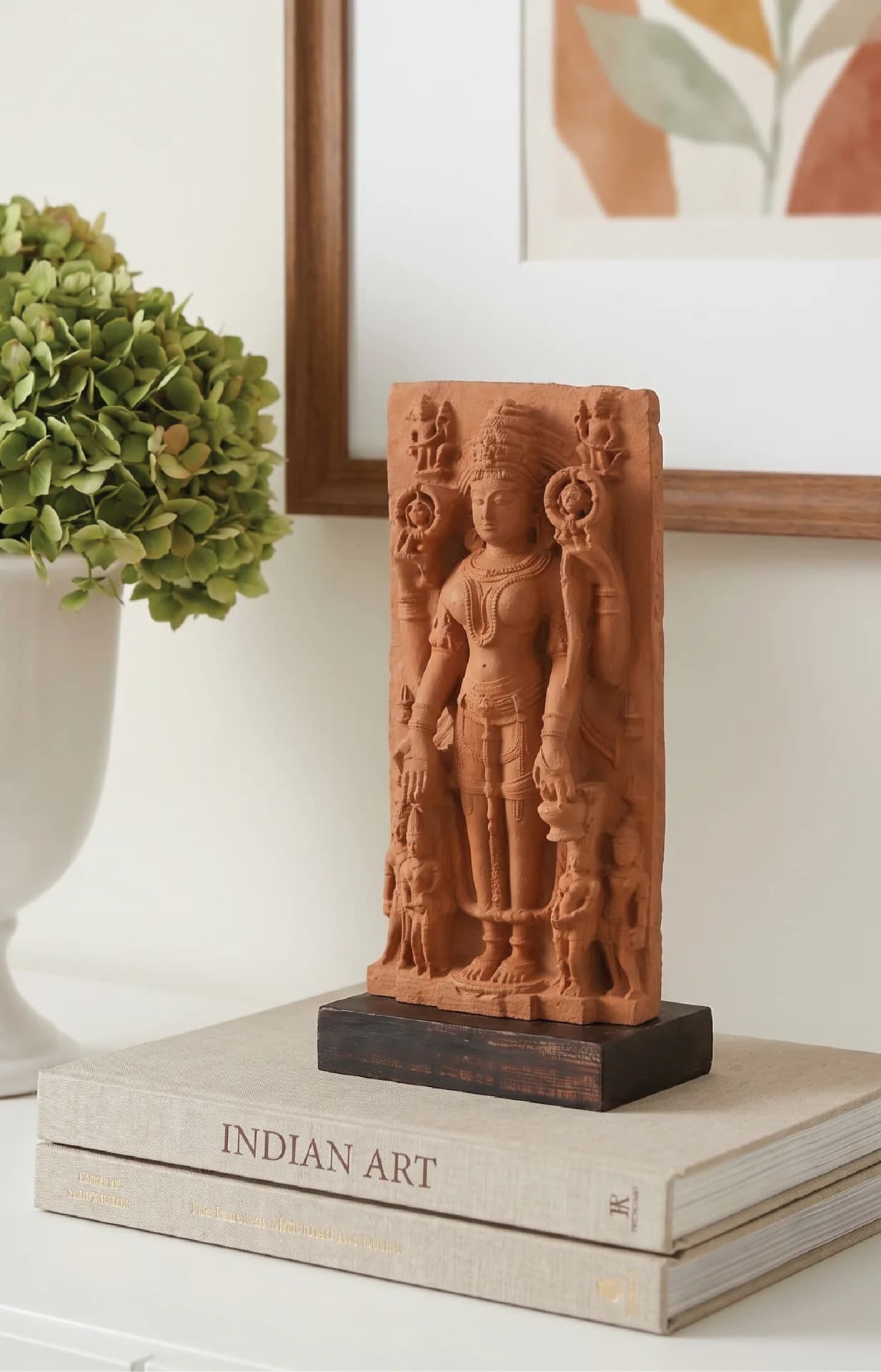


- Name
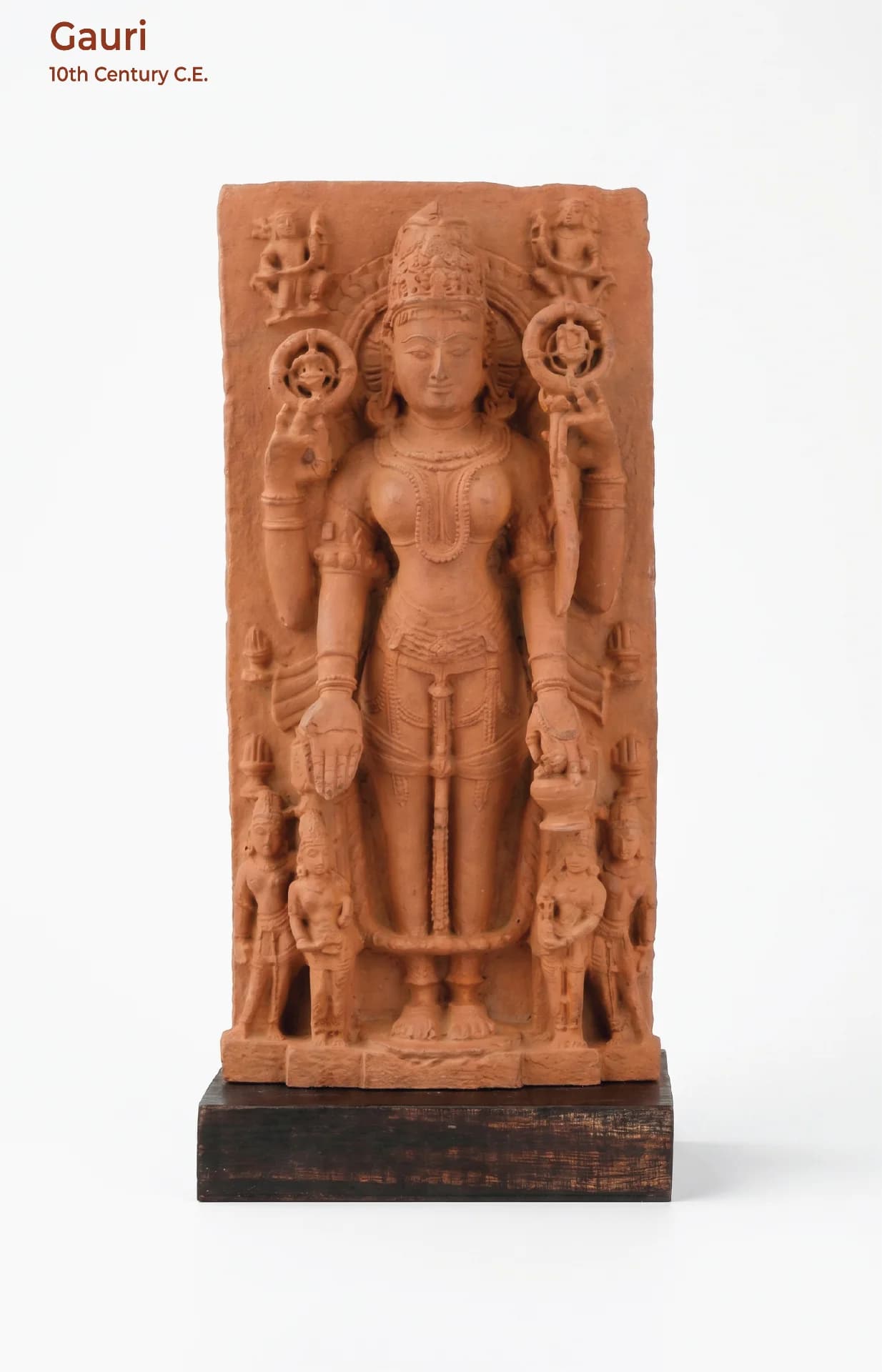
- Gauri
- Origin
- 10th Century C.E., Bhanpura (Mandsaur Distt.)
- Currently at
- State Museum Bhopal
About this piece
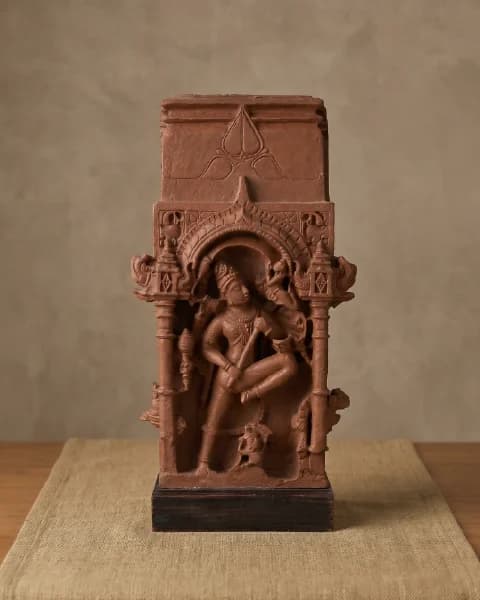
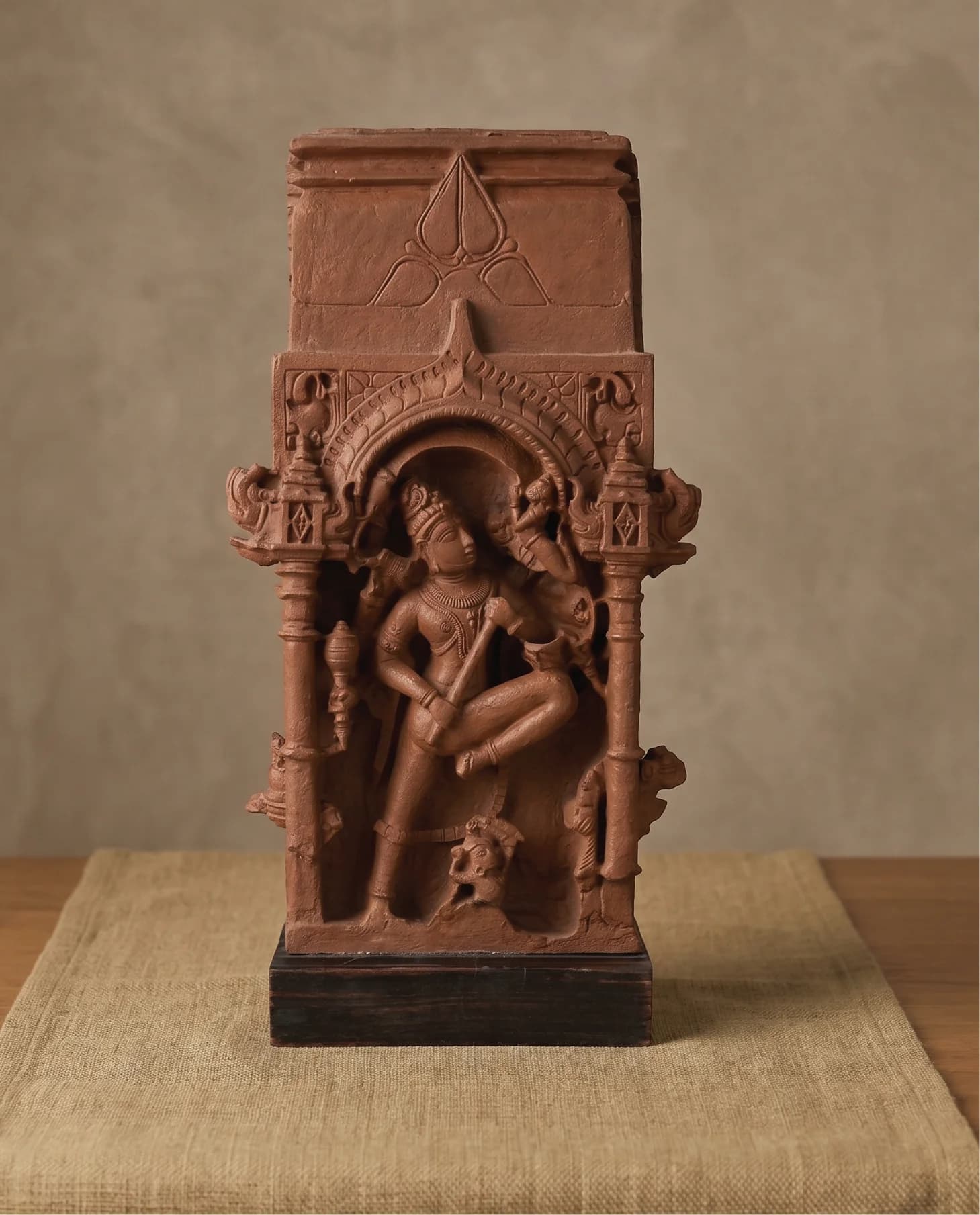
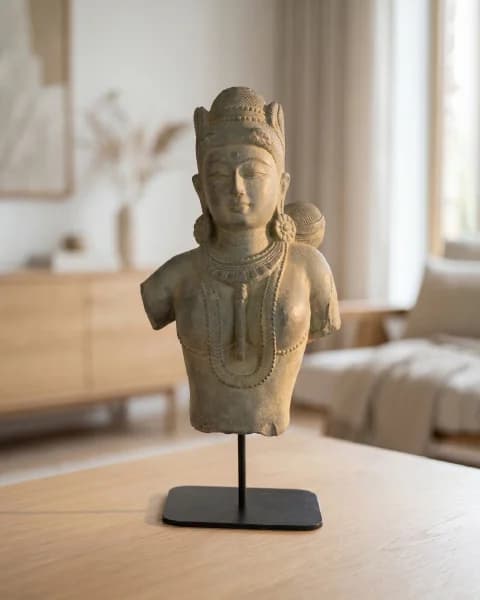
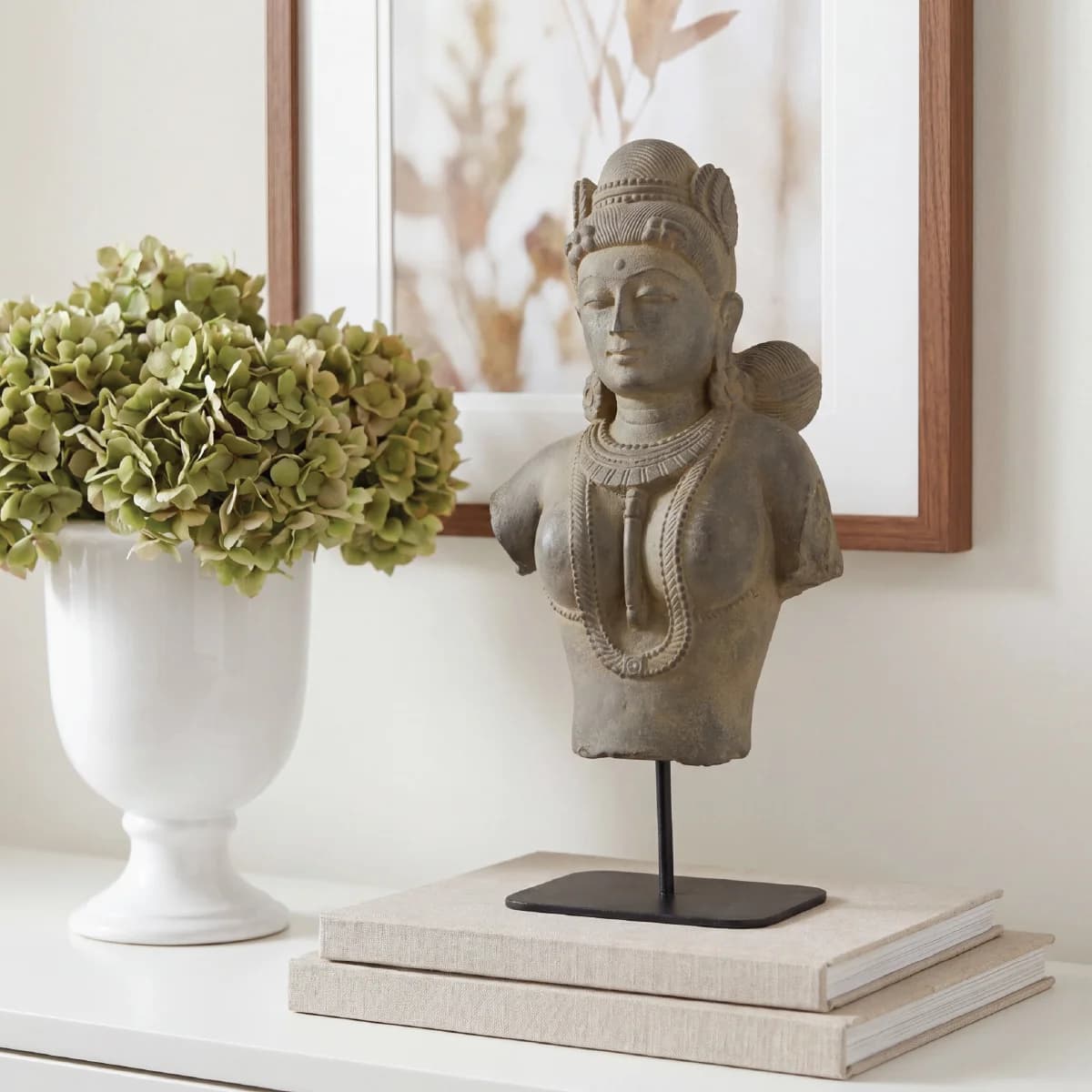
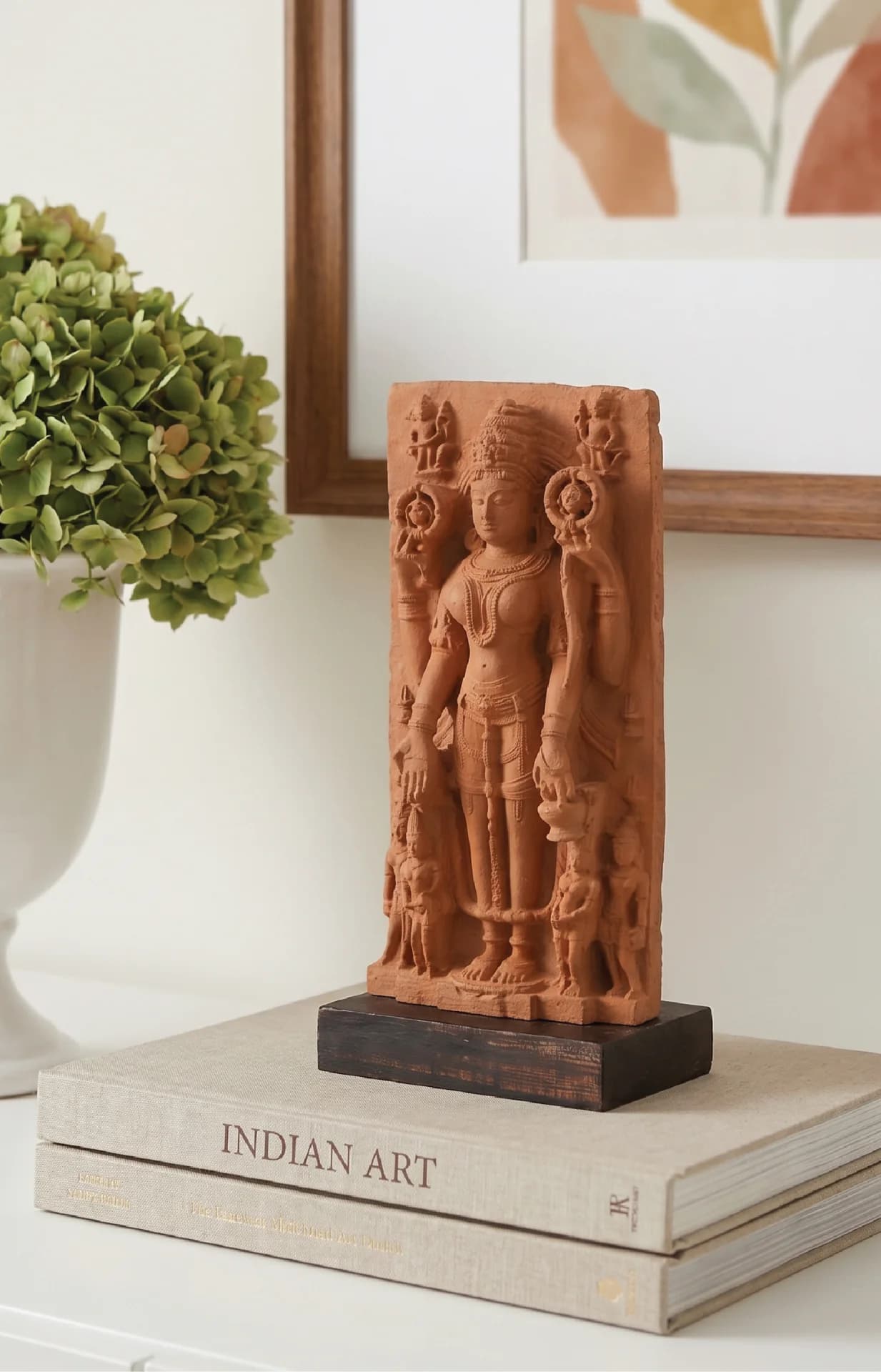
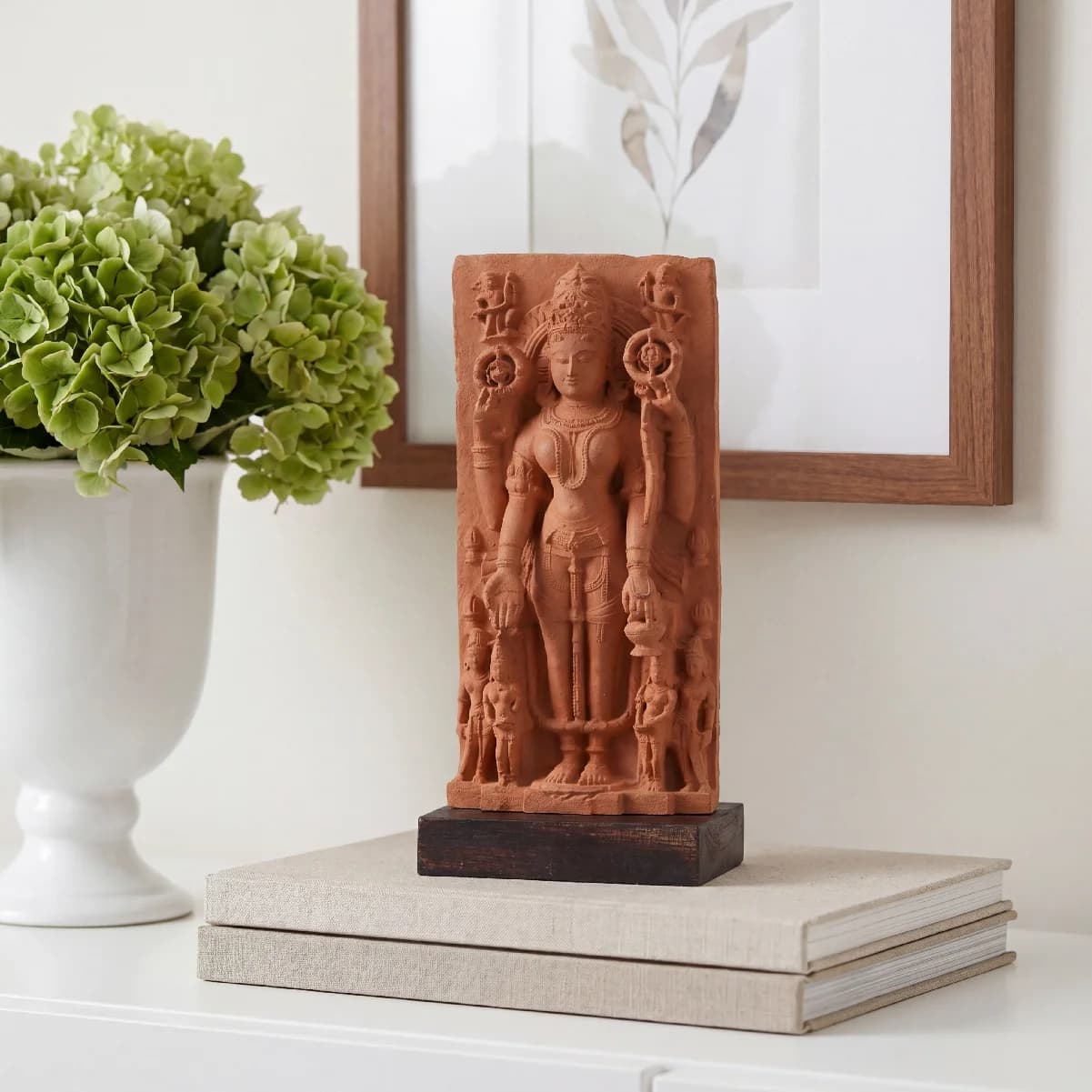
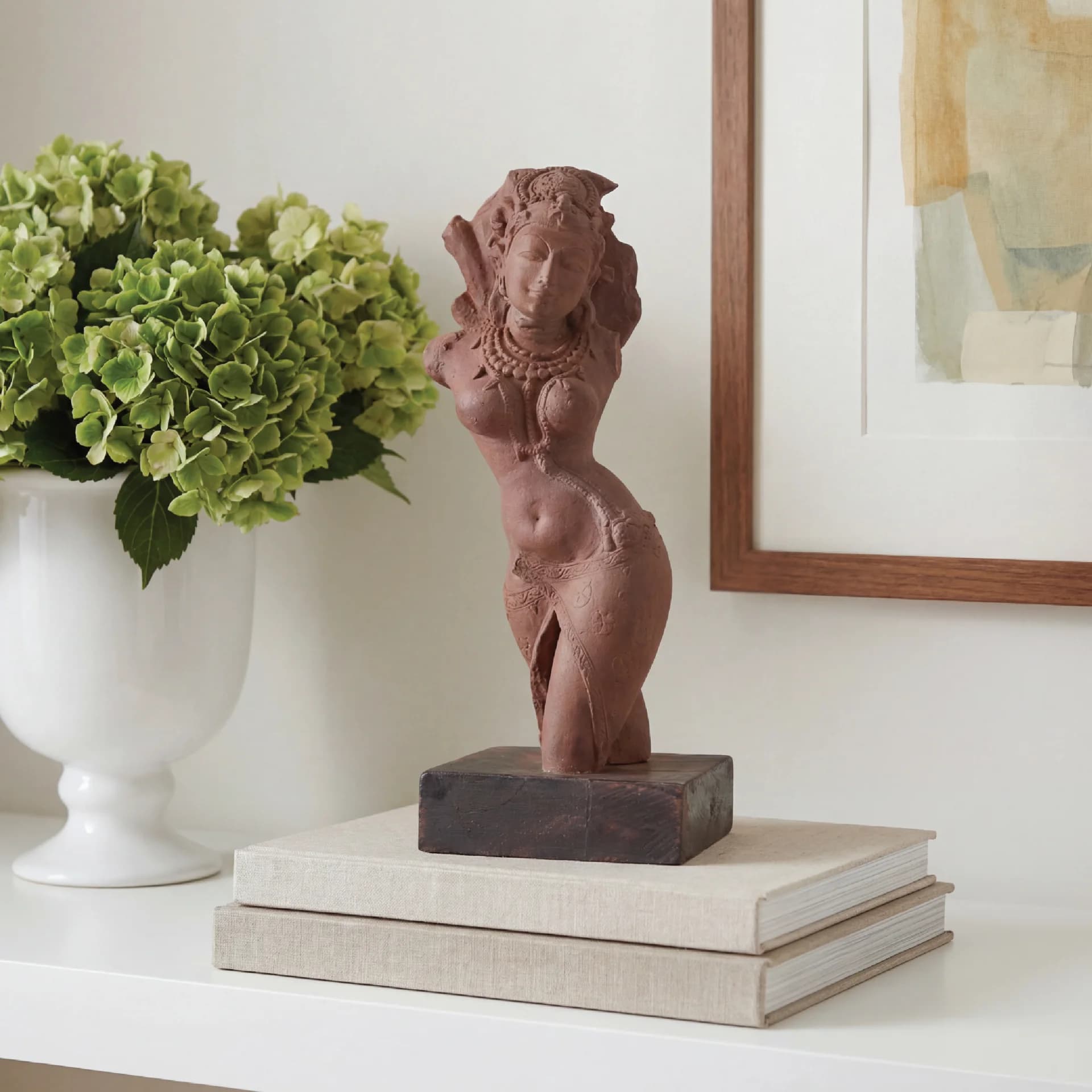
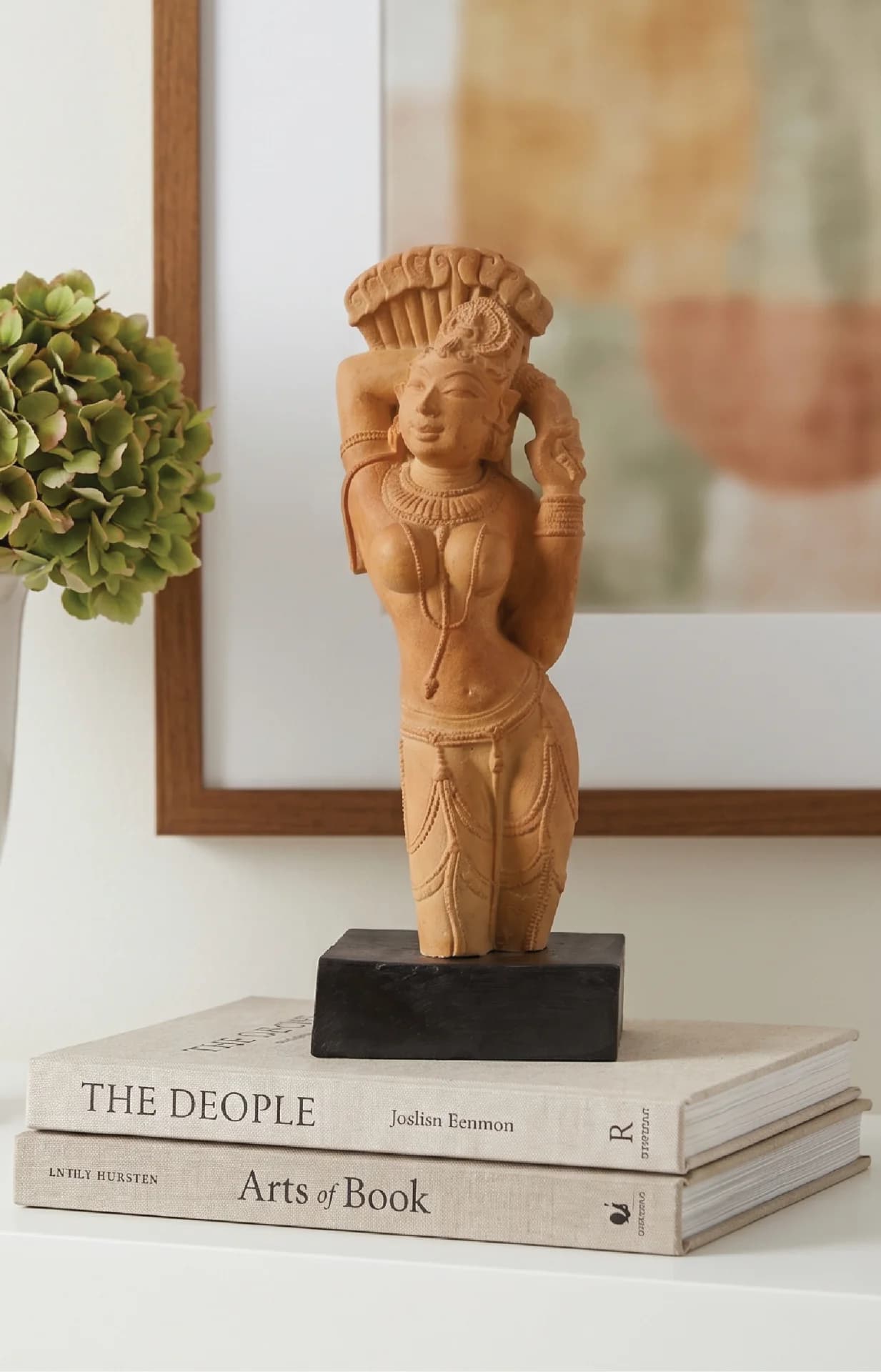
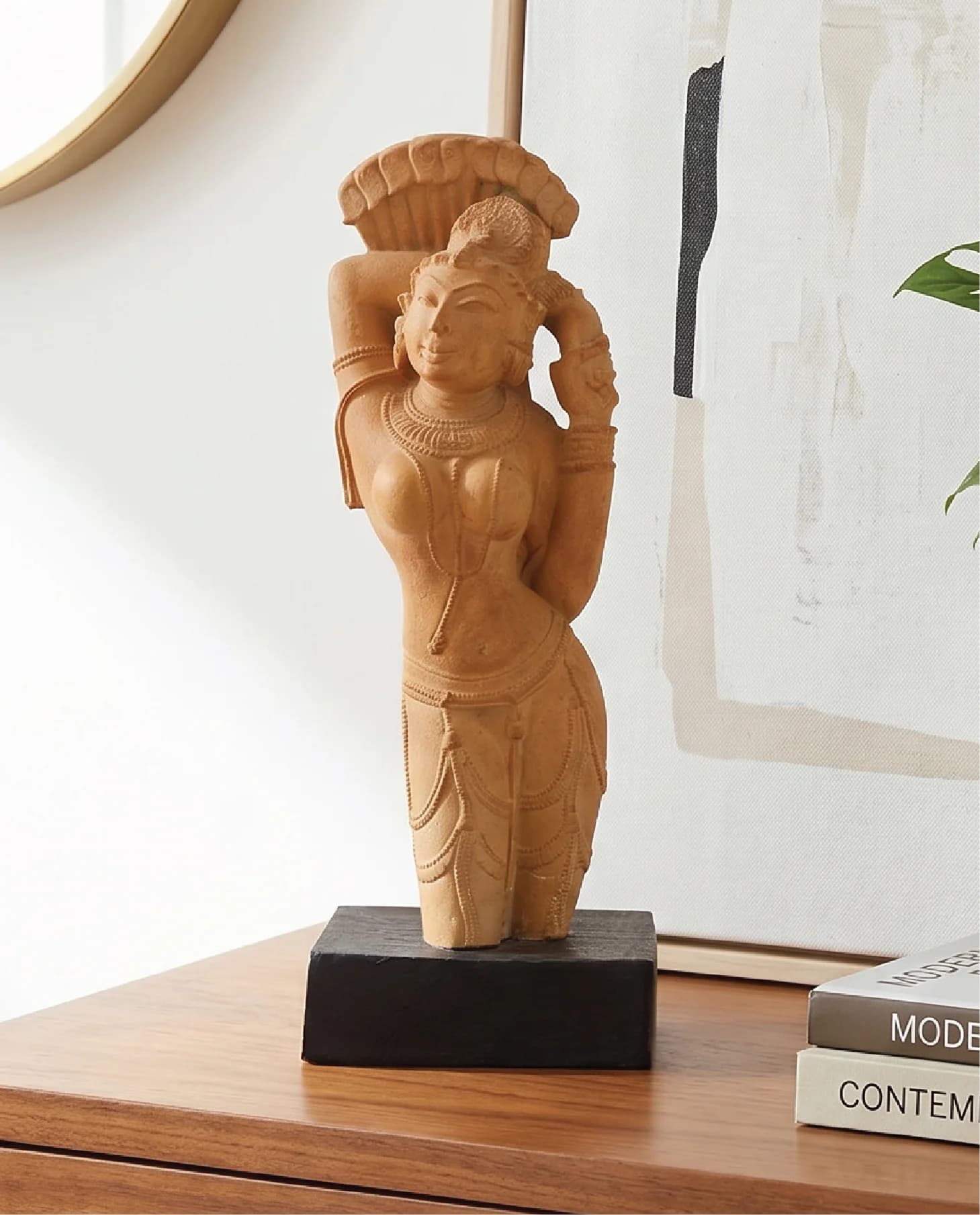
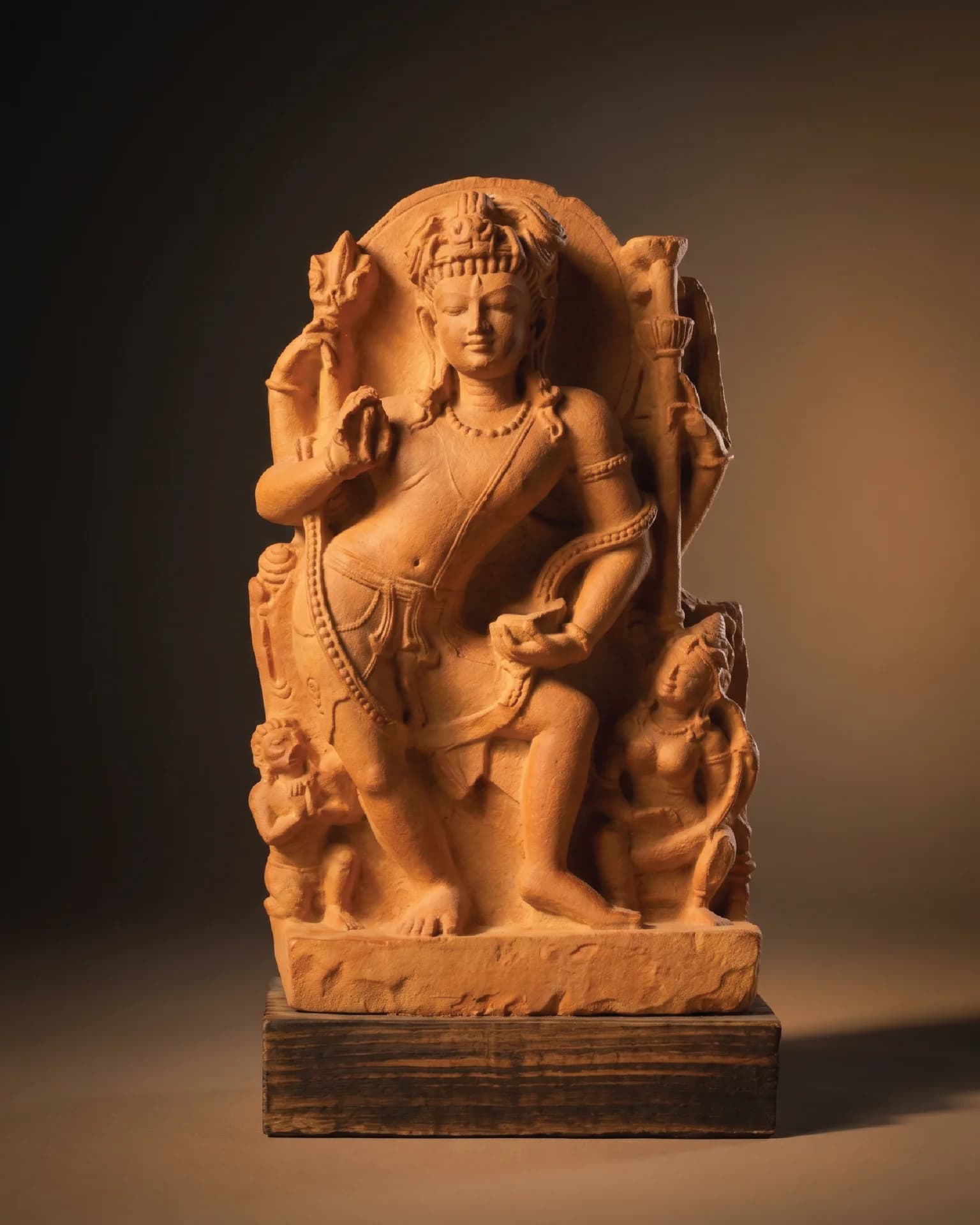
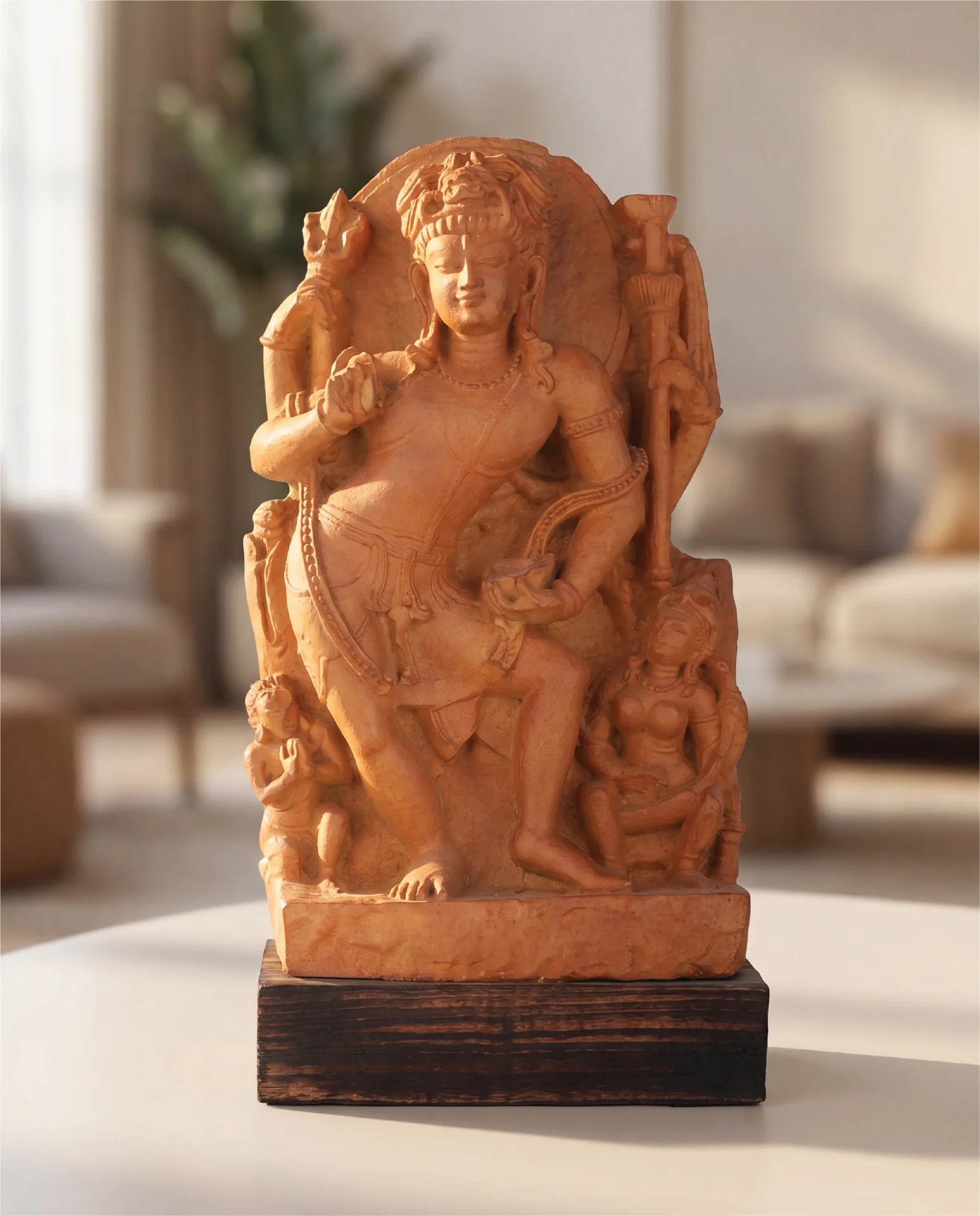
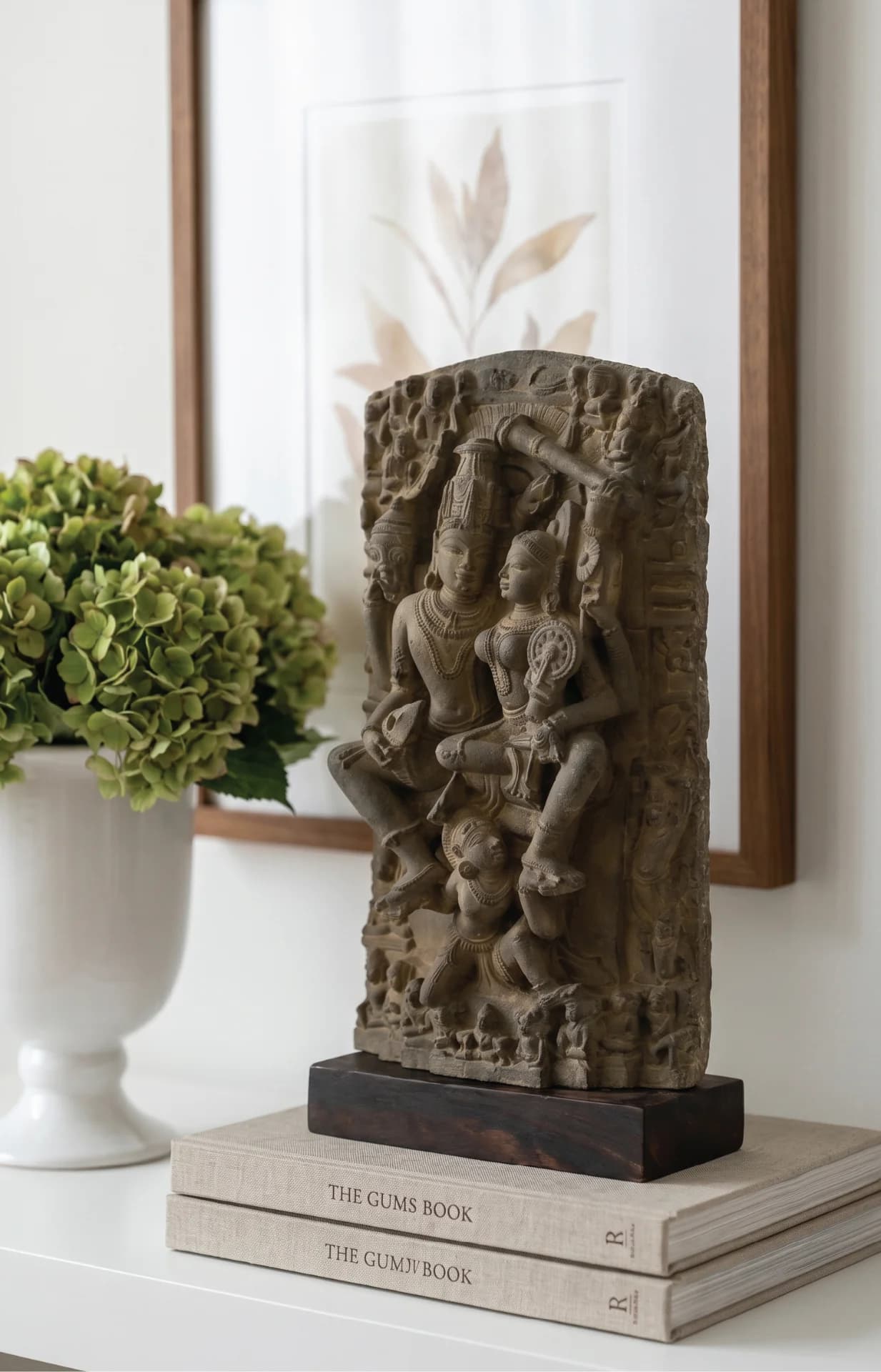
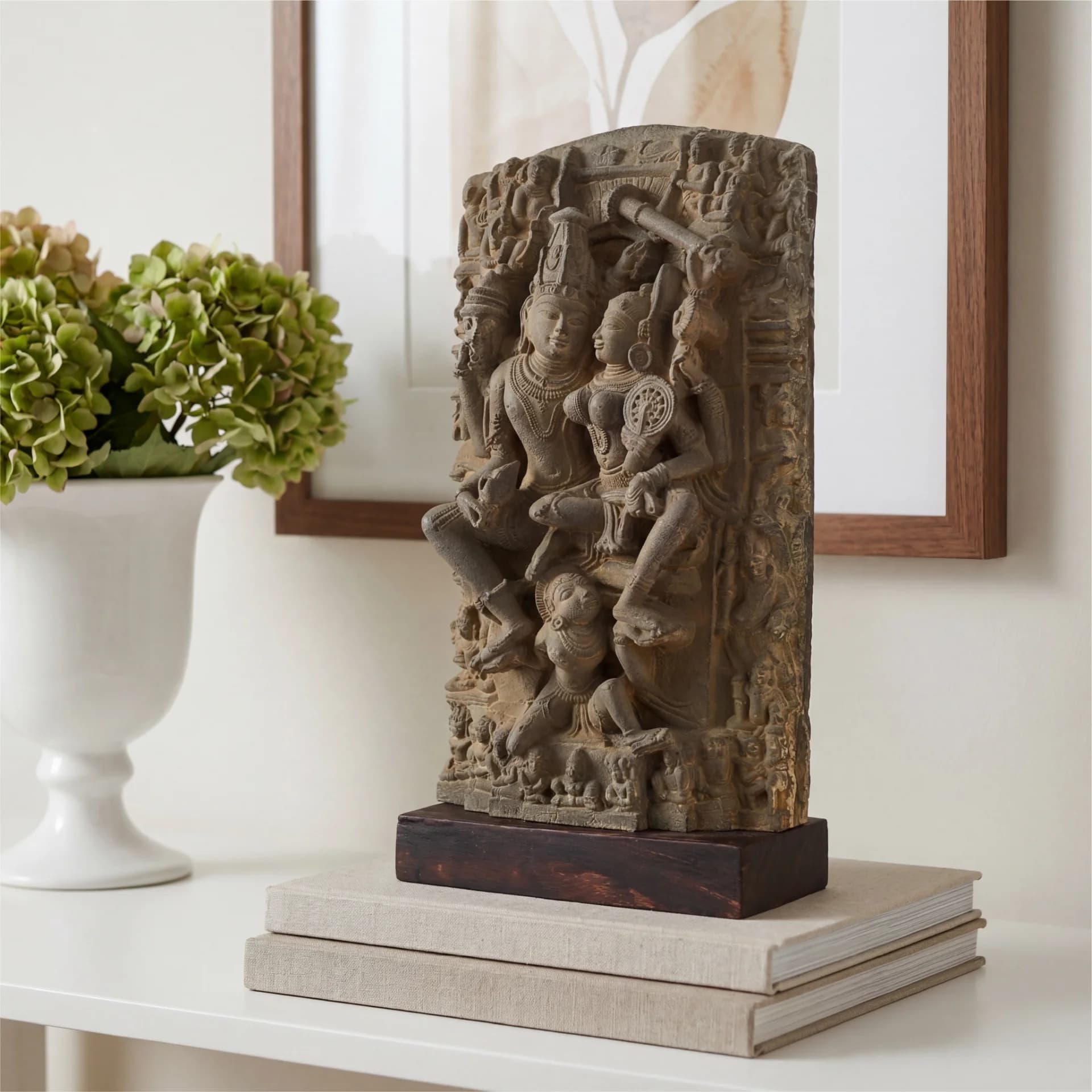
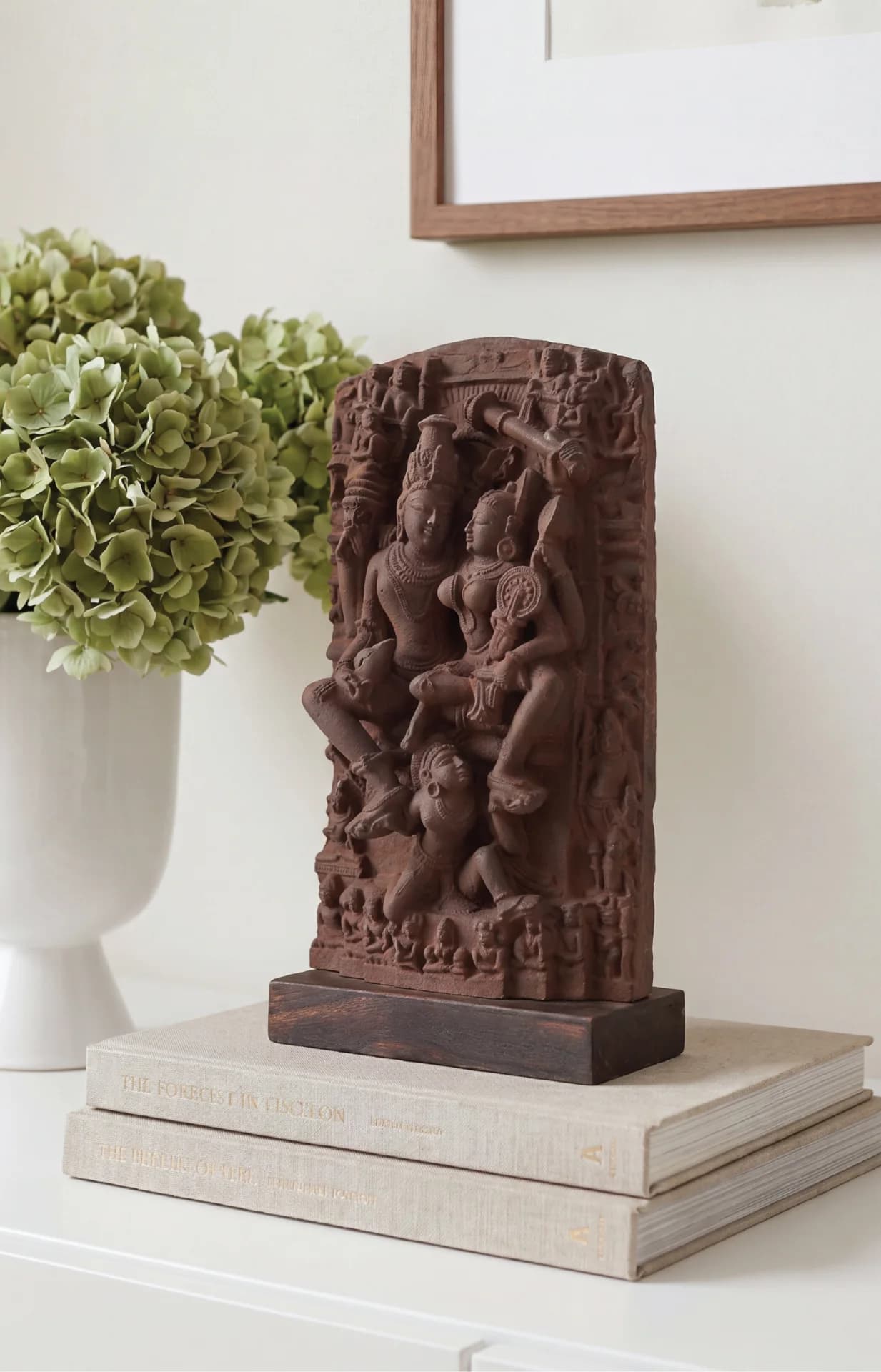
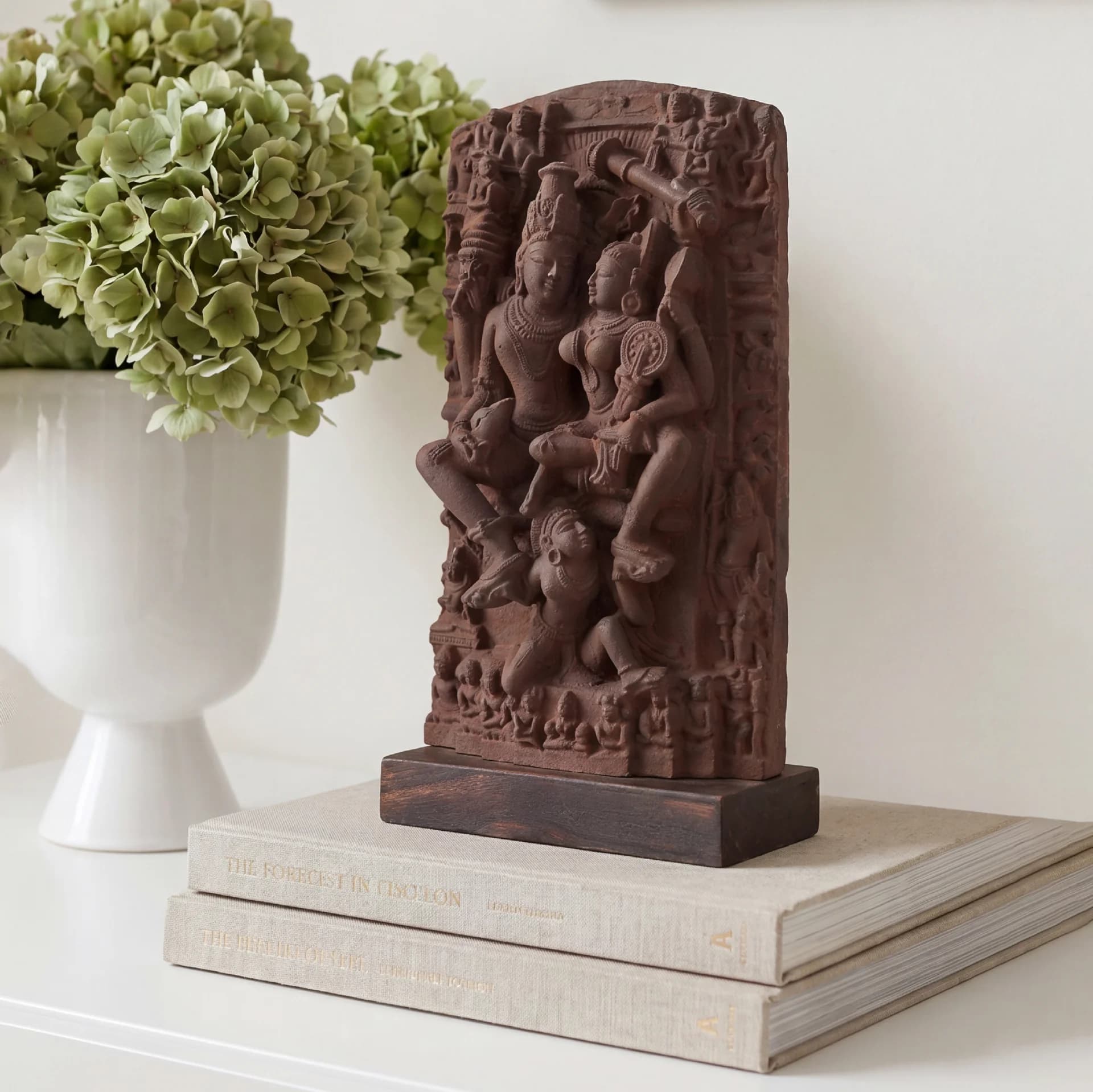
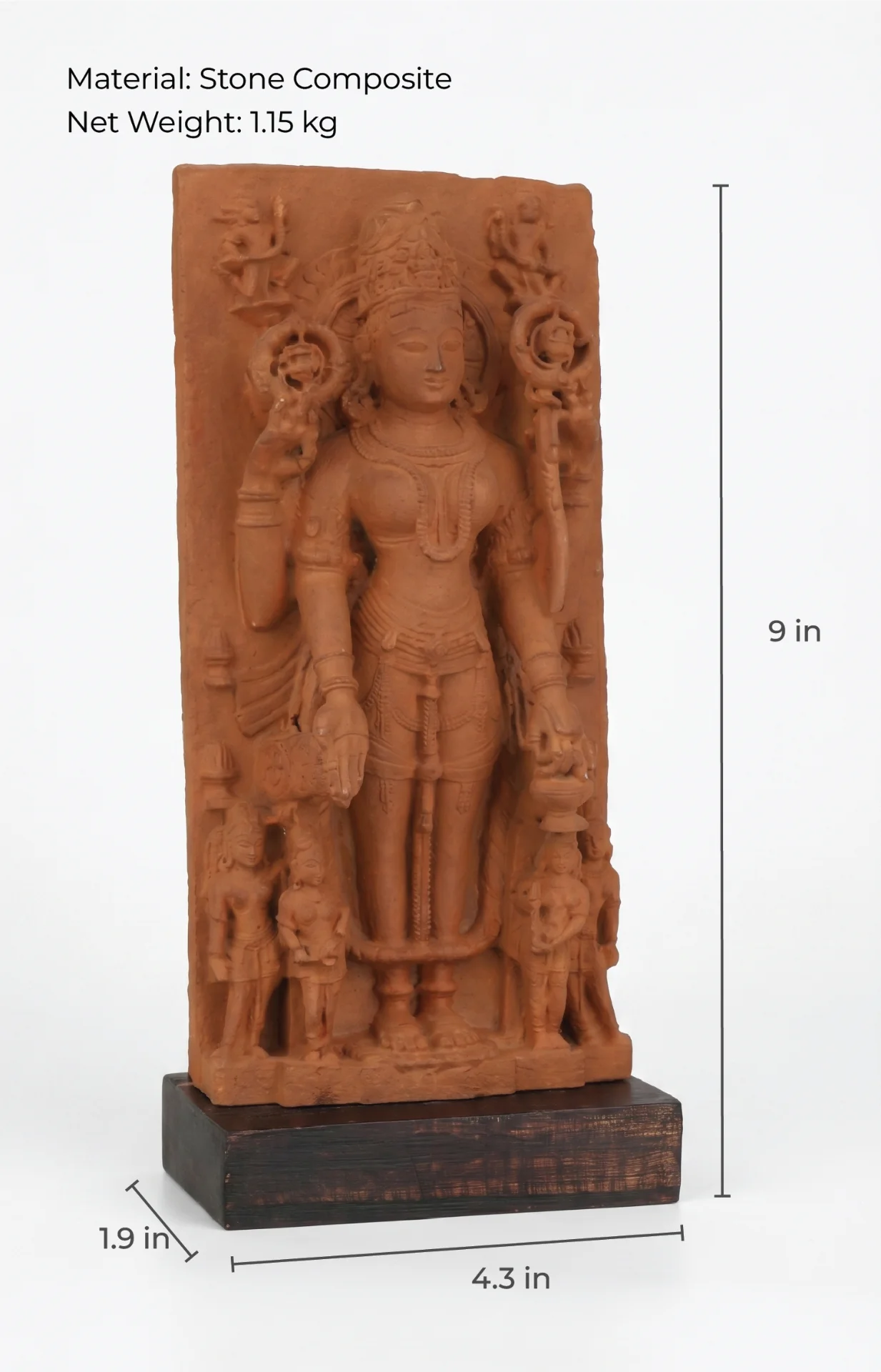
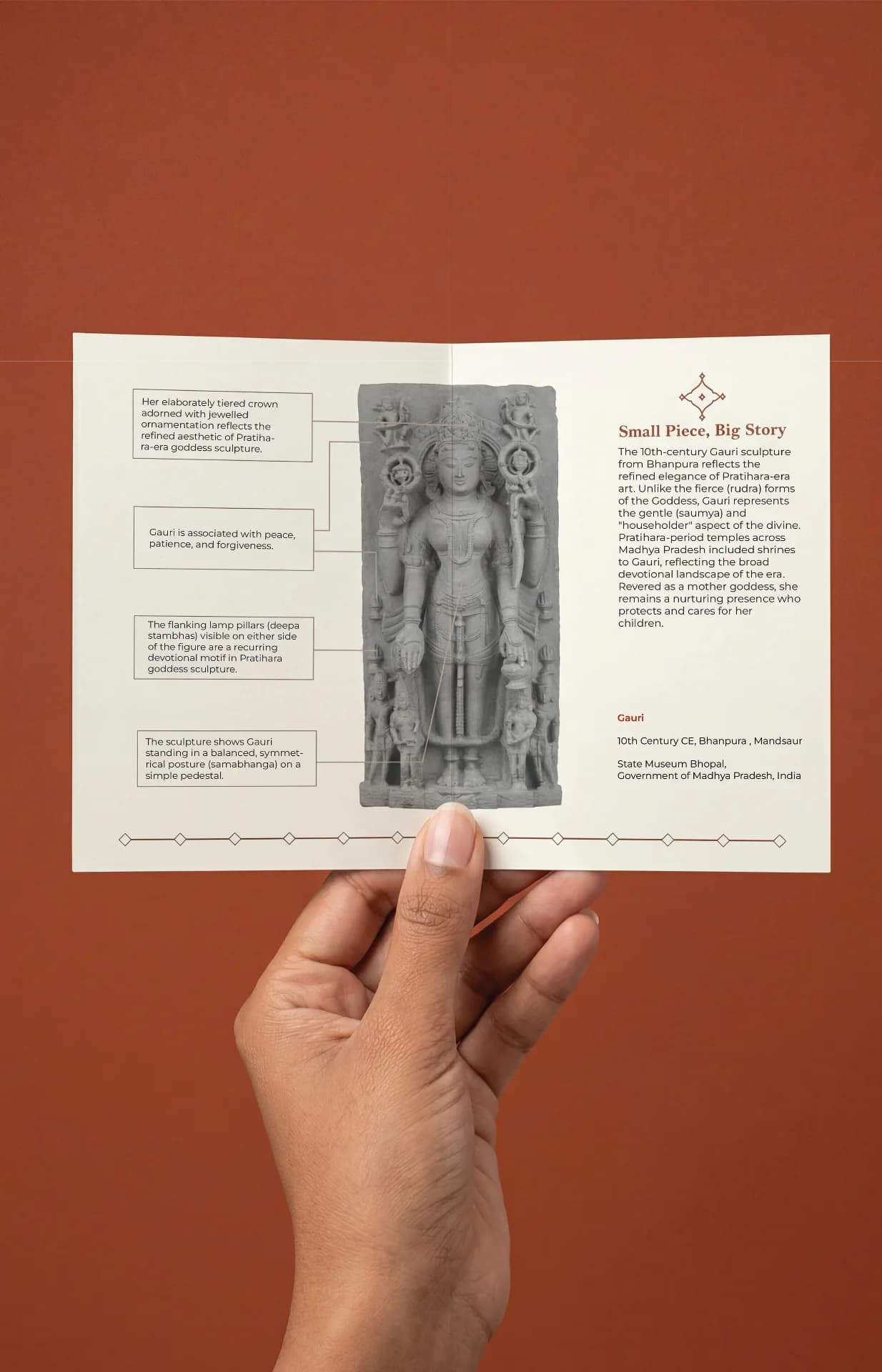
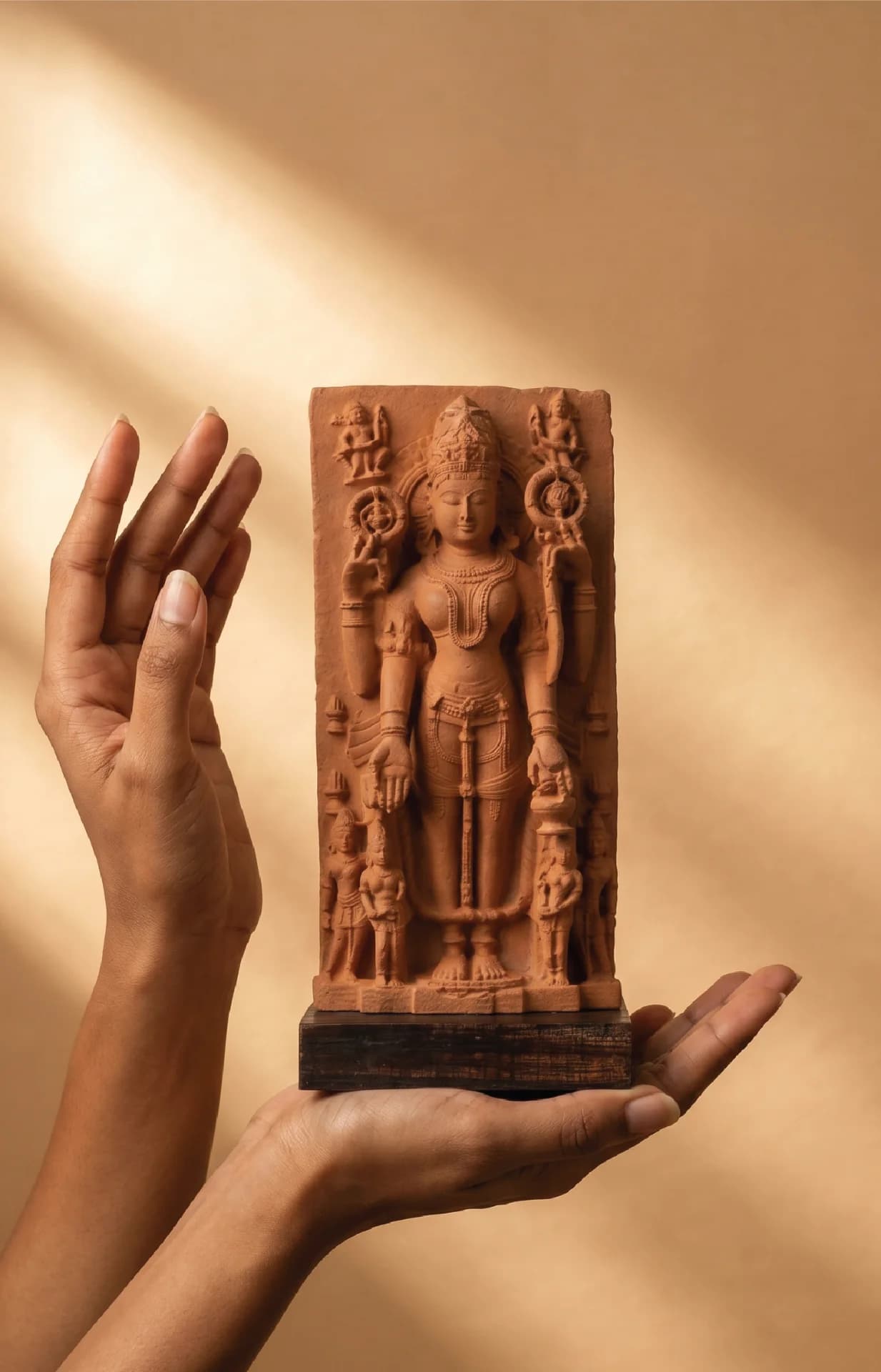
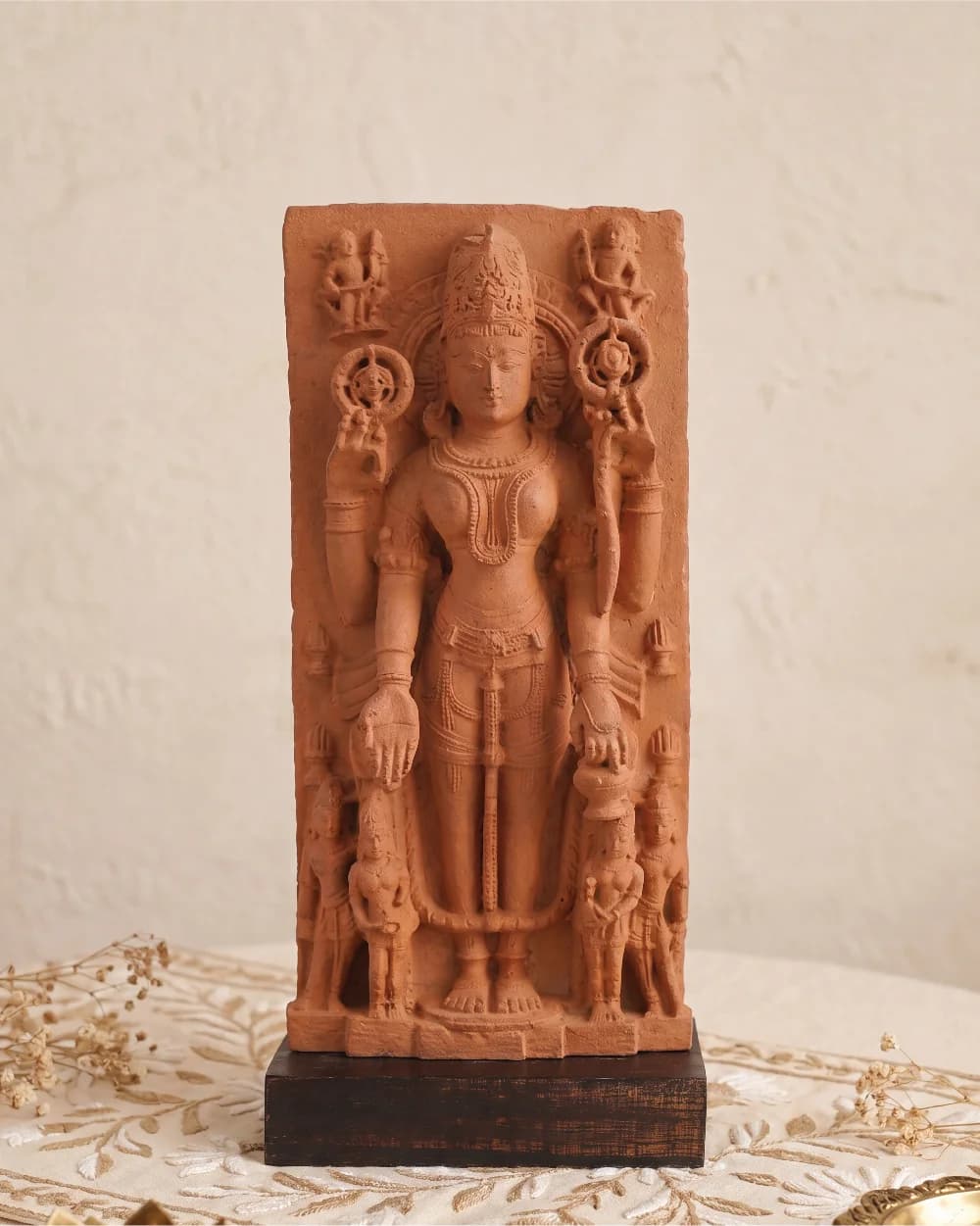
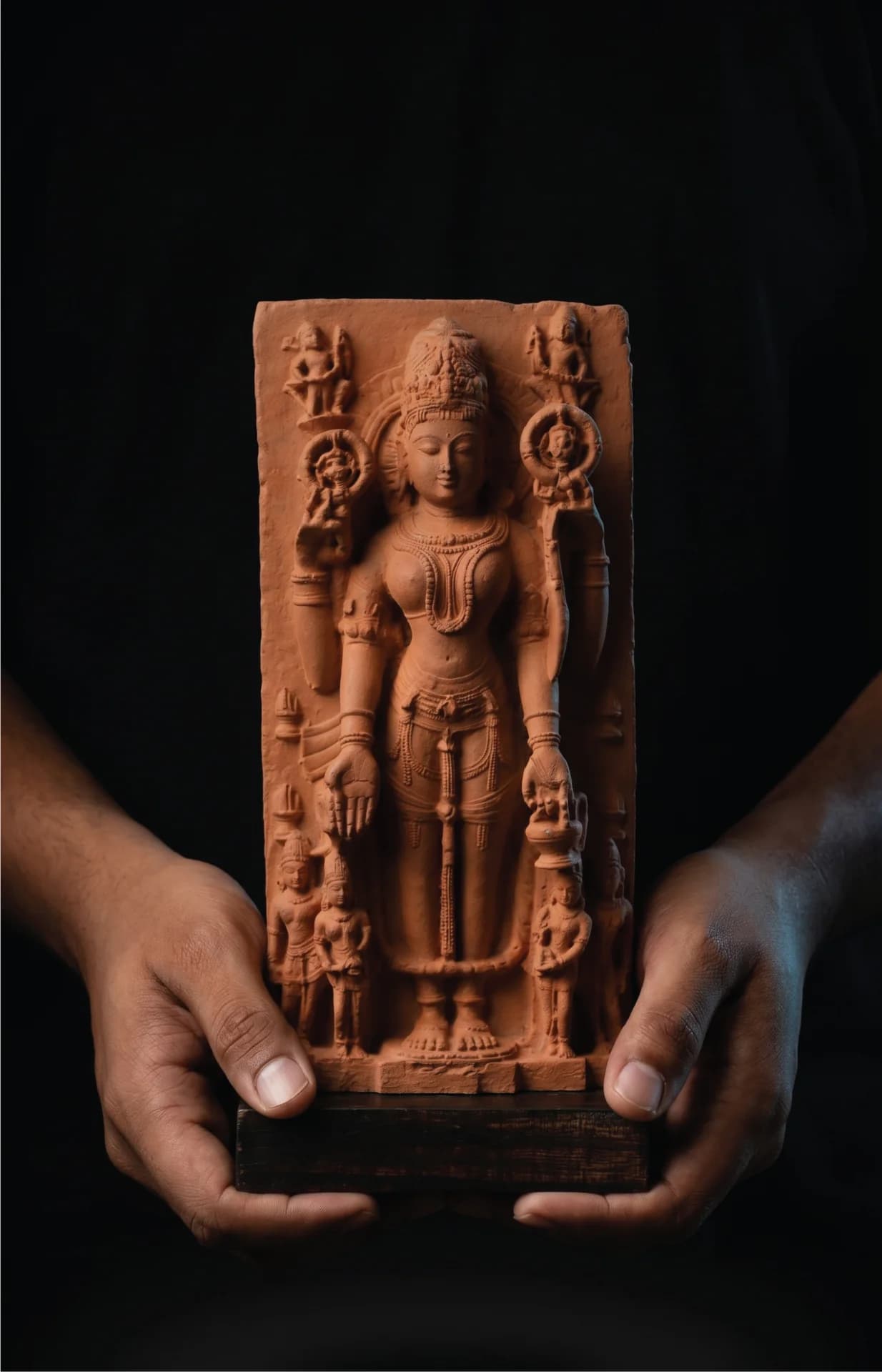
Gauri is always visualized as the young, serene 16-year-old manifestation of Goddess Parvati. She is a living example of wisdom and the power of profound austerity. As the daughter of Himavan, lord of the mountains, Gauri is also known as Parvati (daughter of the mountain). The name Gauri, however, primarily means 'the radiant one,' referring to her luminous golden complexion. As Mahagauri, she embodies purifying grace, helping devotees overcome inner darkness and spiritual impurities. In order to become the wife of Lord Shiva, Parvati, as Kanya, underwent severe penance. The dust collected on her skin, darkening her appearance. Appeased by her dedication, Lord Shiva gave her the promise of marriage. She took a dip in the holy Ganga after that and transformed into a radiant form as "Gauri". She is also the 8th form of Durga, revered as Mahagauri. She is adored by many as a benevolent mother goddess; her presence in the home brings divine blessings. This Gauri sculpture is from the Pratihara period. She is depicted standing in a symmetrical pose on a simple pedestal. She is four-armed, holding a rosary and a lotus in her right hand and a lotus and a water pot in her left hand. She brings prosperity and well-being wherever she resides.
Reviews
Sattu
Verified Purchase
4 months ago
Couldn't be happier with this purchase. The Gauri is gorgeous in person. What made me gravitate to this piece was the dignified, almost meditative posture. There's a real stillness to it that suits a prayer corner. Delivery was on time and the packaging was thoughtful. I'll definitely be ordering from Varaha Heritage again.
Amit V
Verified Purchase
4 months ago
The Gauri replica from Varaha Heritage has a very pure feeling about it. The product is simply amazing.
Bhavita
Verified Purchase
4 months ago
Exceeded every expectation I had. This Gauri is gorgeous in person. It works as both a devotional piece and a piece of decor. A keeper, for sure.
Dipti
Verified Purchase
5 months ago
The Gauri adds a peaceful vibe to the room. Simple, elegant, and nicely handcrafted.
Deepali
Verified Purchase
5 months ago
I've shown it off to everyone who's visited. It's the kind of piece you keep returning to.
Sridhar
Verified Purchase
8 months ago
Another one for the collection. same reliable finish as before. The Gauri matches the quality of my earlier buys; the serene, downcast expression is every bit as sharp as the last piece I got. Nice to deal with a brand that doesn't drop its standards.
Sattu
Verified Purchase
4 months ago
Couldn't be happier with this purchase. The Gauri is gorgeous in person. What made me gravitate to this piece was the dignified, almost meditative posture. There's a real stillness to it that suits a prayer corner. Delivery was on time and the packaging was thoughtful. I'll definitely be ordering from Varaha Heritage again.
Amit V
Verified Purchase
4 months ago
The Gauri replica from Varaha Heritage has a very pure feeling about it. The product is simply amazing.
Bhavita
Verified Purchase
4 months ago
Exceeded every expectation I had. This Gauri is gorgeous in person. It works as both a devotional piece and a piece of decor. A keeper, for sure.
Dipti
Verified Purchase
5 months ago
The Gauri adds a peaceful vibe to the room. Simple, elegant, and nicely handcrafted.
Deepali
Verified Purchase
5 months ago
I've shown it off to everyone who's visited. It's the kind of piece you keep returning to.
Sridhar
Verified Purchase
8 months ago
Another one for the collection. same reliable finish as before. The Gauri matches the quality of my earlier buys; the serene, downcast expression is every bit as sharp as the last piece I got. Nice to deal with a brand that doesn't drop its standards.