

- Name
- Salabhanjika
- Origin
- 10th Century C.E., Gyaraspur, Vidisha Distt.
- Currently at
- Gujari Mahal Museum, Gwalior
About this piece
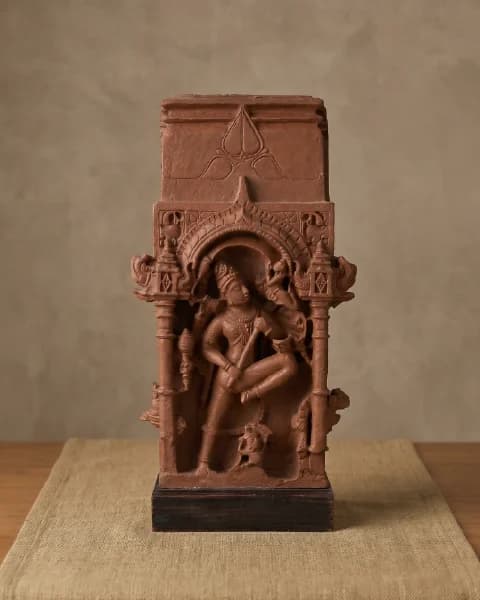
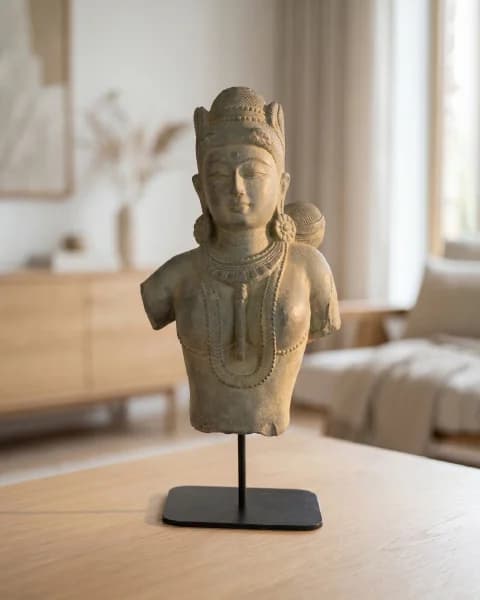
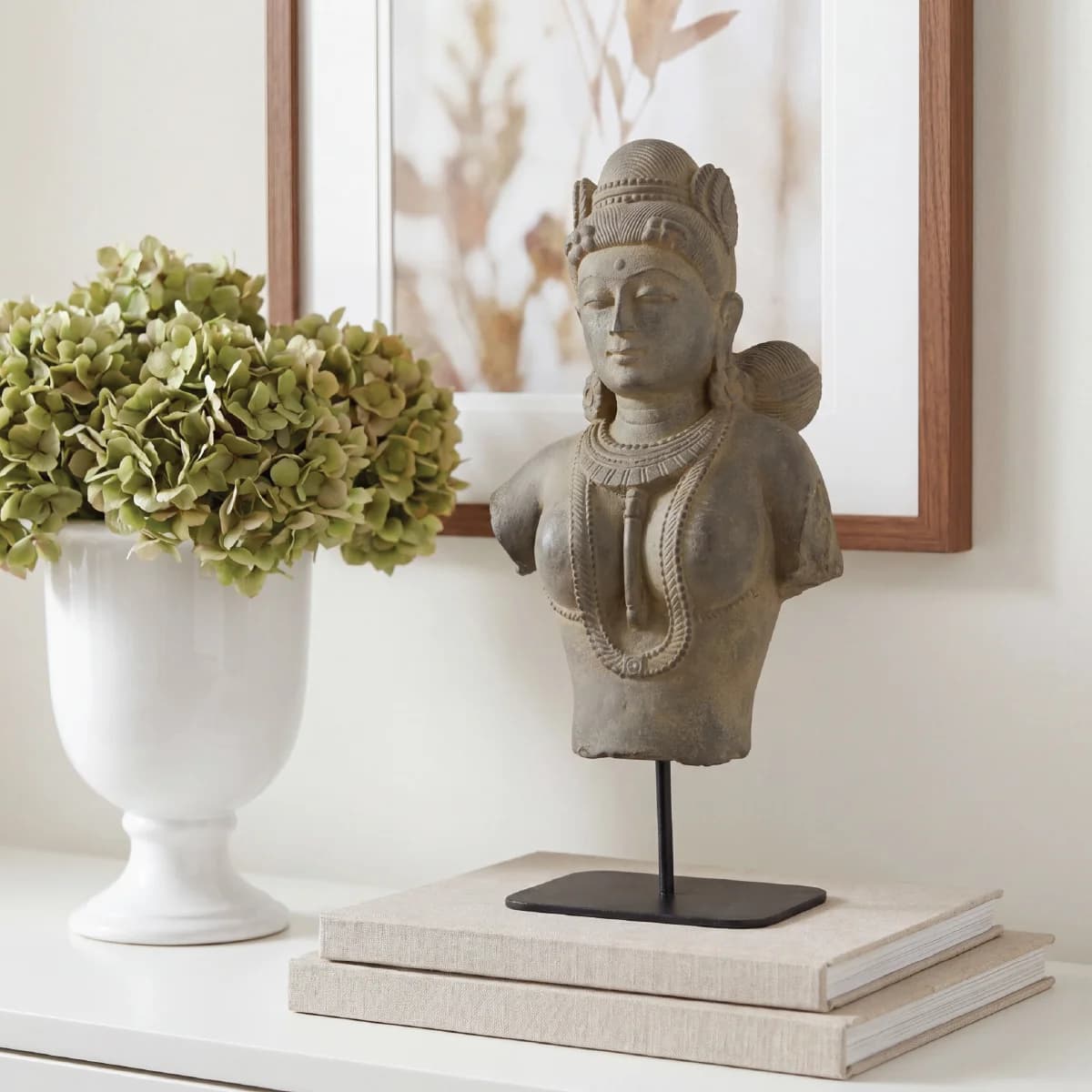
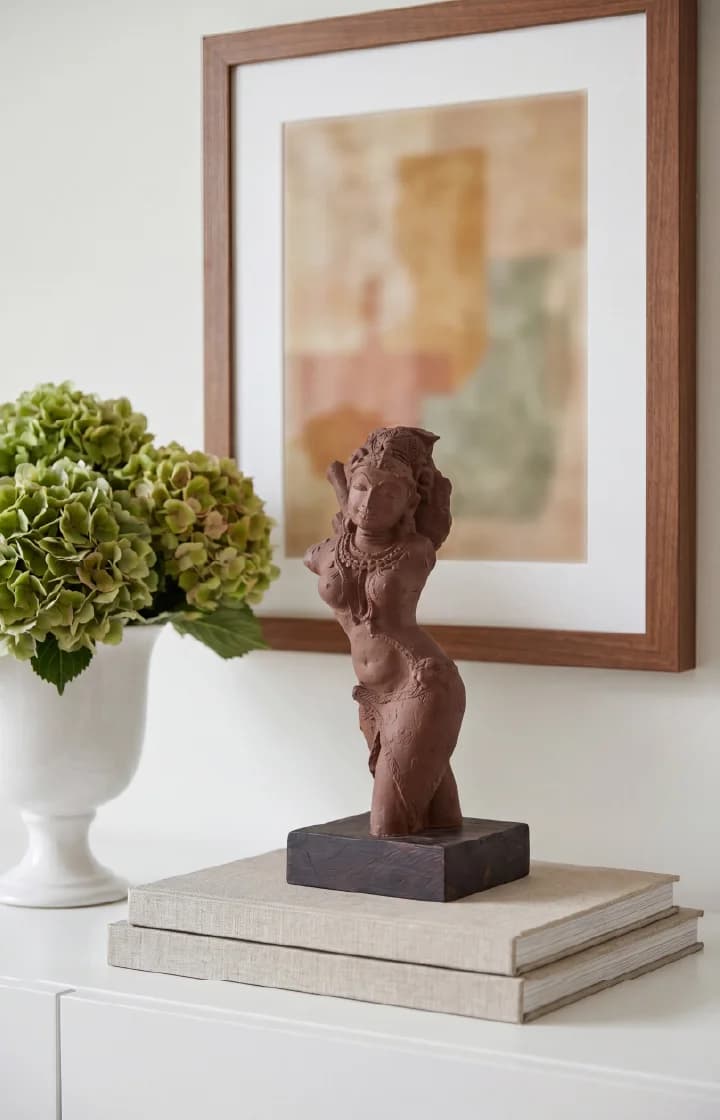
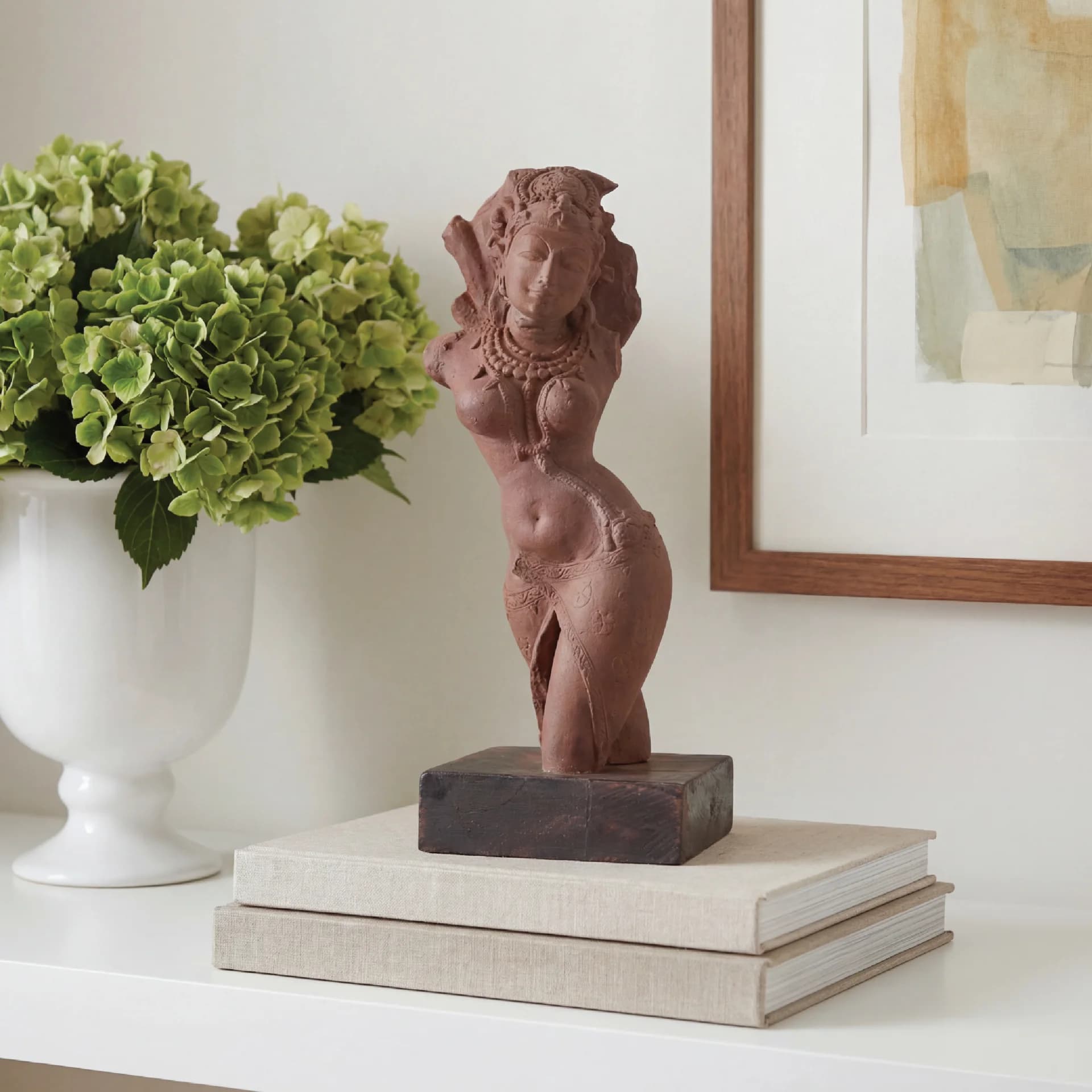
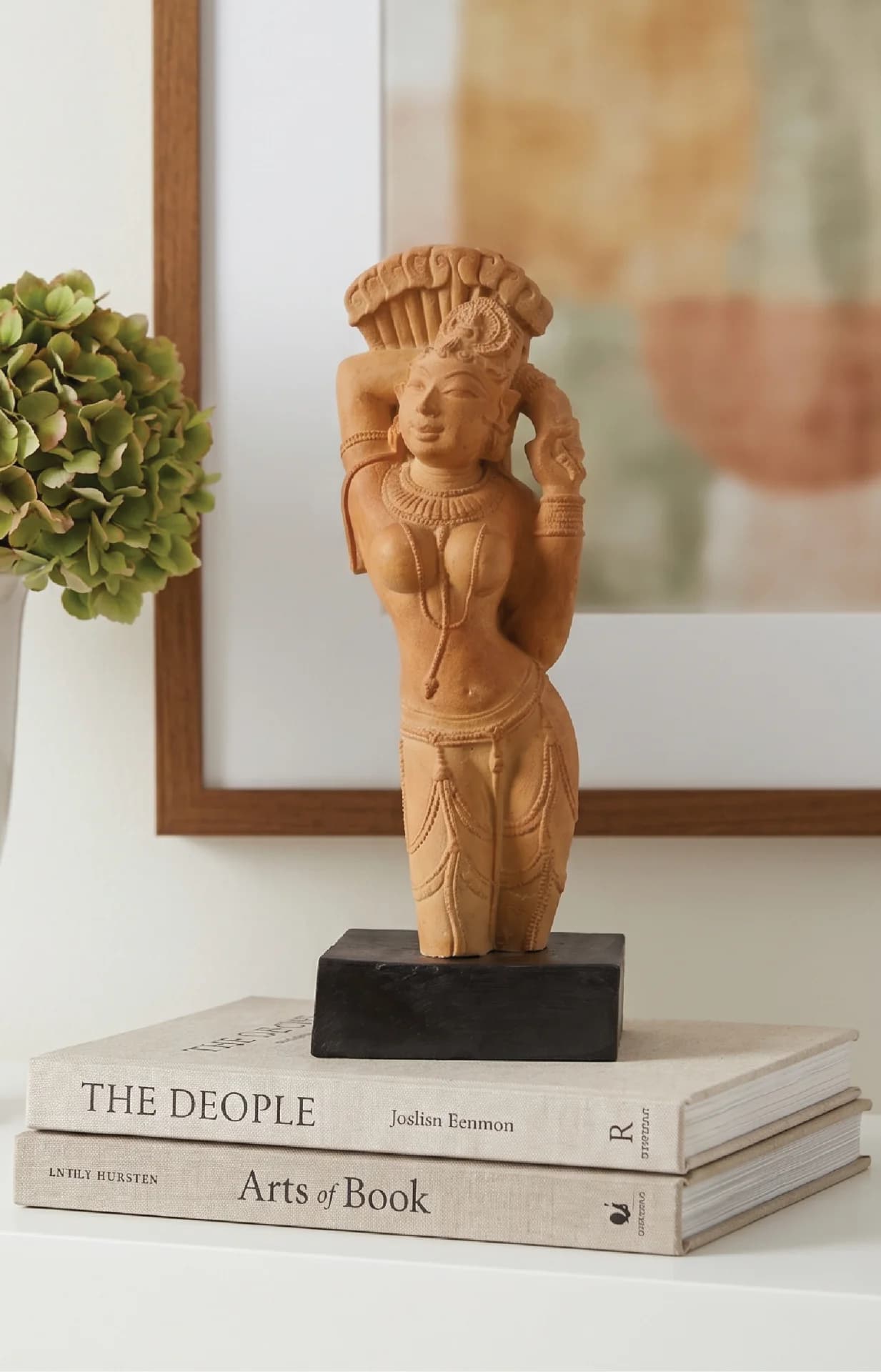
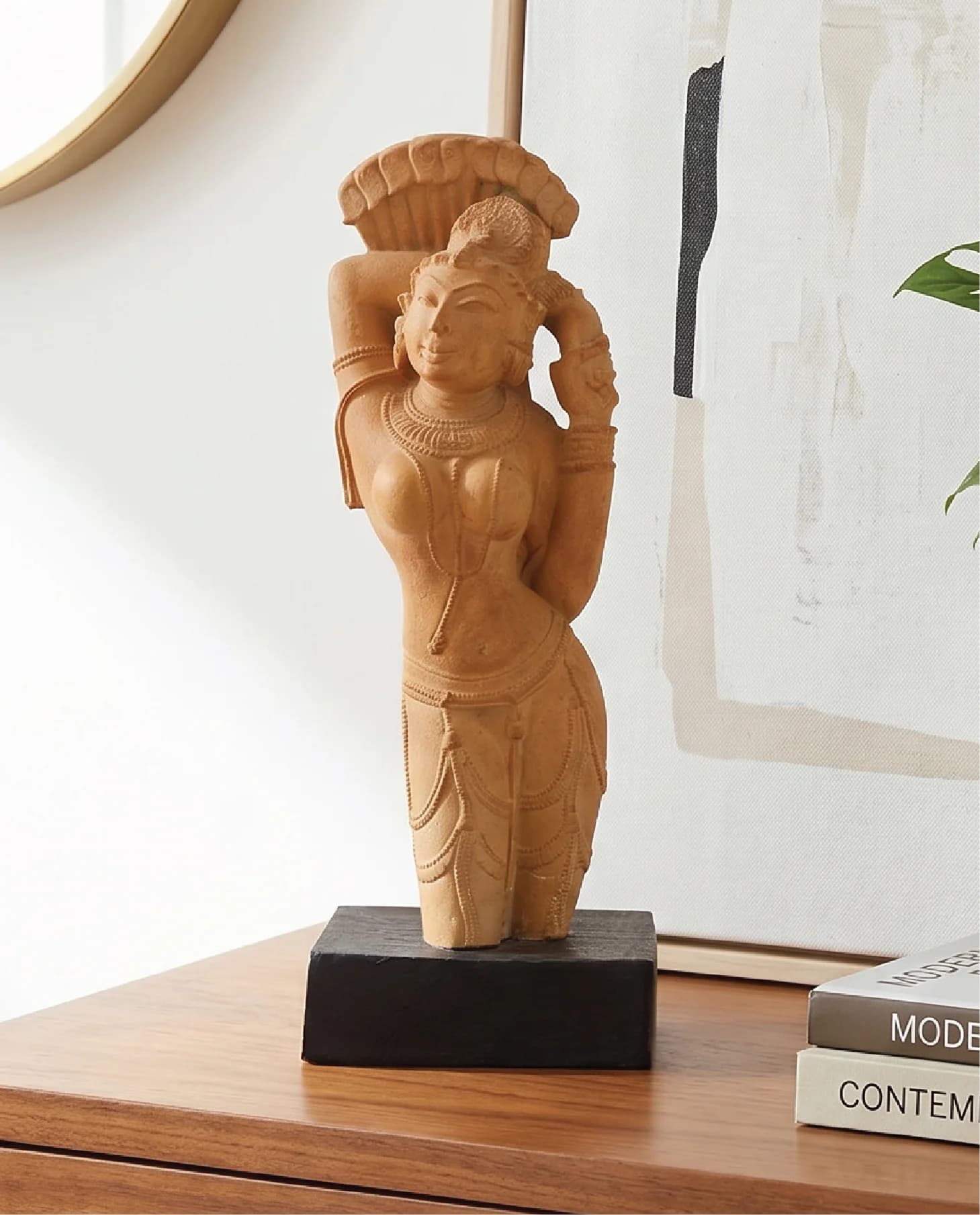
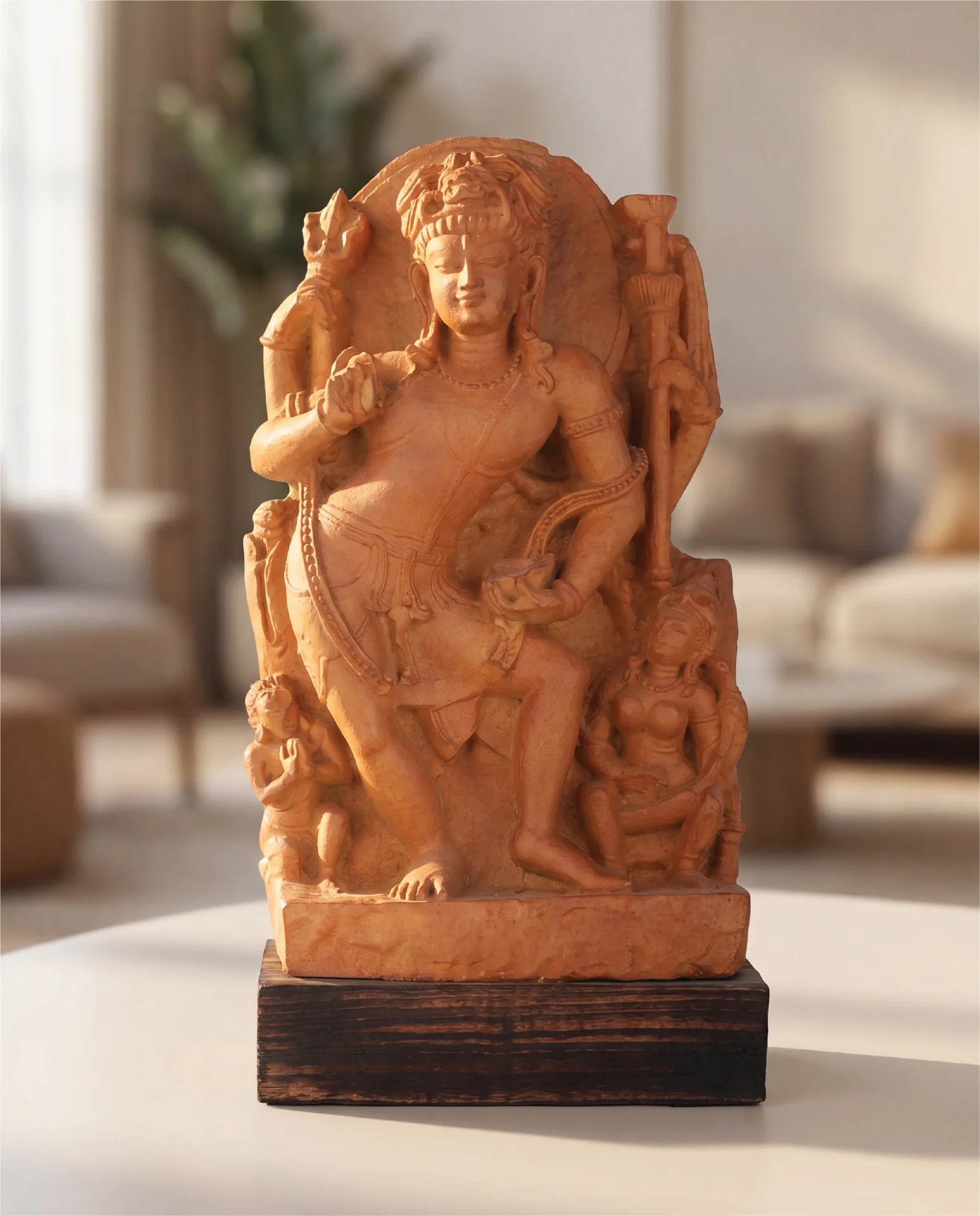
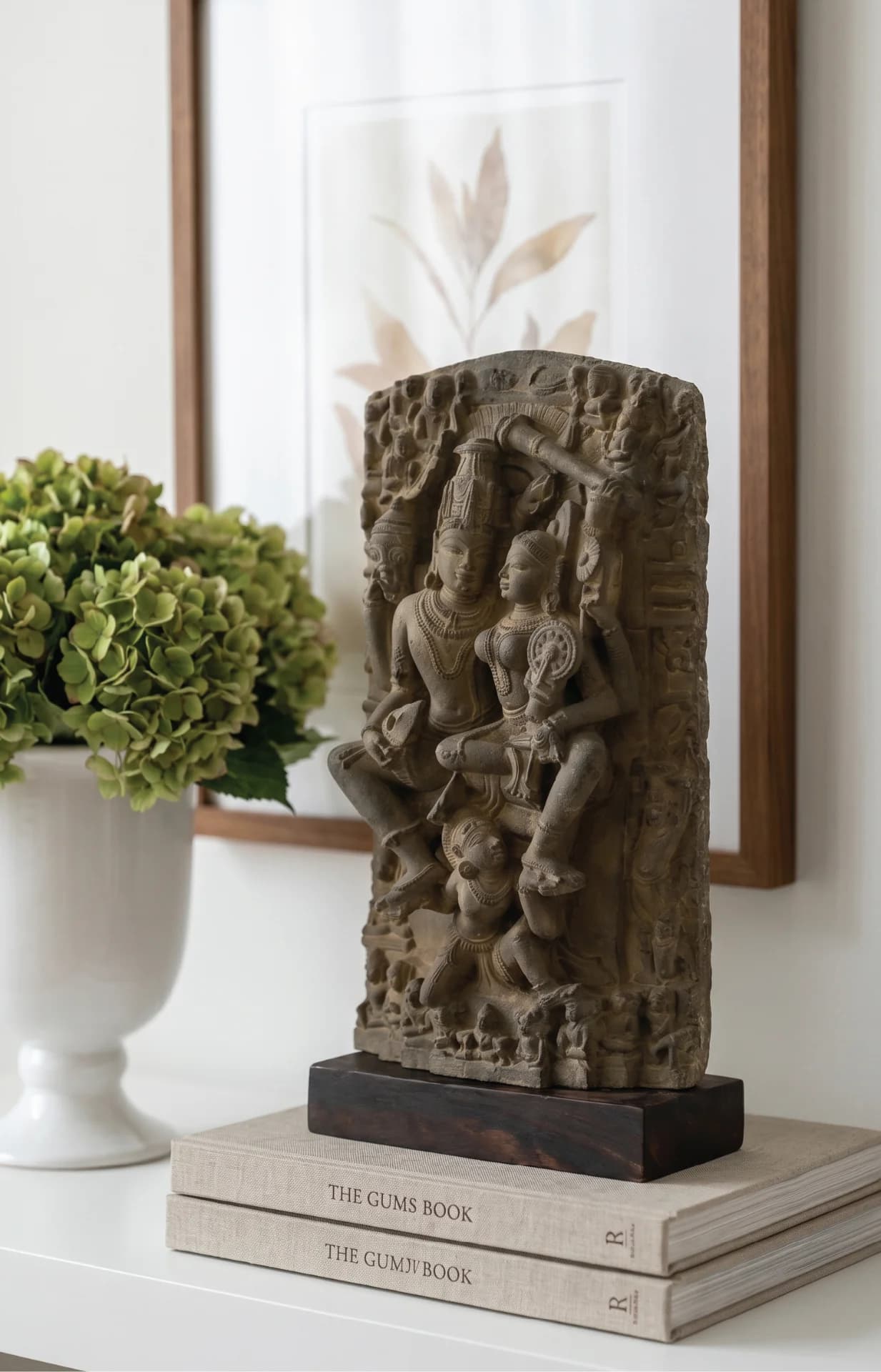
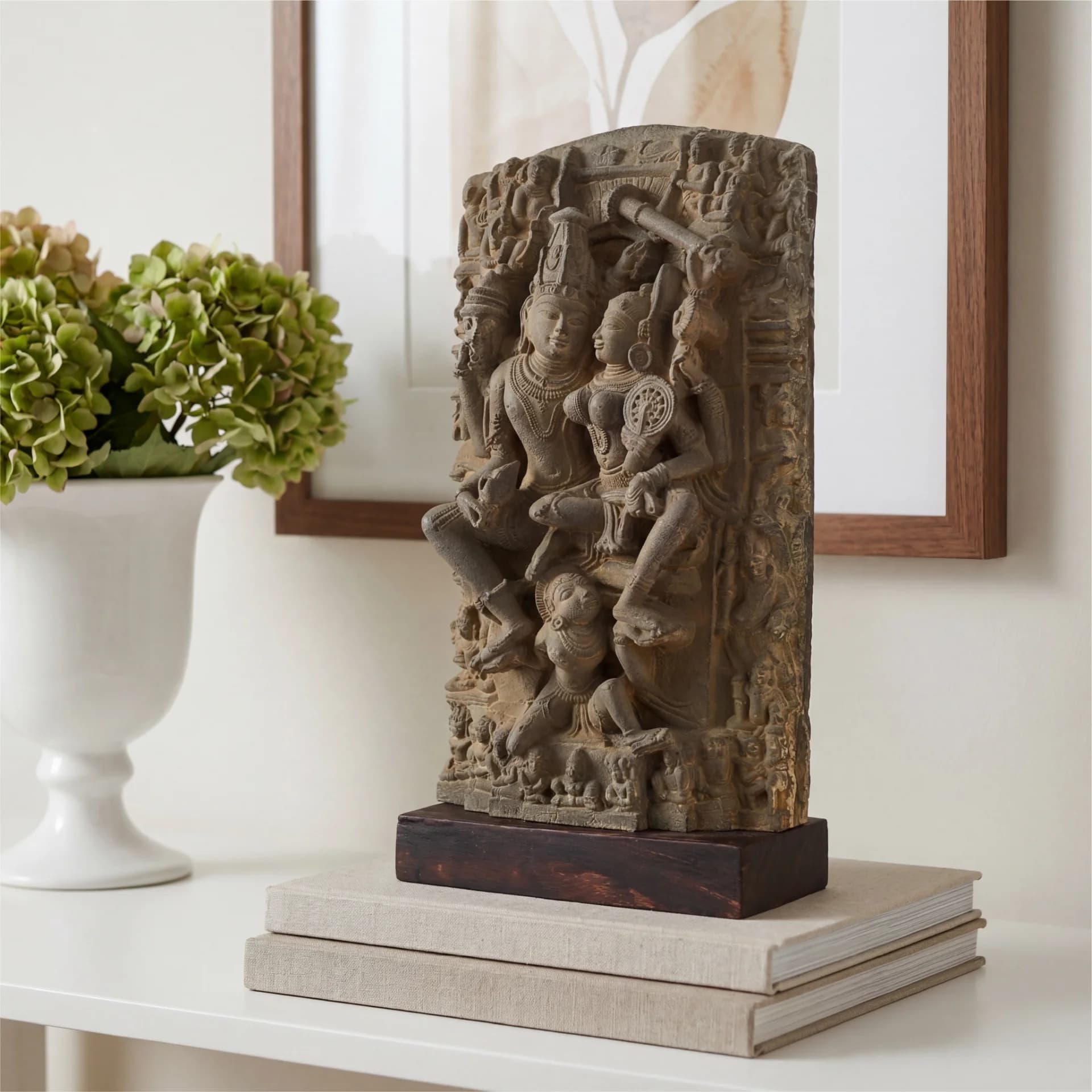
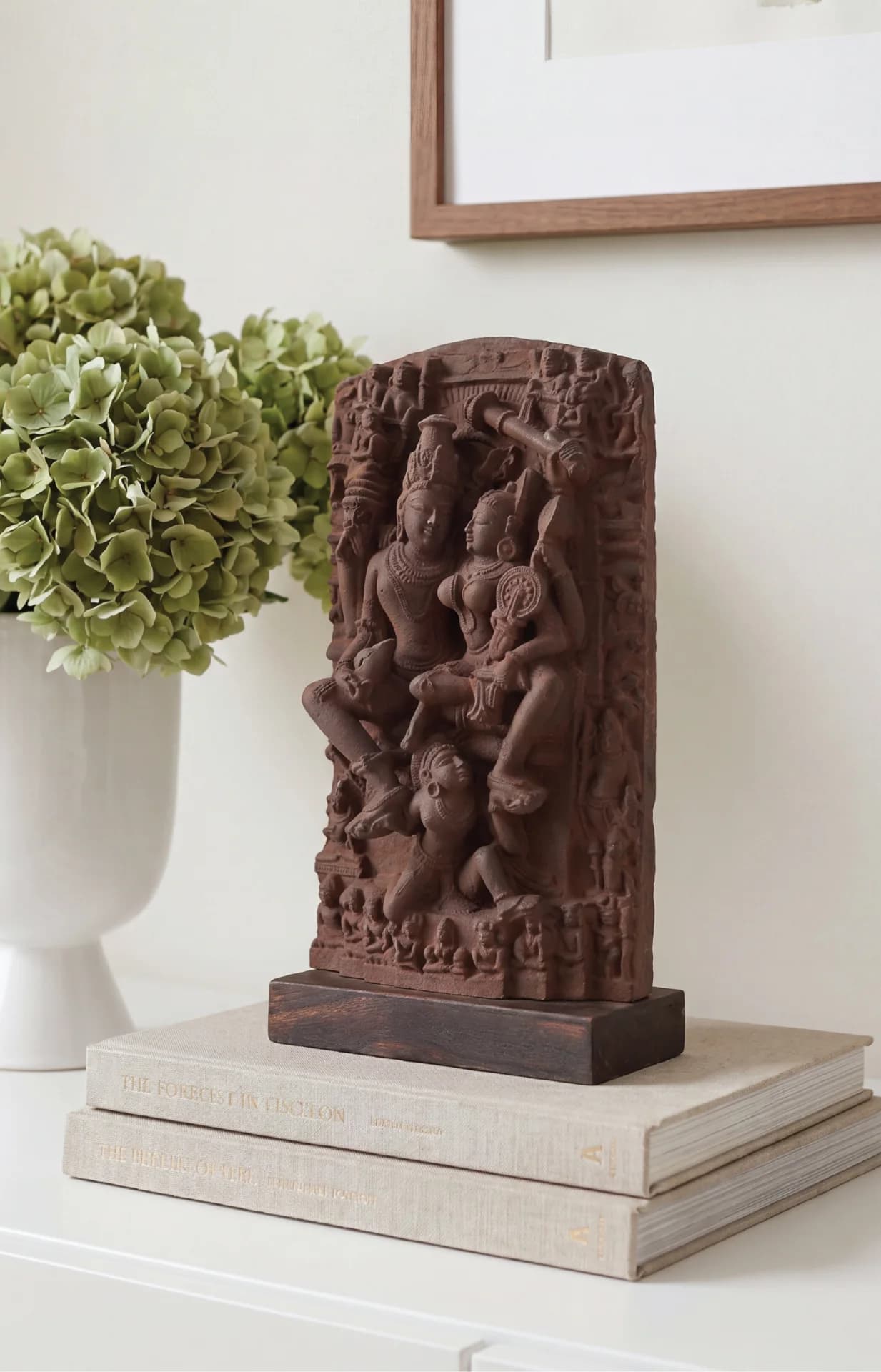
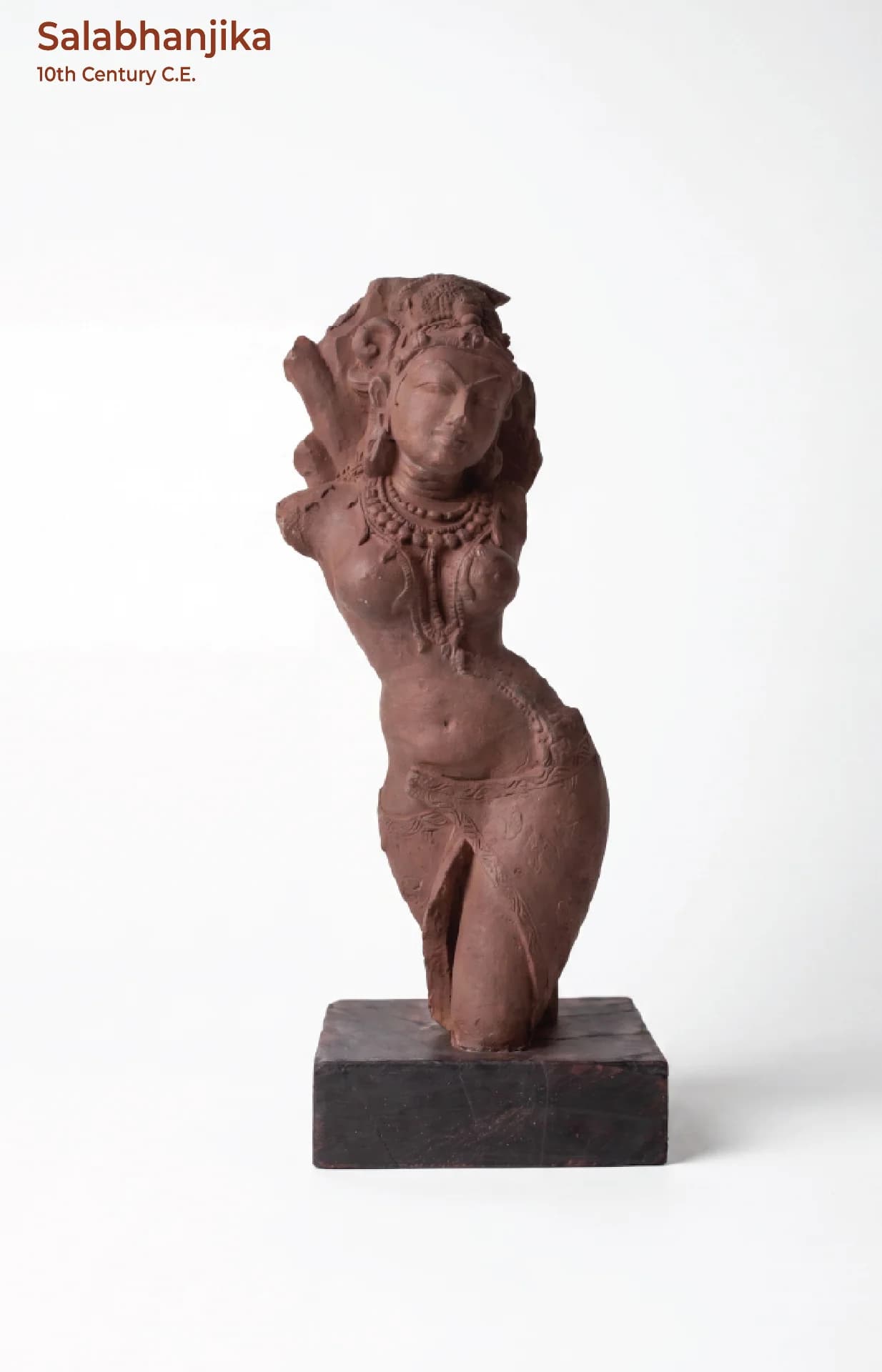
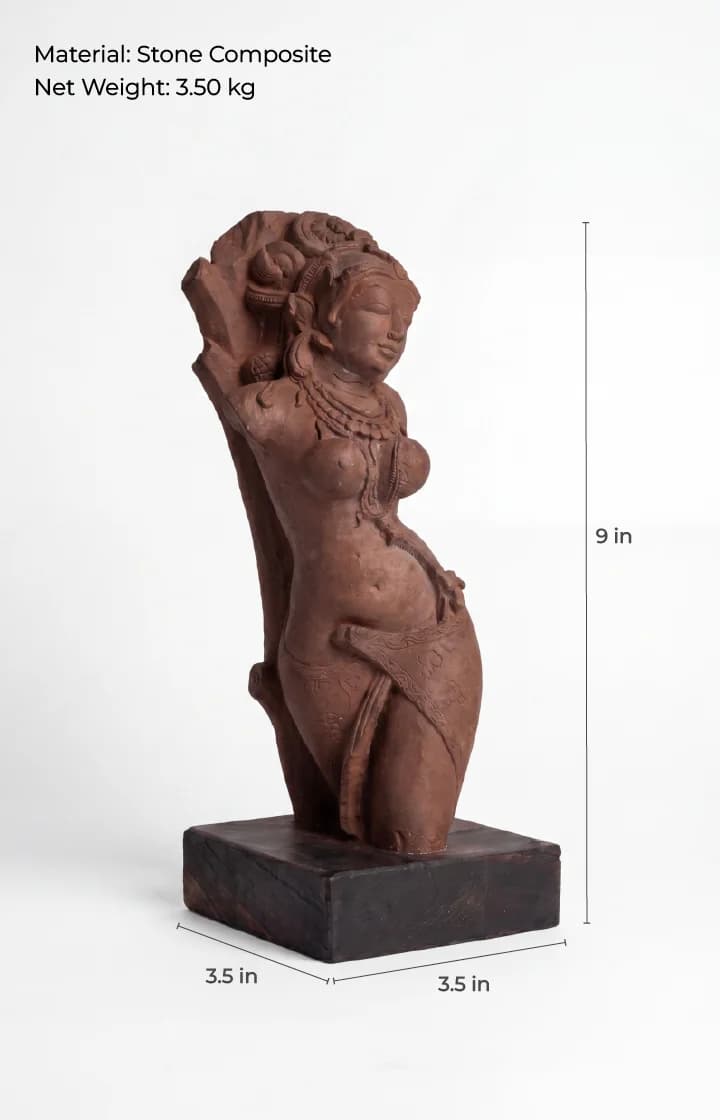
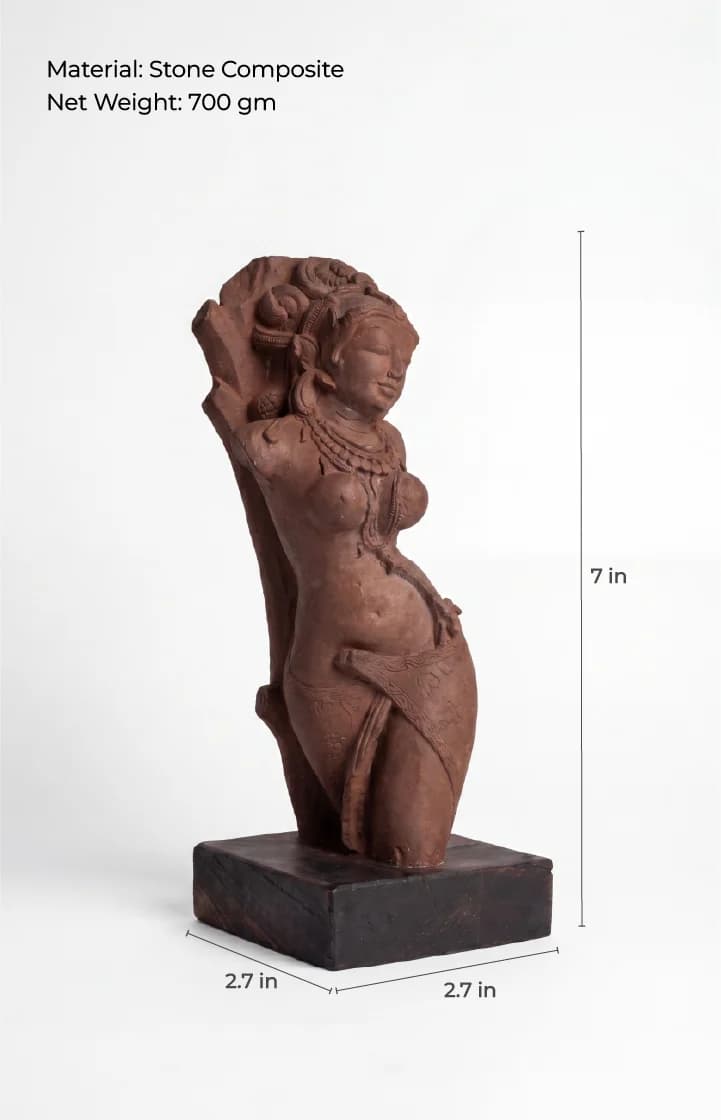
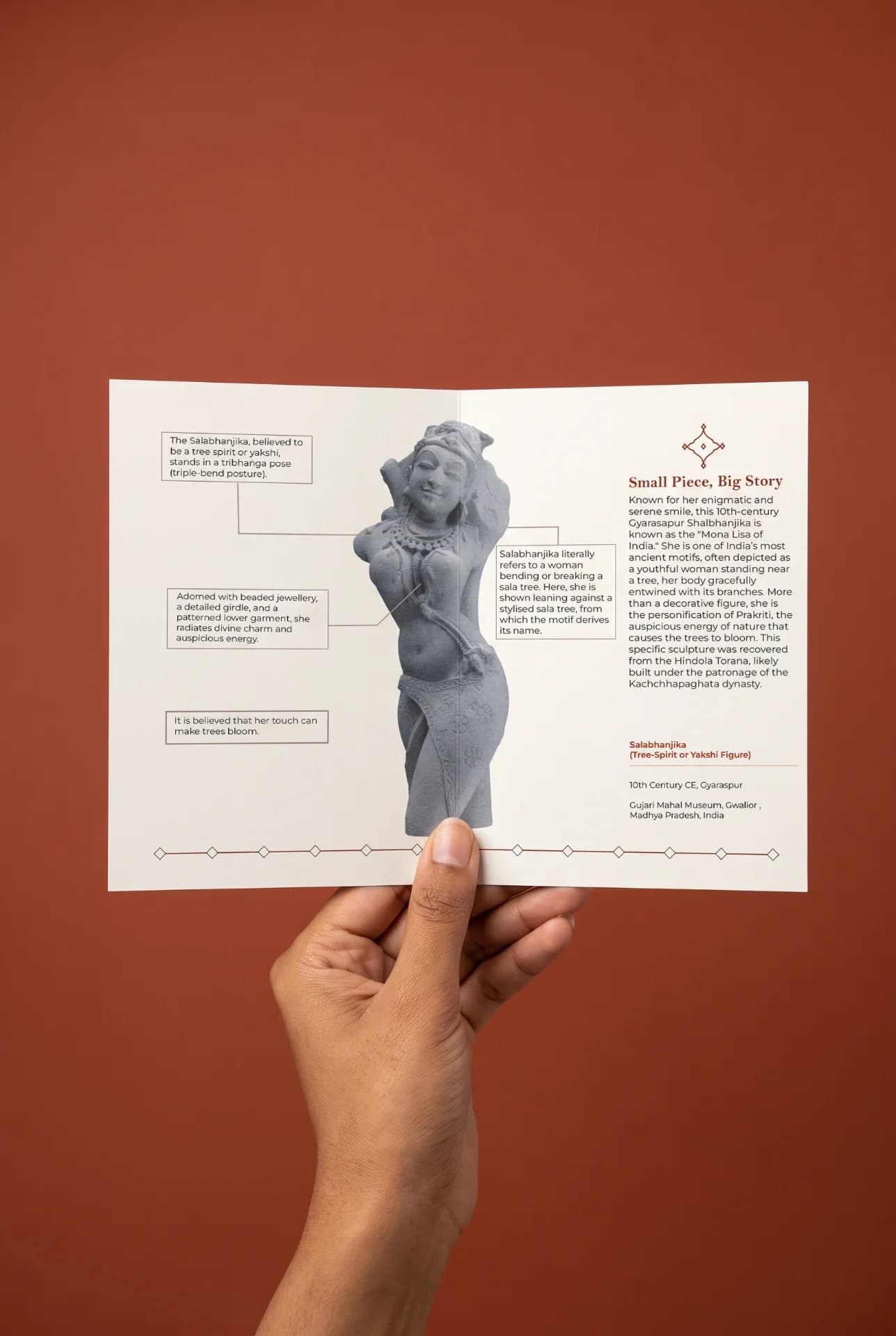
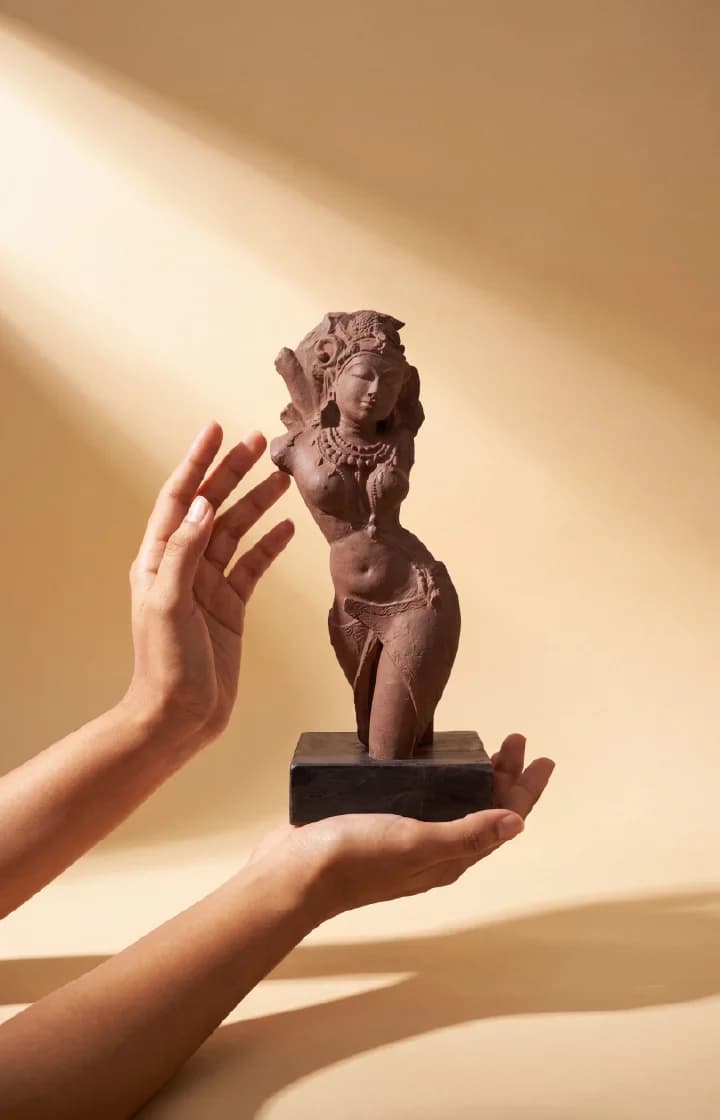
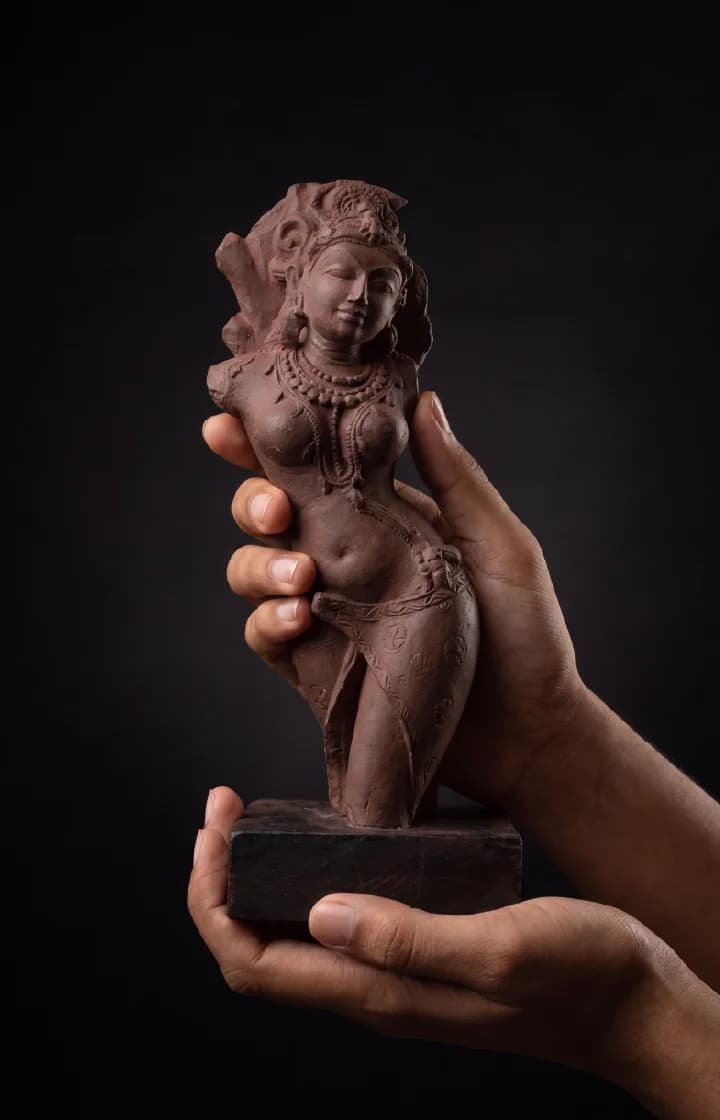
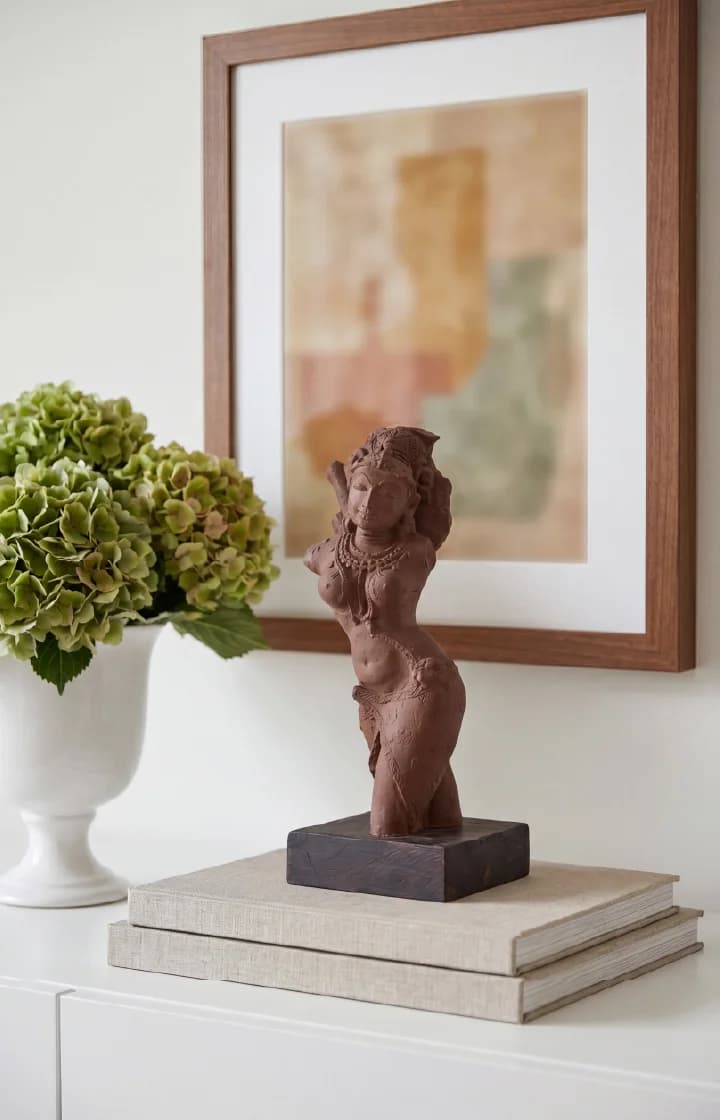
The Gyaraspur Lady, Shalabhanjika, is an unexcelled piece of Indian art. Salabhanjika, literally meaning "bending/breaking the Sala branch," is a symbol of fertility and prosperity. In Buddhism, she is associated with the Buddha's birth. It is said that Mahamaya touched the Sala branch, which sent her into labor pains. It is believed that the mere touch of Salabhanjika can cause trees to bloom. She is regarded as a tree spirit and often depicted on the torana as an auspicious symbol. In 1933, the statue's torso was retrieved from the remnants of the Hindola Torana complex. The statue's head was discovered a year later, but for a while, both parts were kept apart in the collection room. Only a few years later, while inspecting the collection, the head was affixed to the torso, giving the statue life. The stone sculpture depicts the armless torso of a voluptuous, lavishly jewelled, and intricately coiffed woman. She strikes a beautiful tribhanga position with her legs showing through the slit of her antariya. The remains of branch-like extensions protrude behind her slanted head and elaborate headdress. She is known as the Mona Lisa of India because of her beaming face. She was featured in a cultural display in France in 1985, receiving recognition for both her historical relevance and visual appeal. According to estimates at the time, the sculpture was worth about 60 lakh rupees, demonstrating the sculpture's enormous cultural significance. The Salabhanjika sculpture was damaged during shipment during the subsequent Festival of India in the Soviet Union in 1987–88. This sculpture is currently housed in the secure vault of the museum, keeping her safety in mind.
Reviews
Jay
Verified Purchase
5 months ago
Good experience overall with the Salabhanjika. Looks premium and works very well as decor.
Ramachandra V
Verified Purchase
6 months ago
Beautiful sculpture, slightly let down by one detail. The Salabhanjika is beautifully done, I keep moving it around the house because it looks good everywhere. The inner foam could be shaped to hold the figure more snugly; it shifted a little in transit, though it arrived undamaged.
Kunal
Verified Purchase
7 months ago
The Salabhanjika adds a peaceful vibe to the room. Simple, elegant, and nicely handcrafted.
Tunnir
Verified Purchase
7 months ago
The Salabhanjika's flowing tribhanga pose is captured so naturally the artisan clearly understood the spirit of the original 10th century piece.
Yogita Rawat
Verified Purchase
8 months ago
Very catchy to the human eye, with meticulous intricacies this artefact can garner one's attention
Anushka
Verified Purchase
8 months ago
The Salabhanjika exceeded my expectations — the yakshi figure has a graceful sway to it that photographs beautifully in natural light.
Jay
Verified Purchase
5 months ago
Good experience overall with the Salabhanjika. Looks premium and works very well as decor.
Ramachandra V
Verified Purchase
6 months ago
Beautiful sculpture, slightly let down by one detail. The Salabhanjika is beautifully done, I keep moving it around the house because it looks good everywhere. The inner foam could be shaped to hold the figure more snugly; it shifted a little in transit, though it arrived undamaged.
Kunal
Verified Purchase
7 months ago
The Salabhanjika adds a peaceful vibe to the room. Simple, elegant, and nicely handcrafted.
Tunnir
Verified Purchase
7 months ago
The Salabhanjika's flowing tribhanga pose is captured so naturally the artisan clearly understood the spirit of the original 10th century piece.
Yogita Rawat
Verified Purchase
8 months ago
Very catchy to the human eye, with meticulous intricacies this artefact can garner one's attention
Anushka
Verified Purchase
8 months ago
The Salabhanjika exceeded my expectations — the yakshi figure has a graceful sway to it that photographs beautifully in natural light.