

- Name
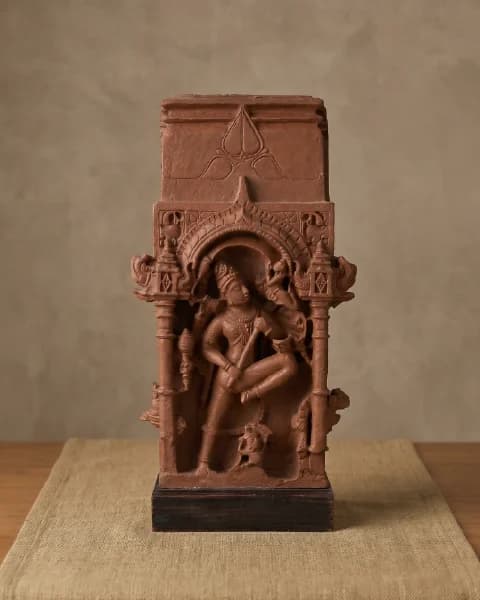
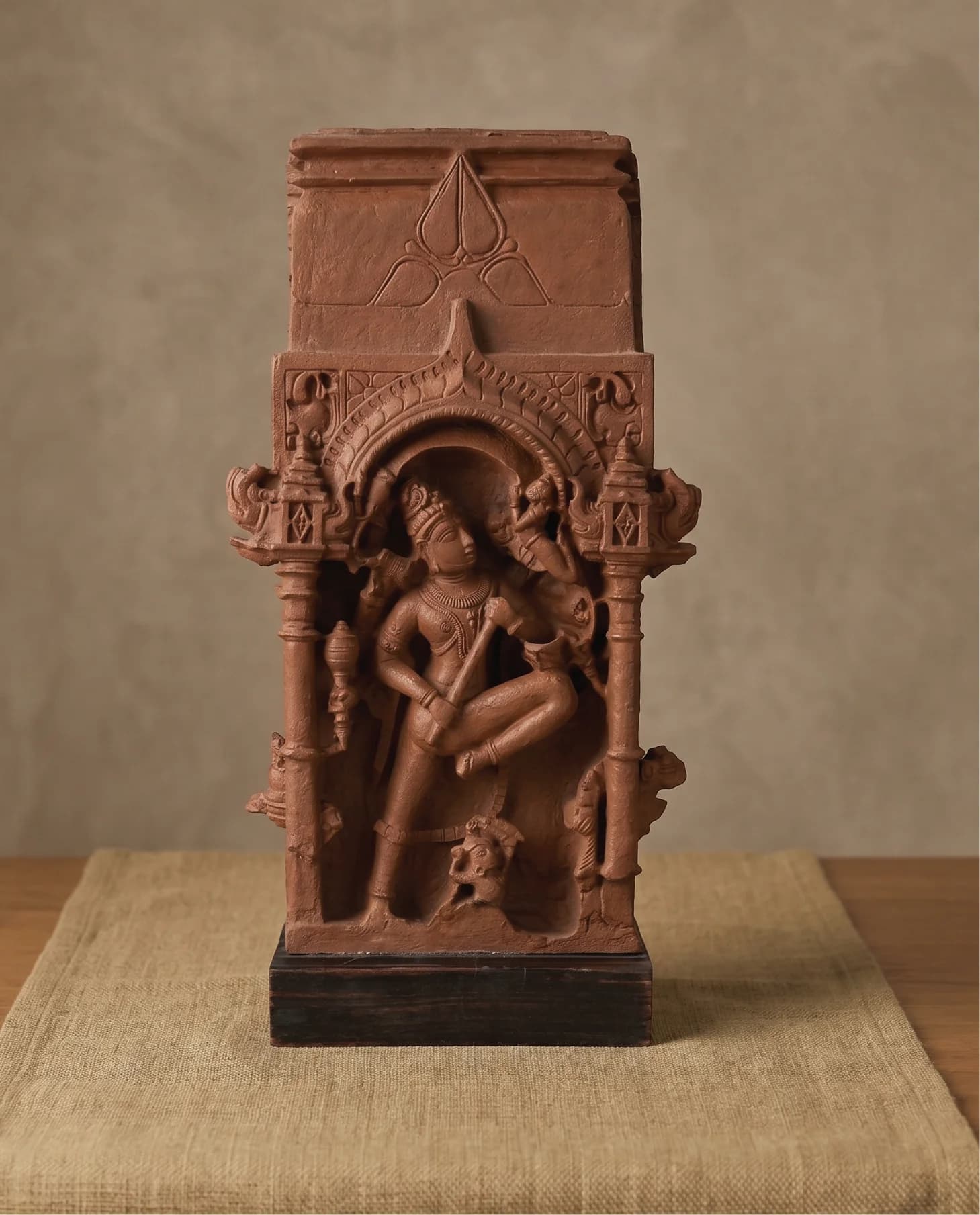
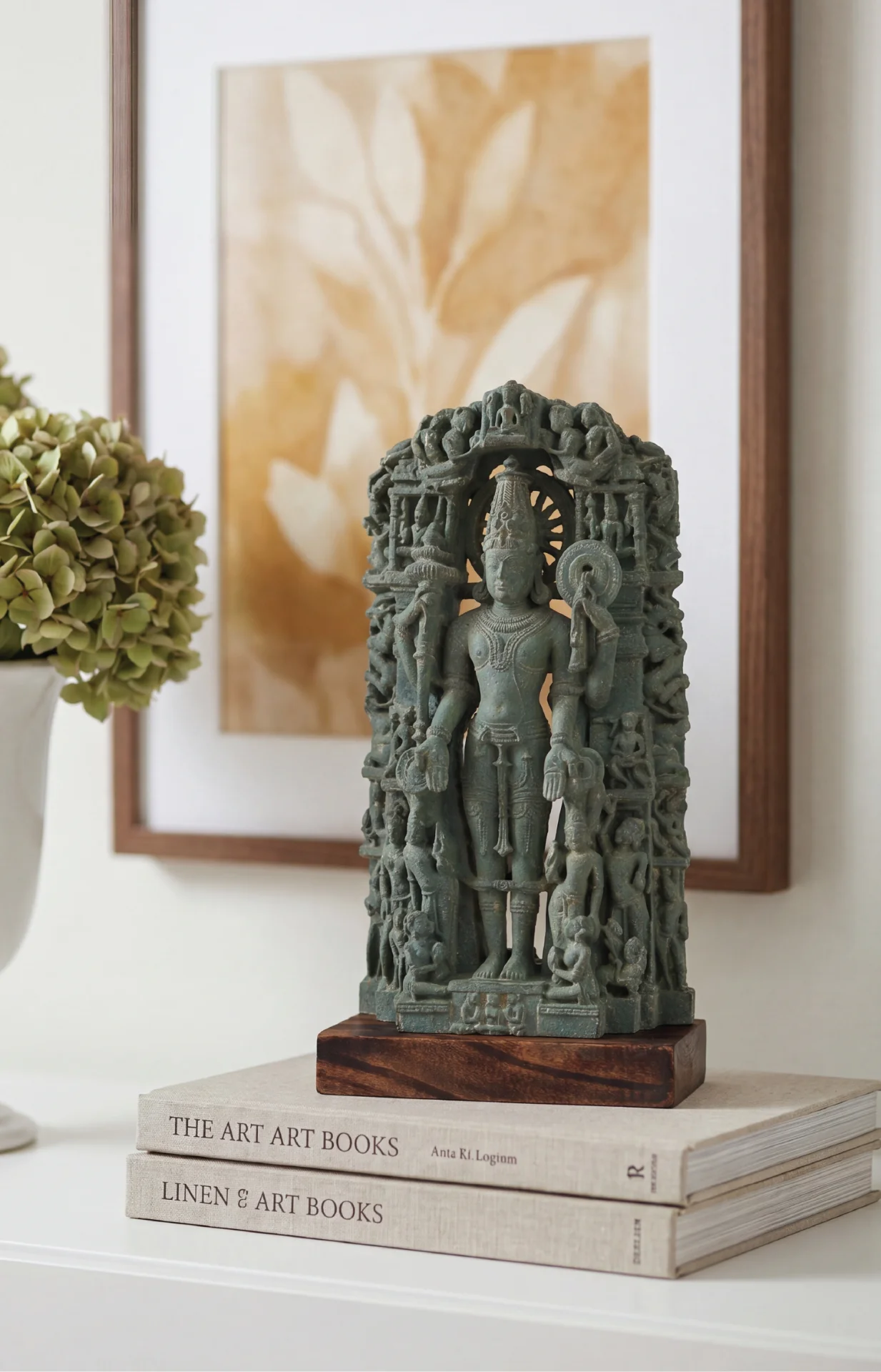
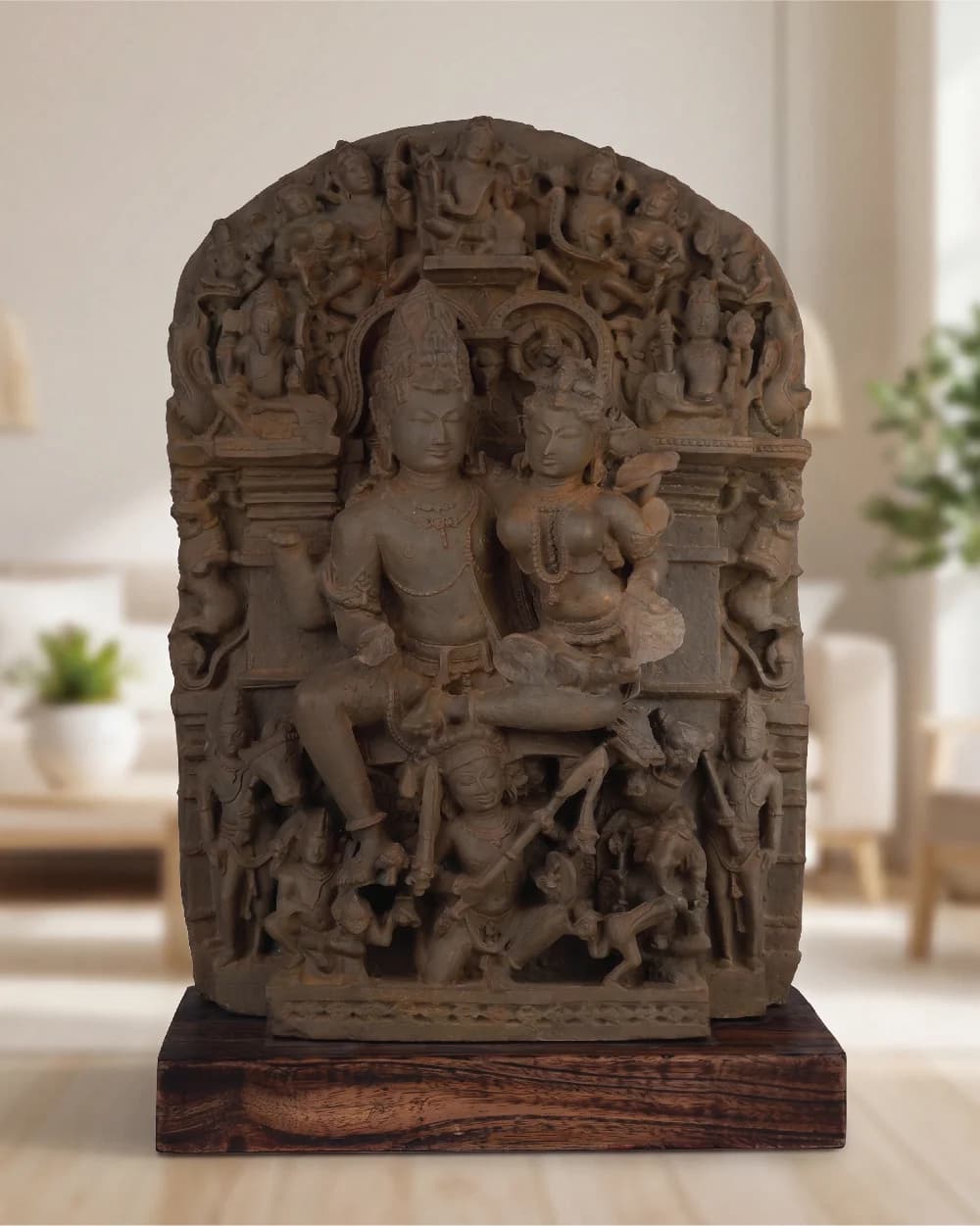
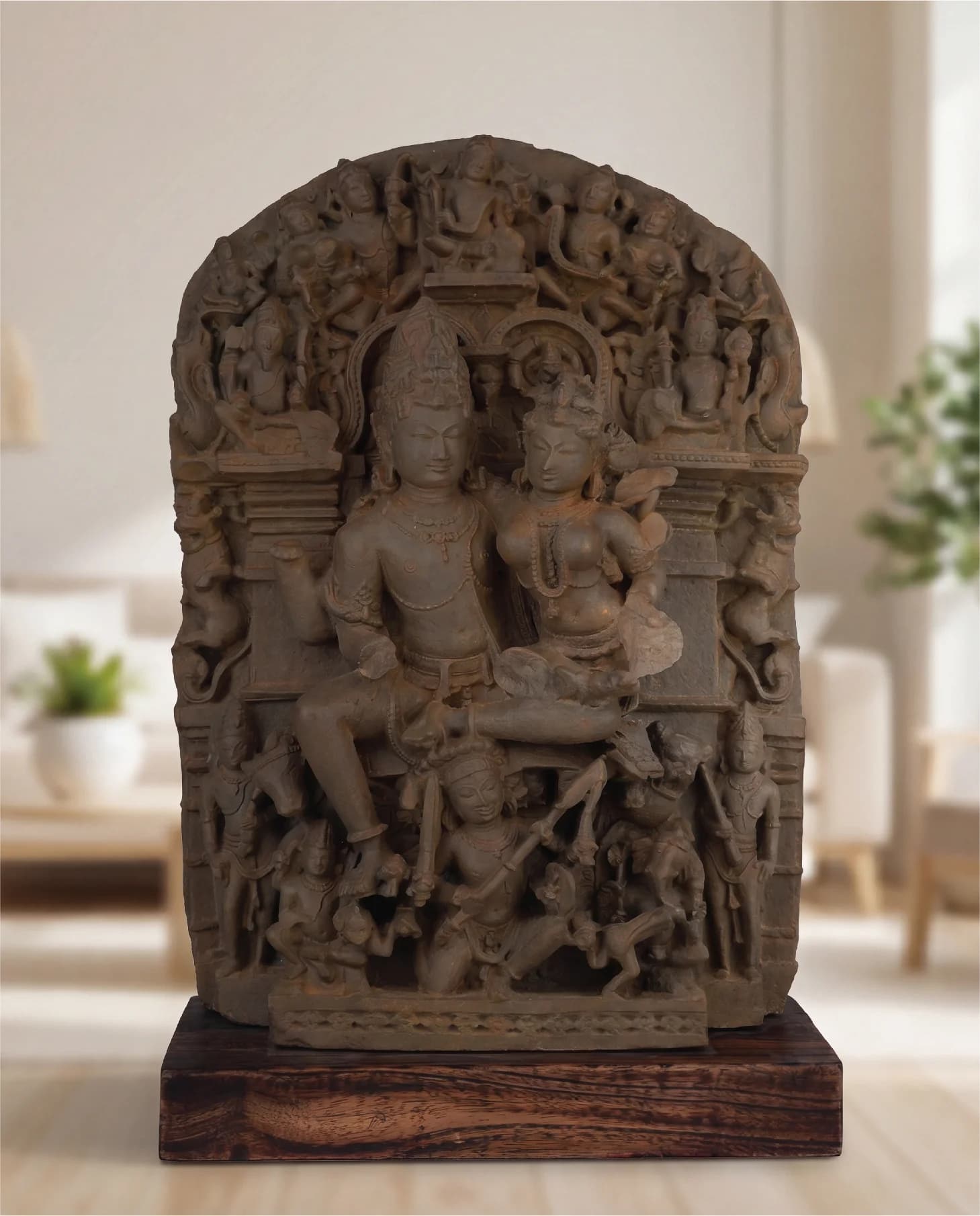
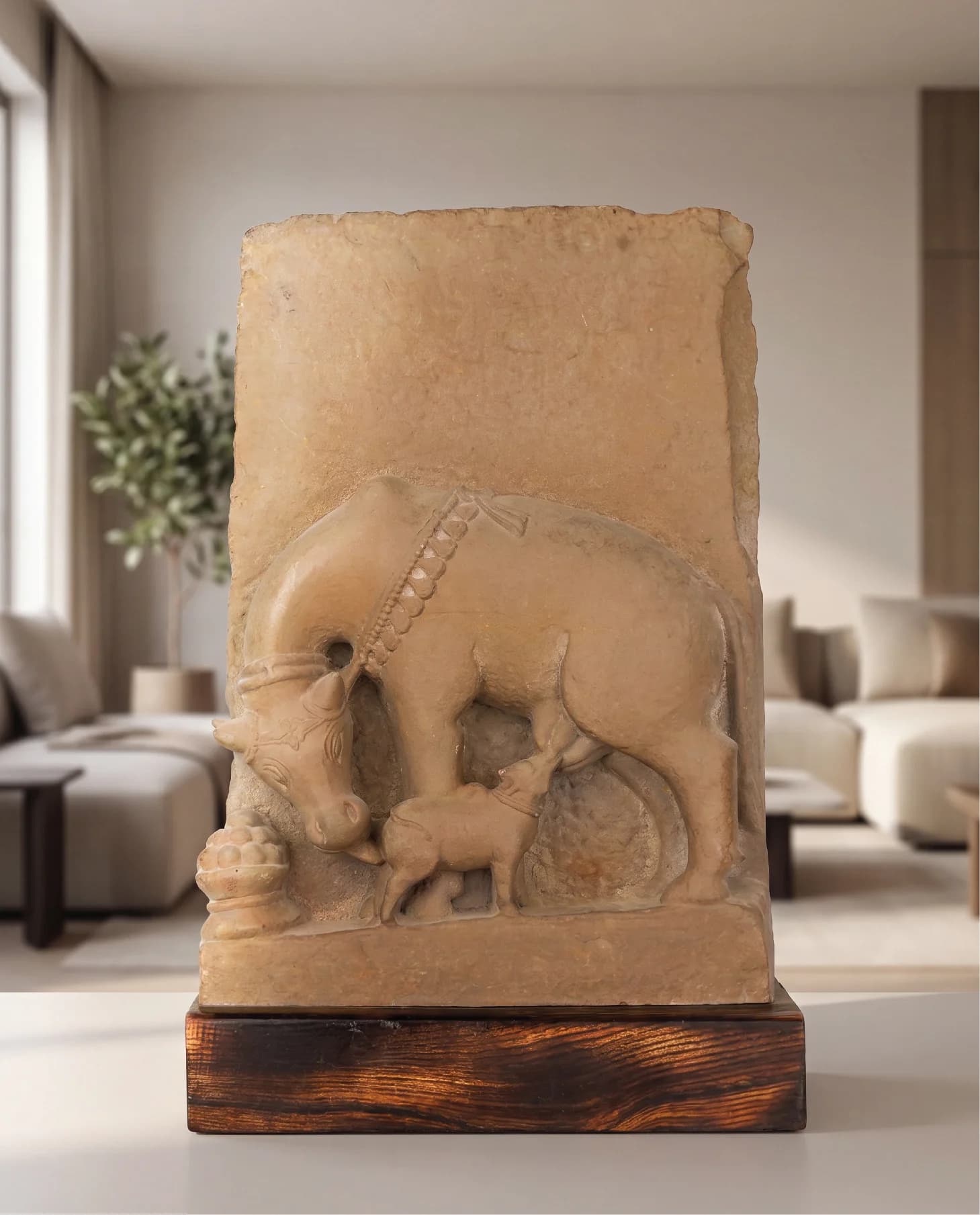
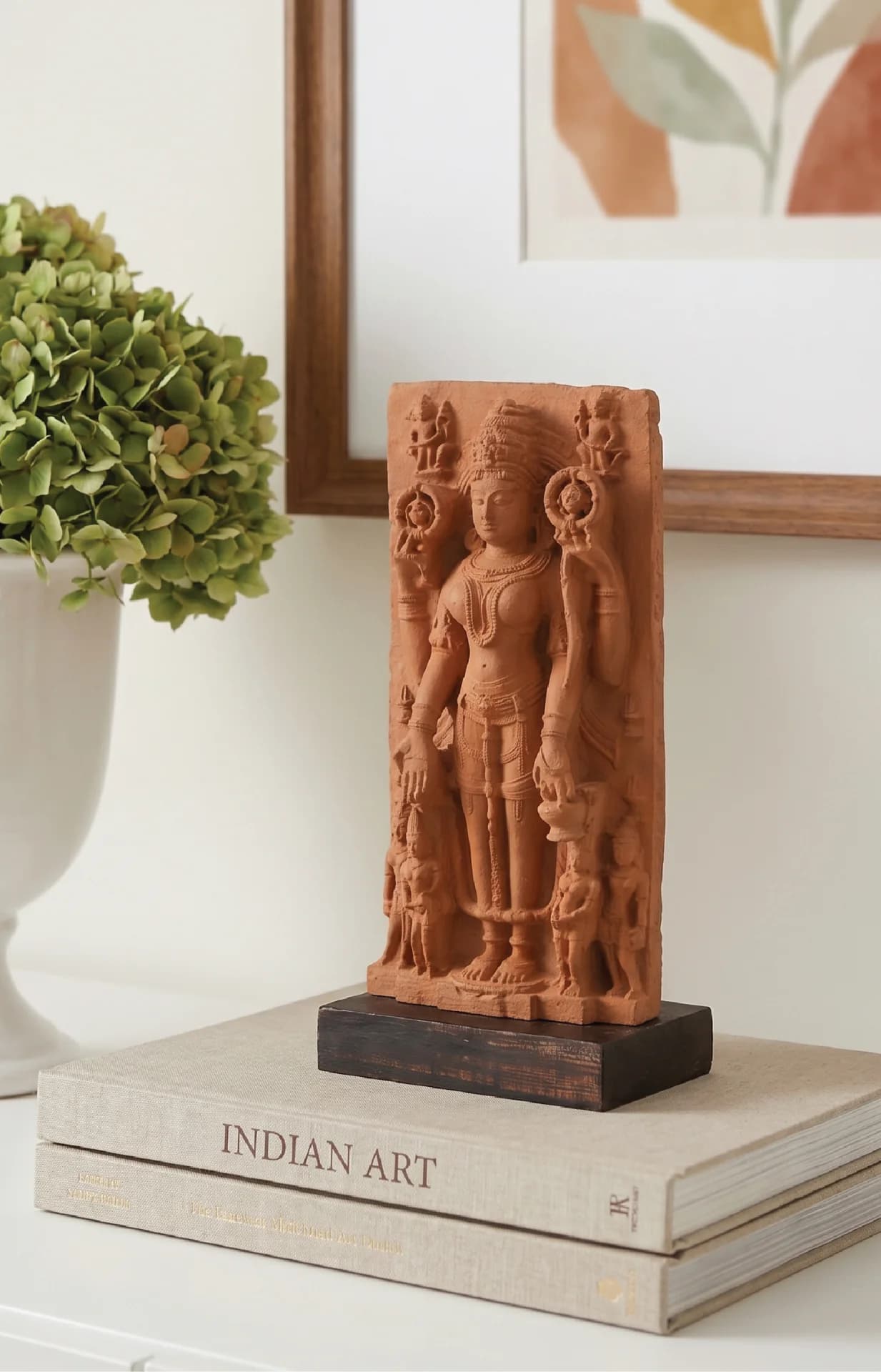
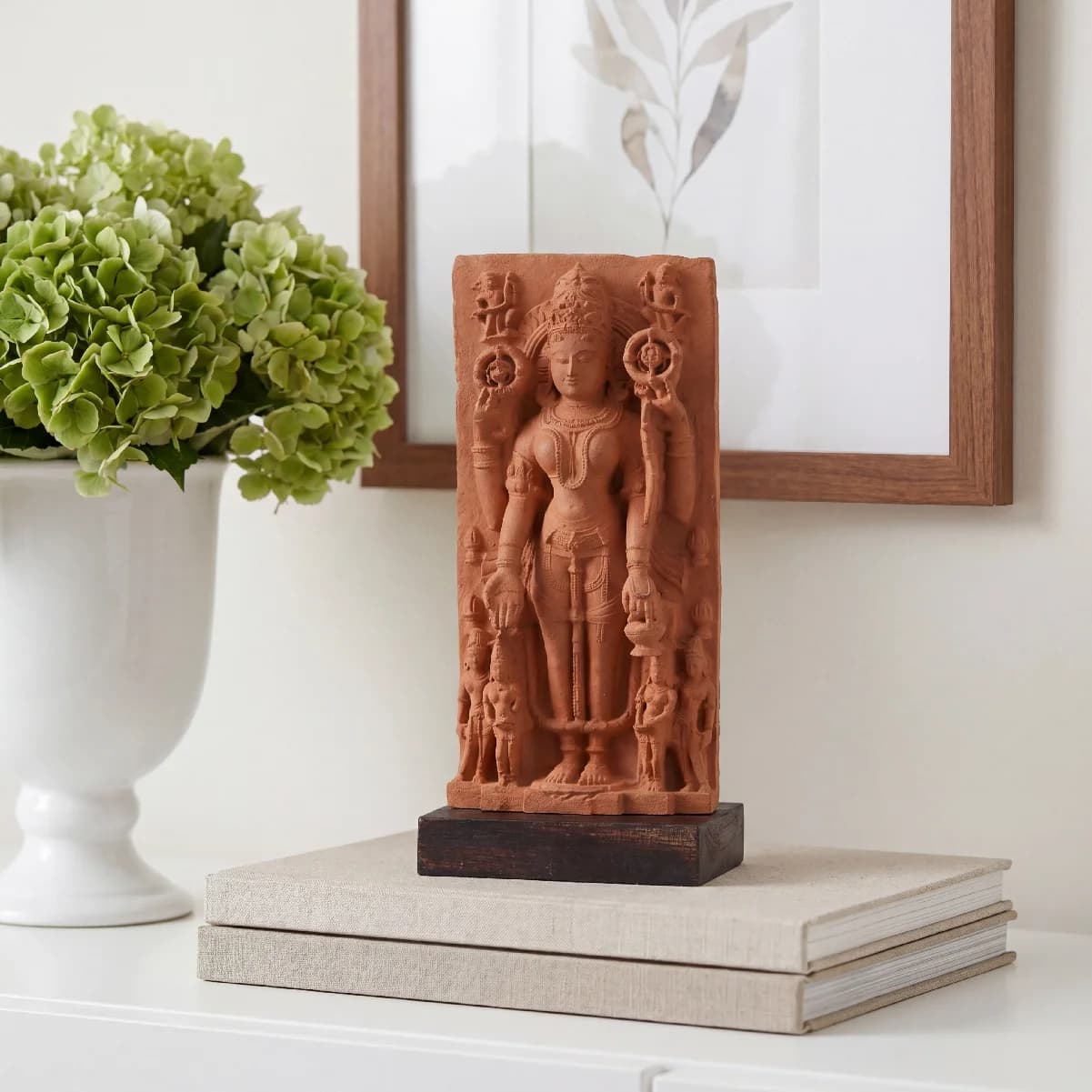
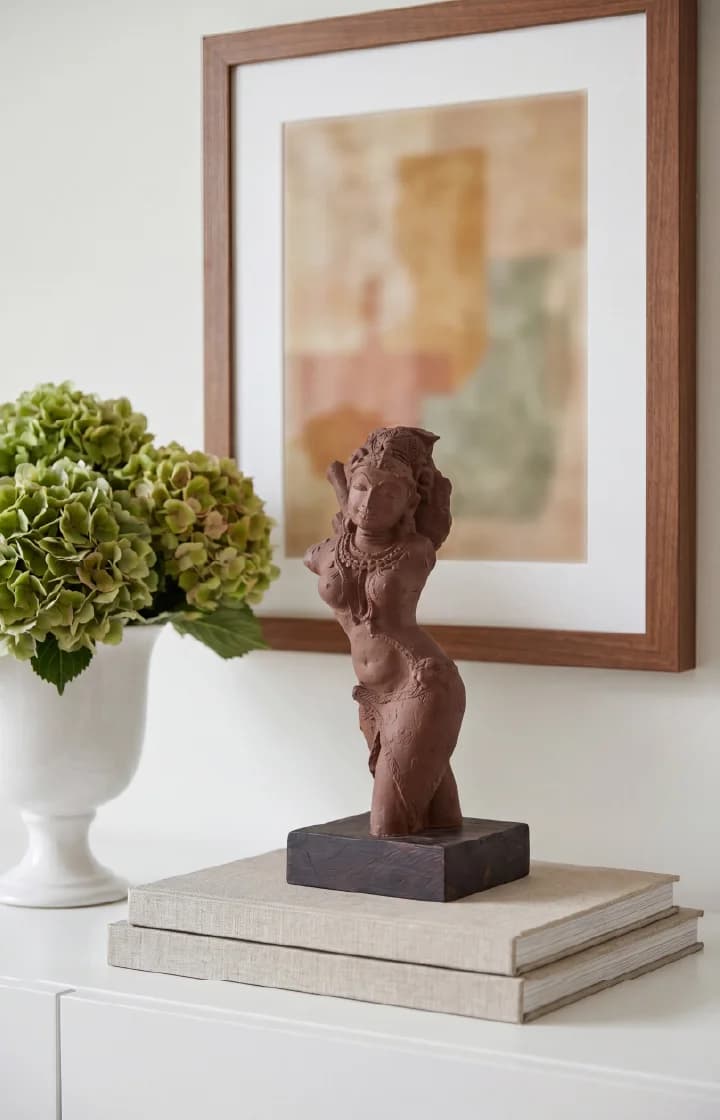
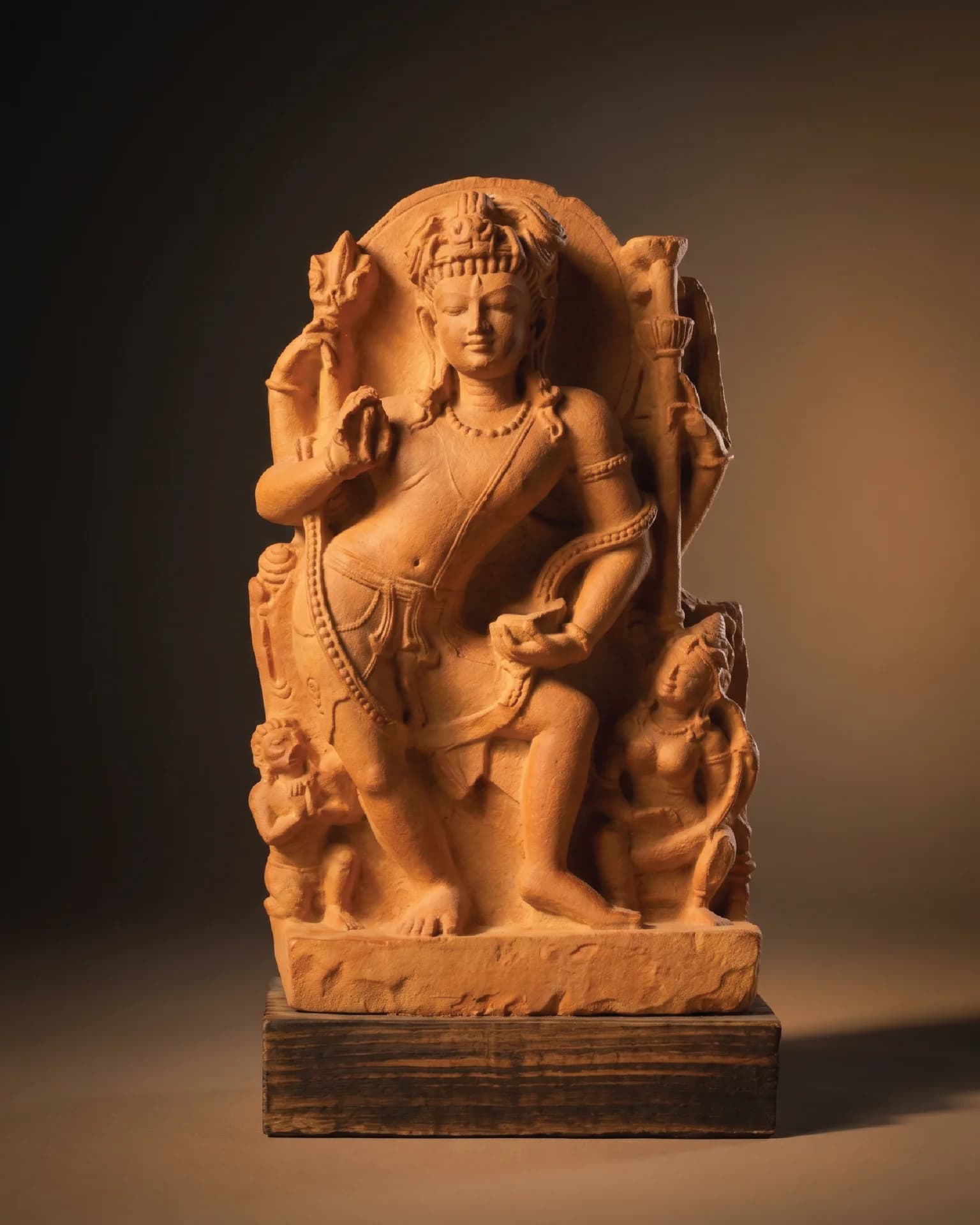
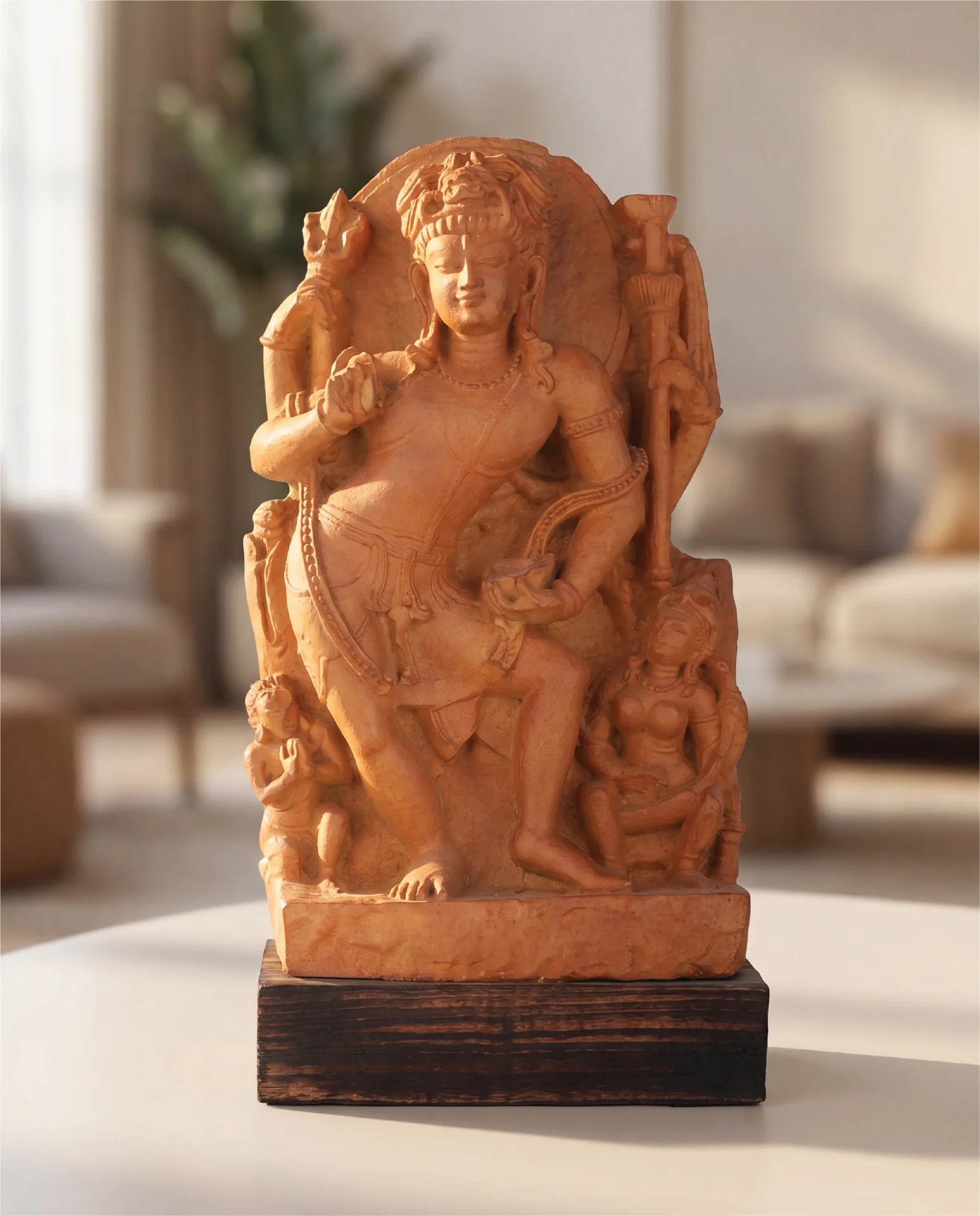
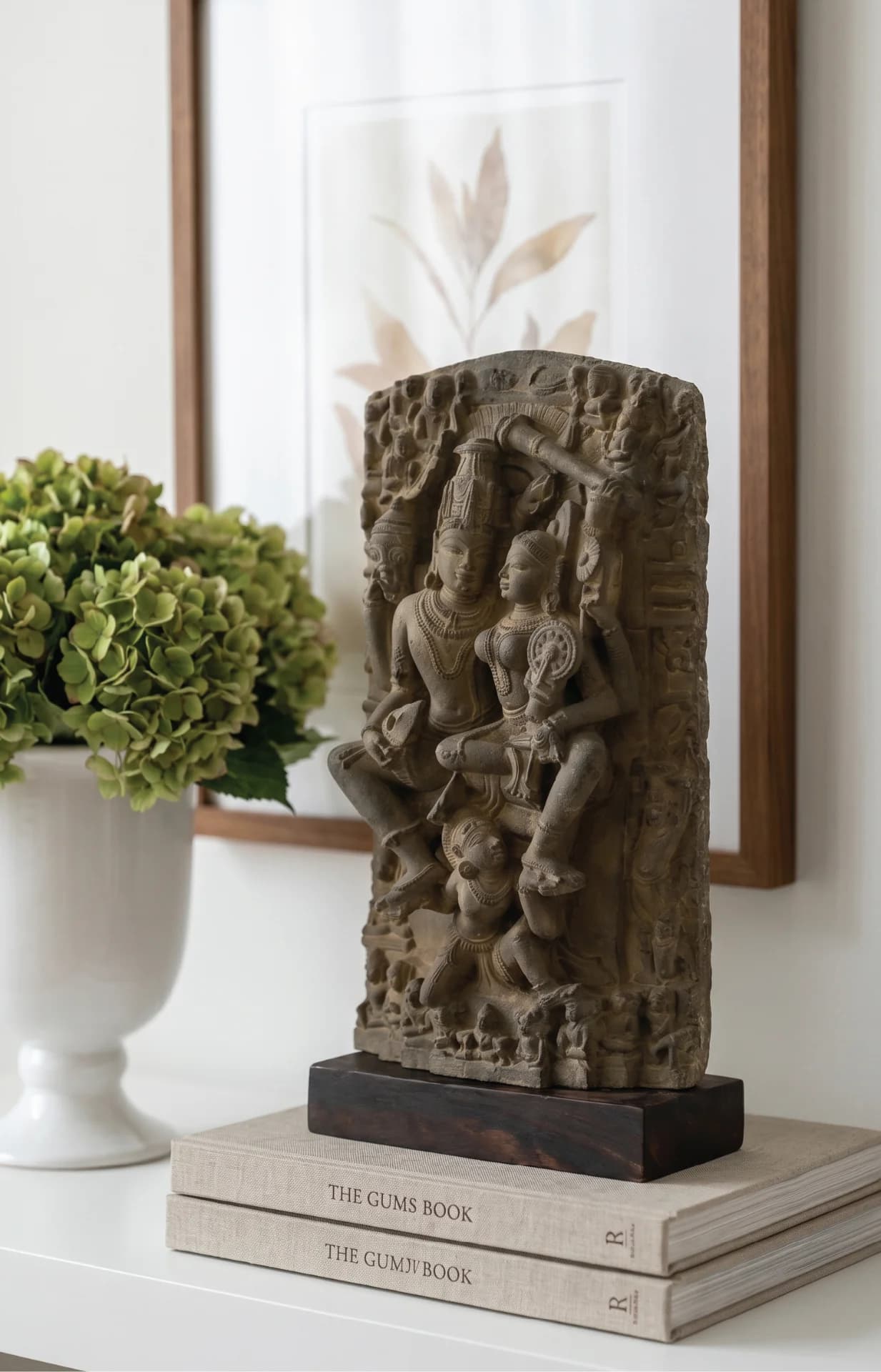
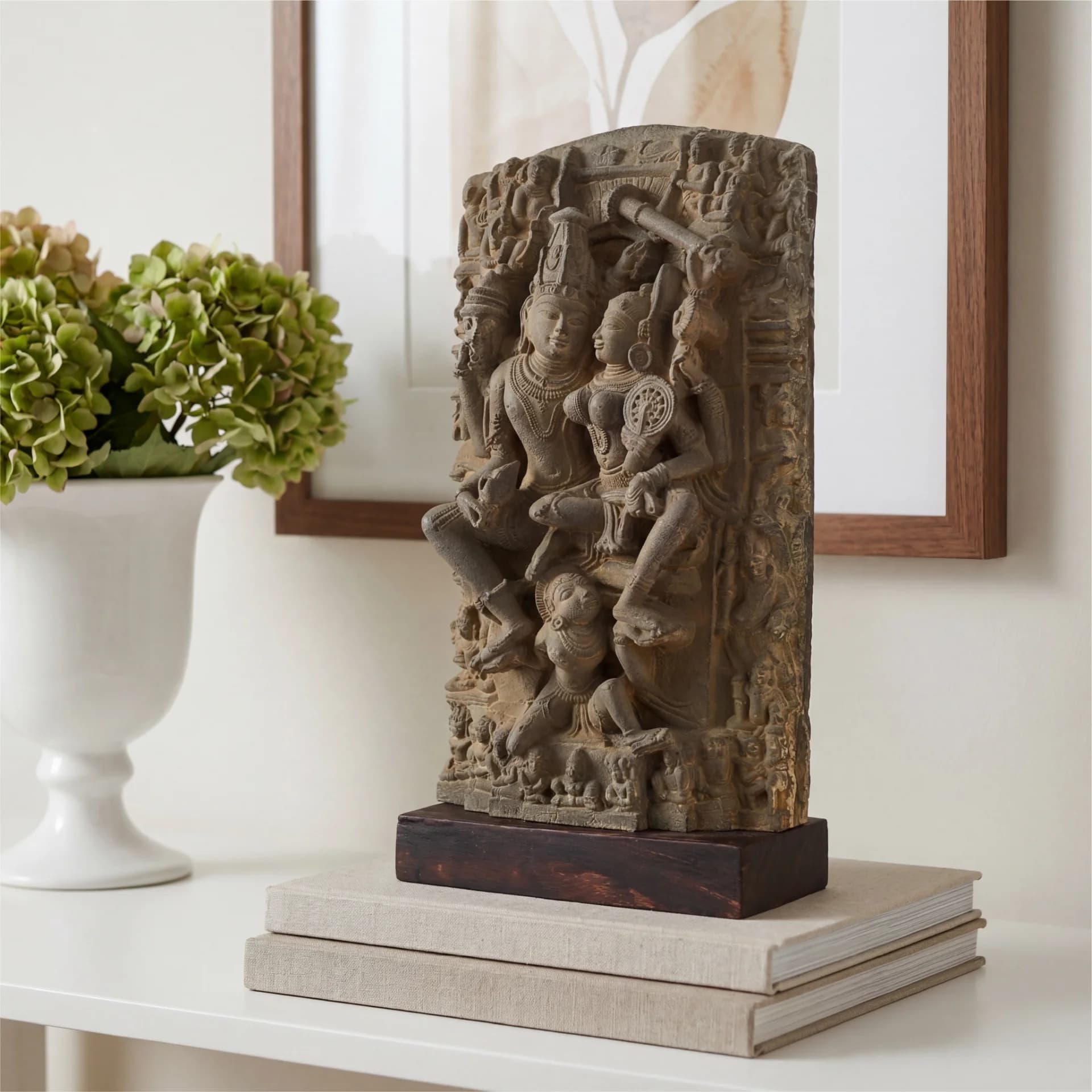
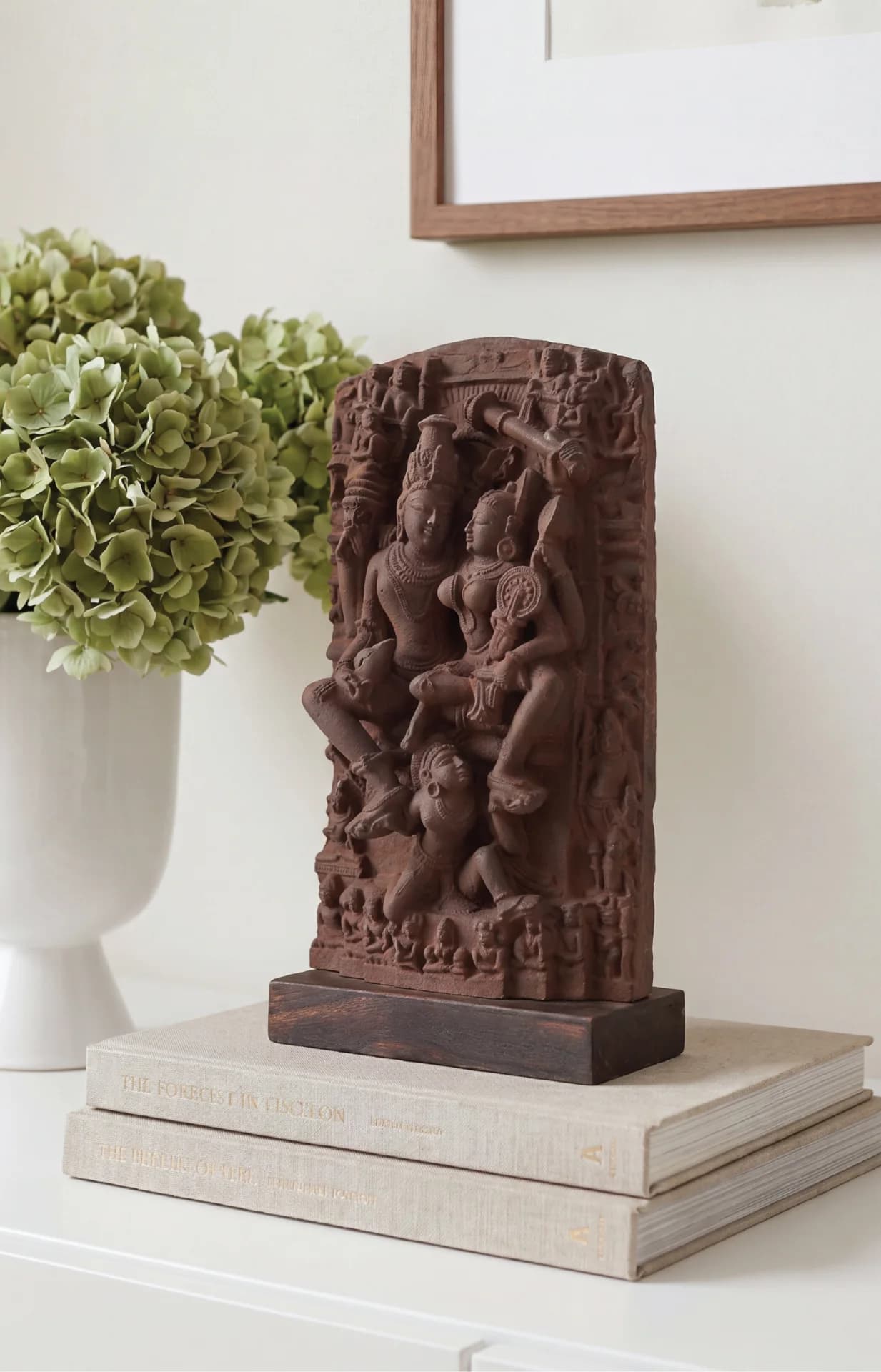
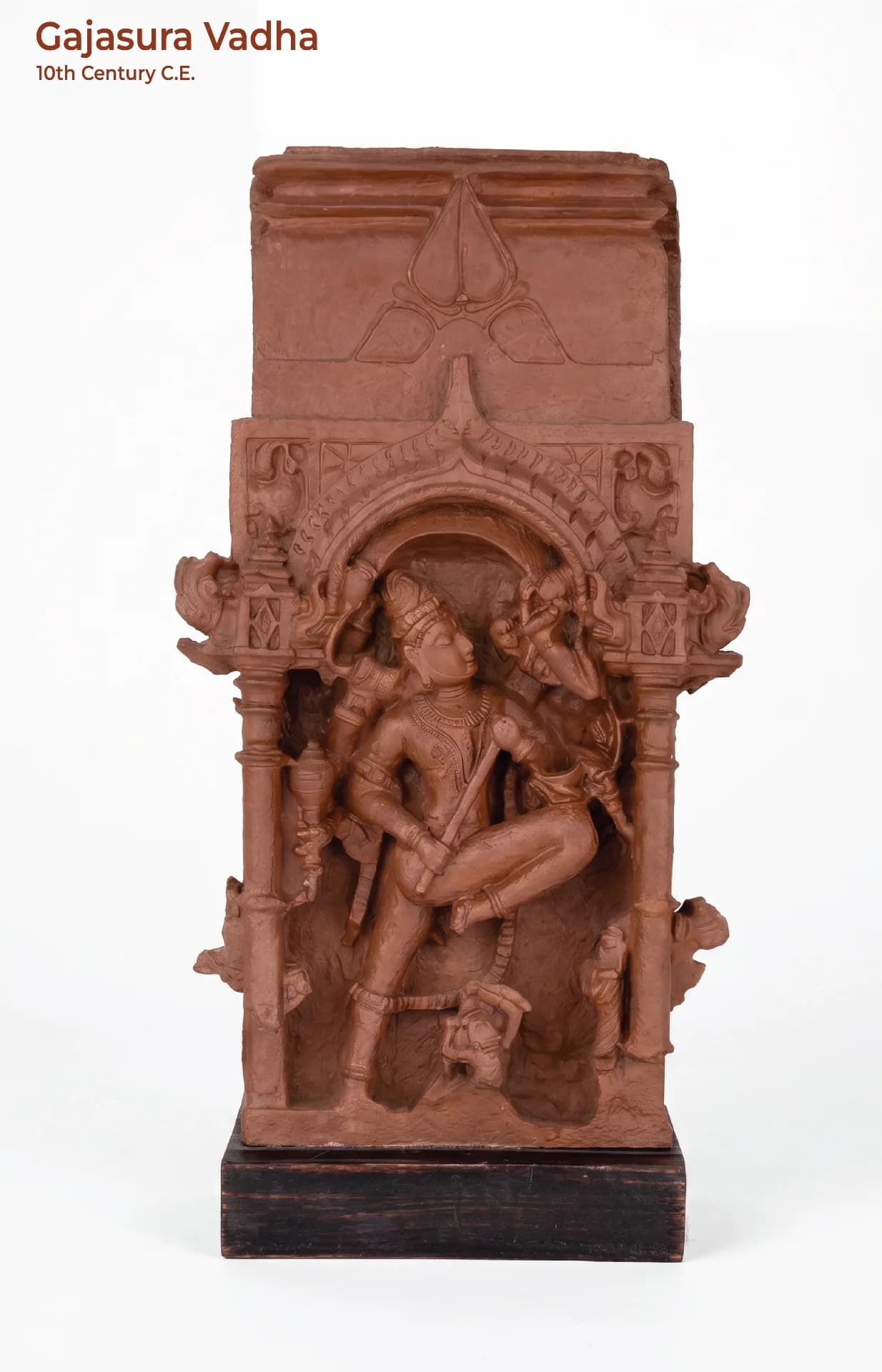
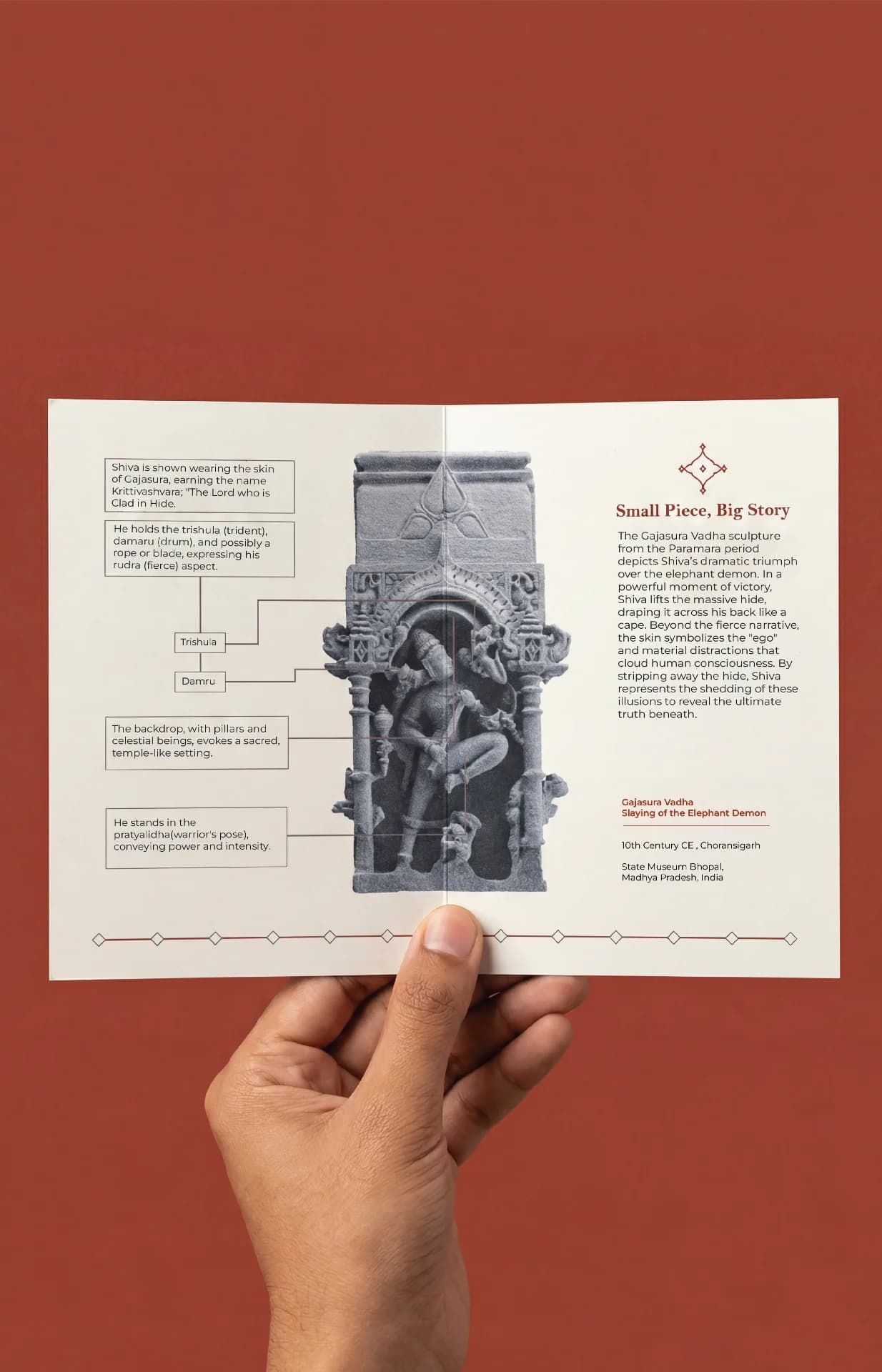
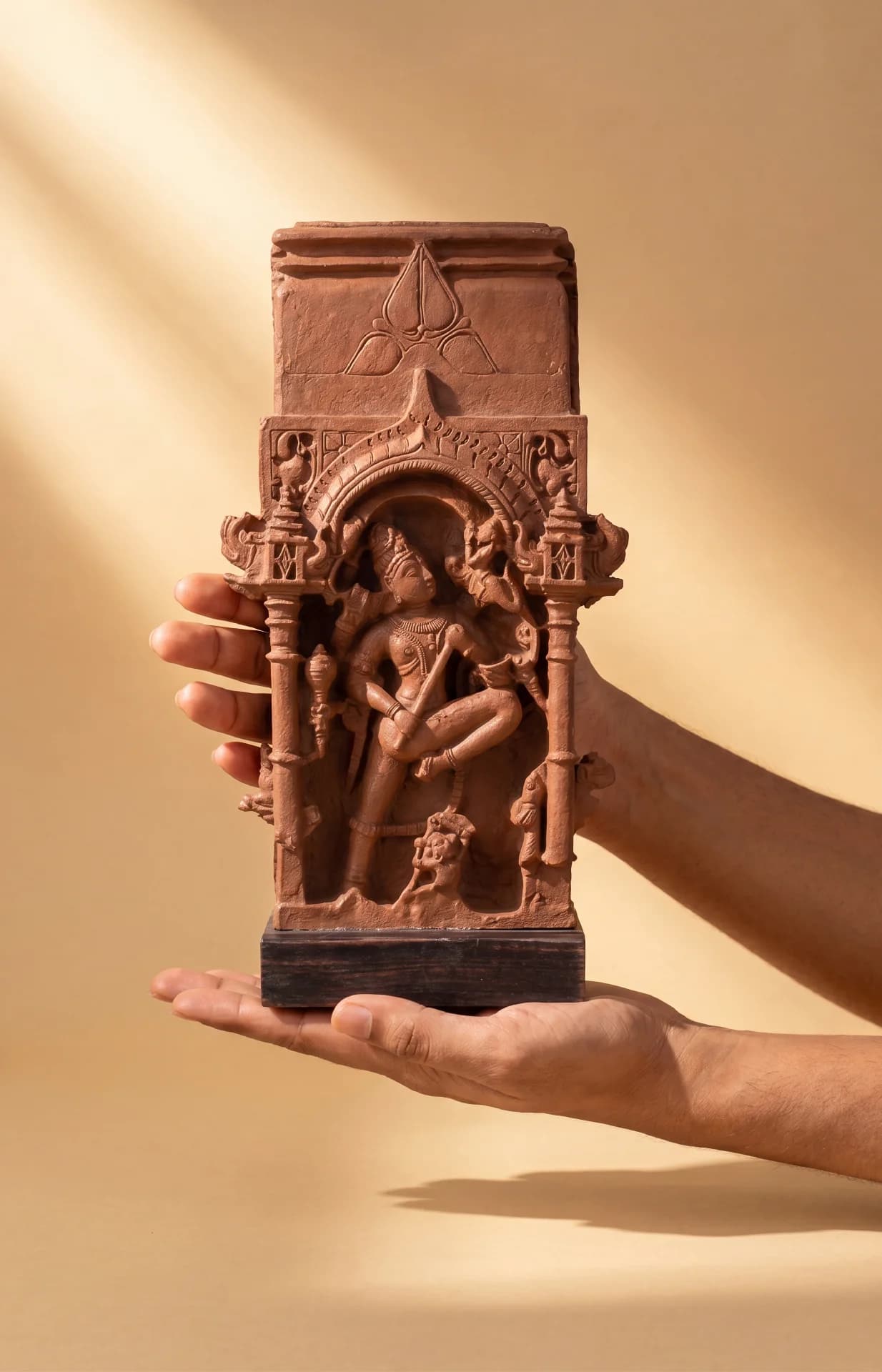
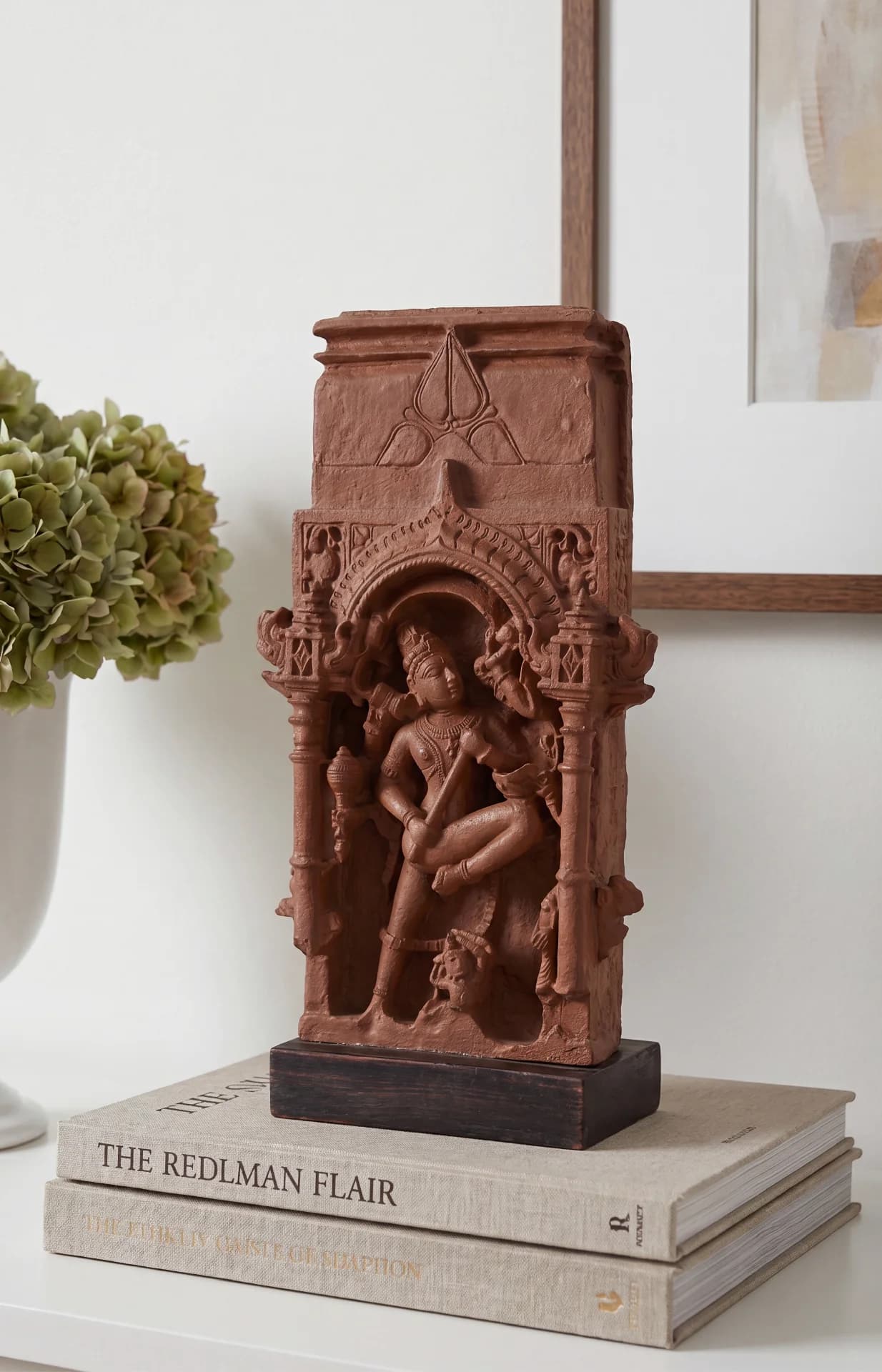
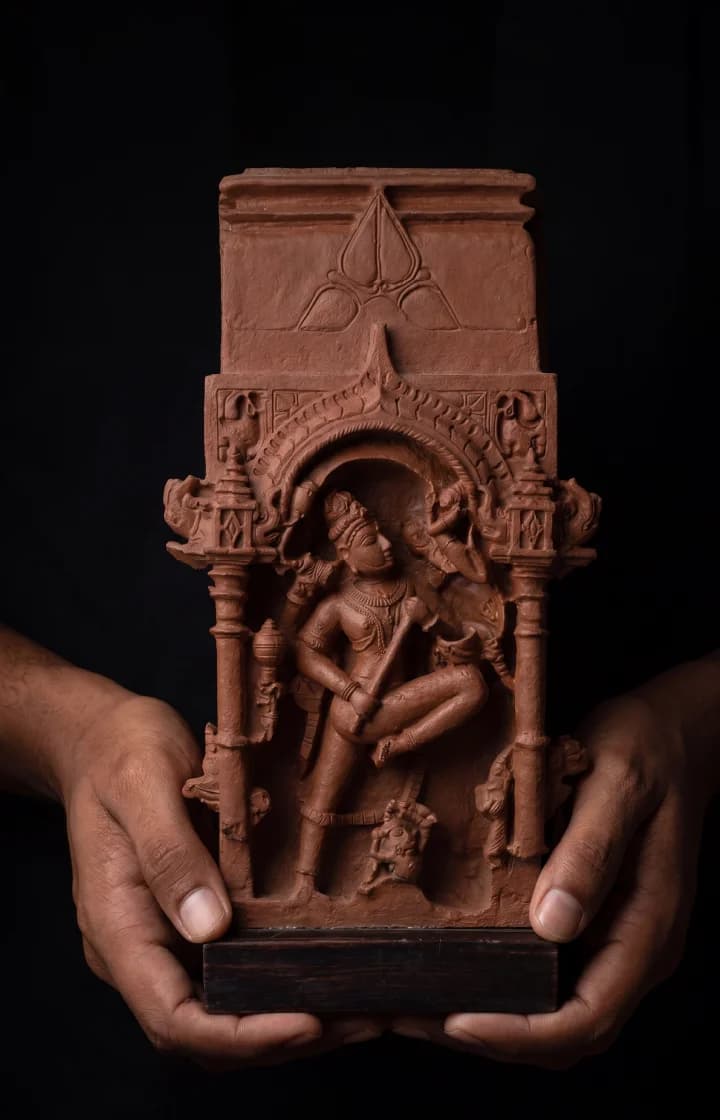
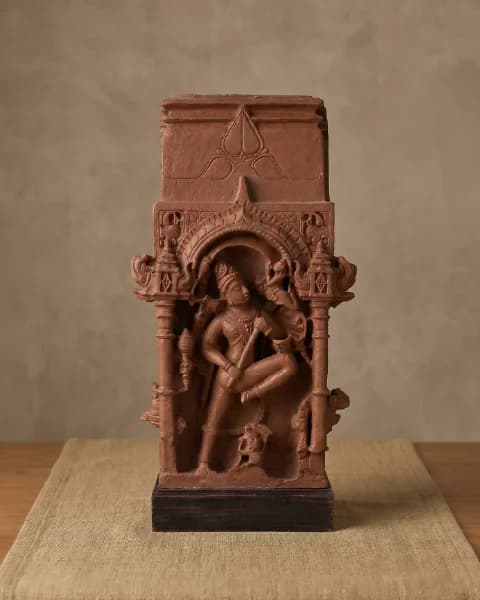
- Gajasura Vadha (Slaying of the Elephant Demon)
- Origin
- 10th Century C.E., Choransigarh, Mandsaur
- Currently at
- State Museum Bhopal
About this piece
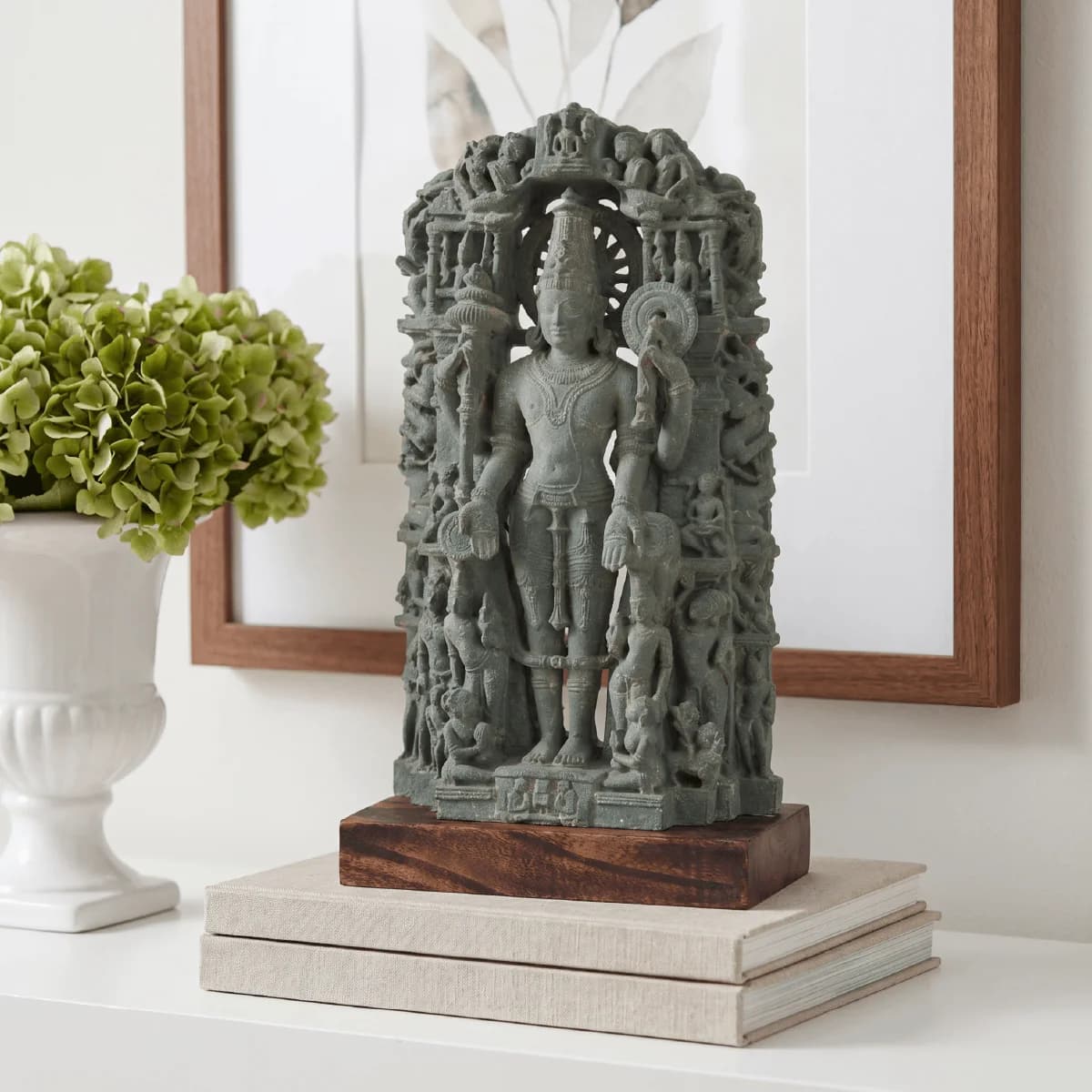
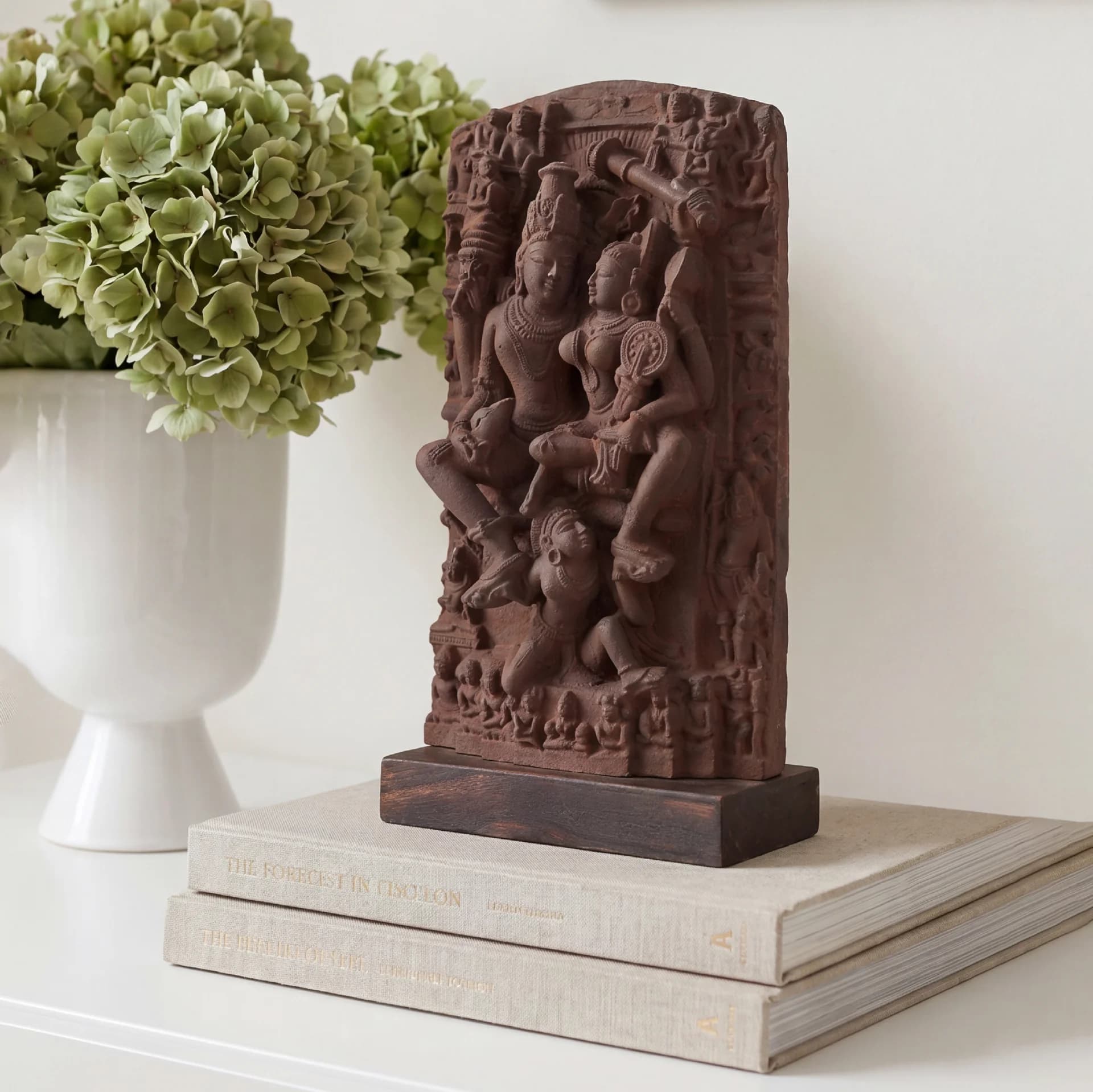
The Gajasura Vadha sculpture is a depiction of puranic stories. Gajasura was the son of Mahishasura. To avenge his father's death, Gajasura did immense penance to become invincible. Impressed by his devotion and dedication, Brahma granted his wish. After gaining the boon, Gajasura went on a rampage, disturbing the innocent god-fearing people of Varanasi. To rescue people from the beast on the loose, Shiva decided to intervene. Seeing his death near, Gajasura submitted his arrogance and prayed to Shiva to wear his hide and take the name Krittivashvara. It means one who wears skin as a garment. This incident is immortalized in stone in the form of Gajasura Vadha. Indian art is full of symbolism related to religion or philosophies. Here, Shiva is in warrior form, killing the elephant demon. The elephant is the representation of the Tamas energy. It is the heaviest energy, full of delusion and ignorance. The thick skin was impenetrable like the material world, stopping him from seeing the truth. By flaying the elephant, Shiva stripped away that layer. It allows divine light to reach him and leads him to liberation. To get the divine blessing, one needs to give up the tamas. It is the negative energy that is stopping you from attaining Nirvana. Shiva is the liberator. He kills anything that comes in the way of liberation. Thus, vanquishing the elephant demon was much needed to get ultimate peace.
Reviews
Mitesh M
Verified Purchase
8 months ago
How elegantly this piece has captured the beautiful story. We need such pieces to preserve our stories, culture and value. It is an interesting way to pass on stories to the upcoming generations. Keep up the good work!
Mitesh M
Verified Purchase
8 months ago
How elegantly this piece has captured the beautiful story. We need such pieces to preserve our stories, culture and value. It is an interesting way to pass on stories to the upcoming generations. Keep up the good work!