/
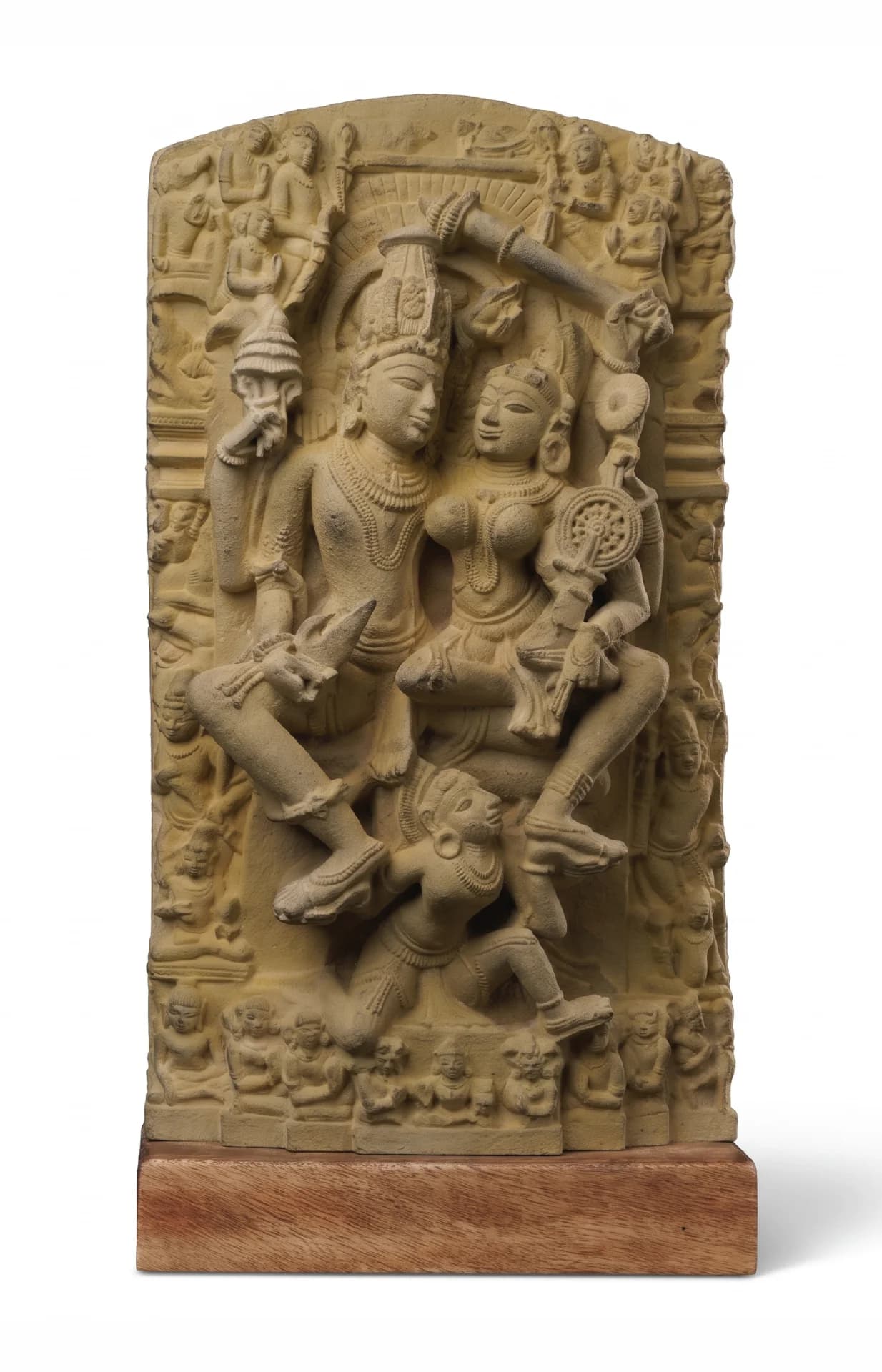
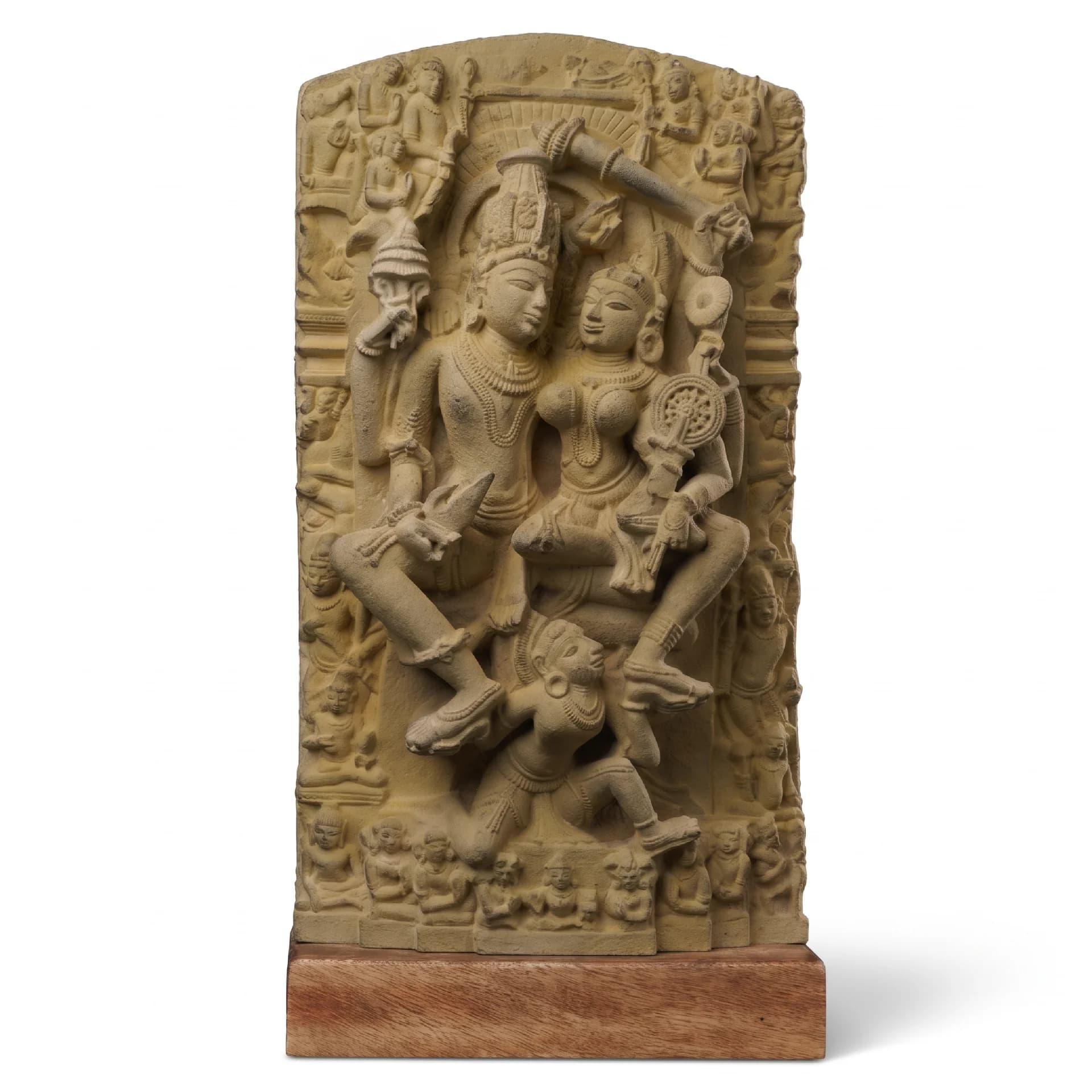
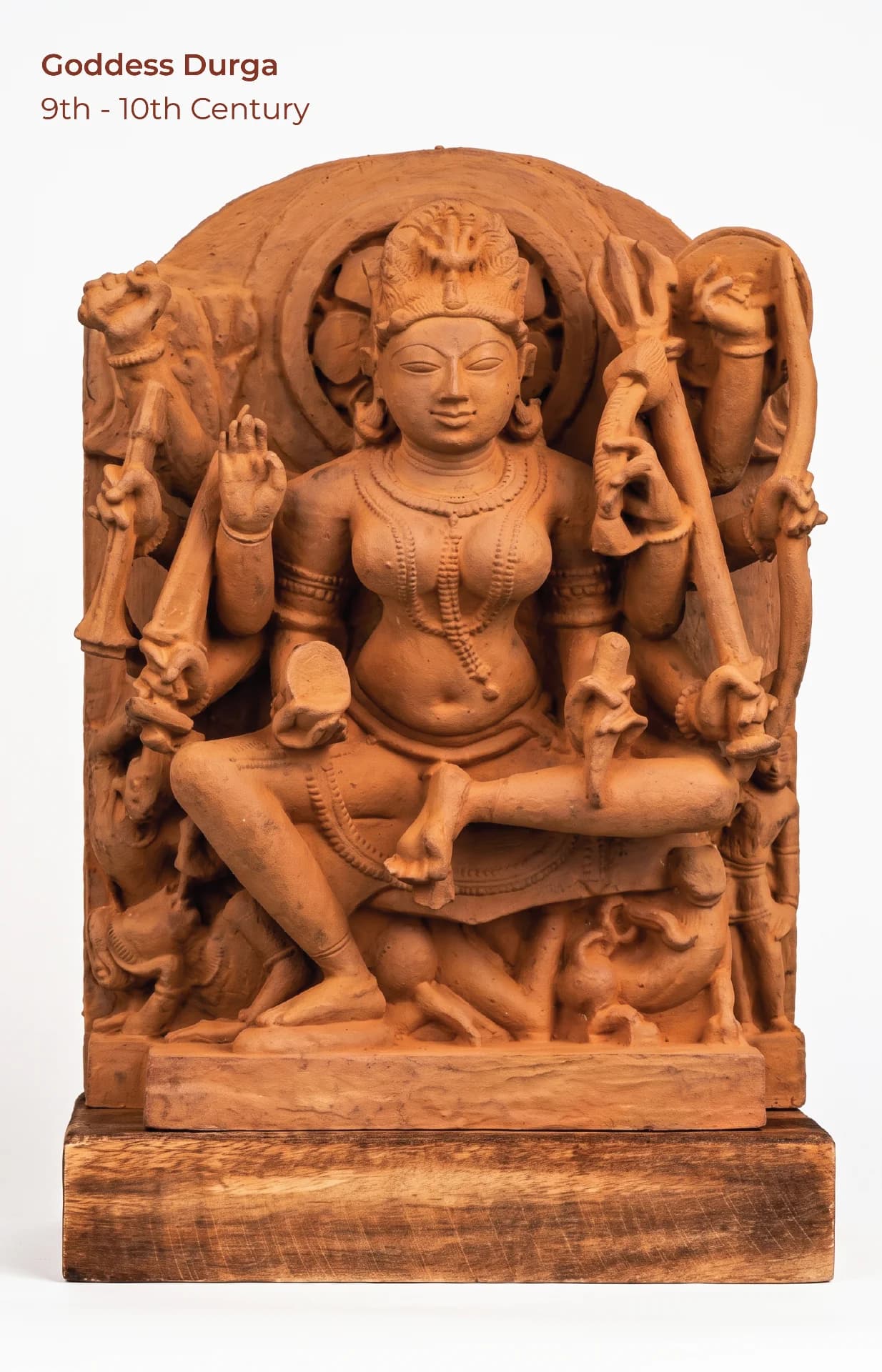
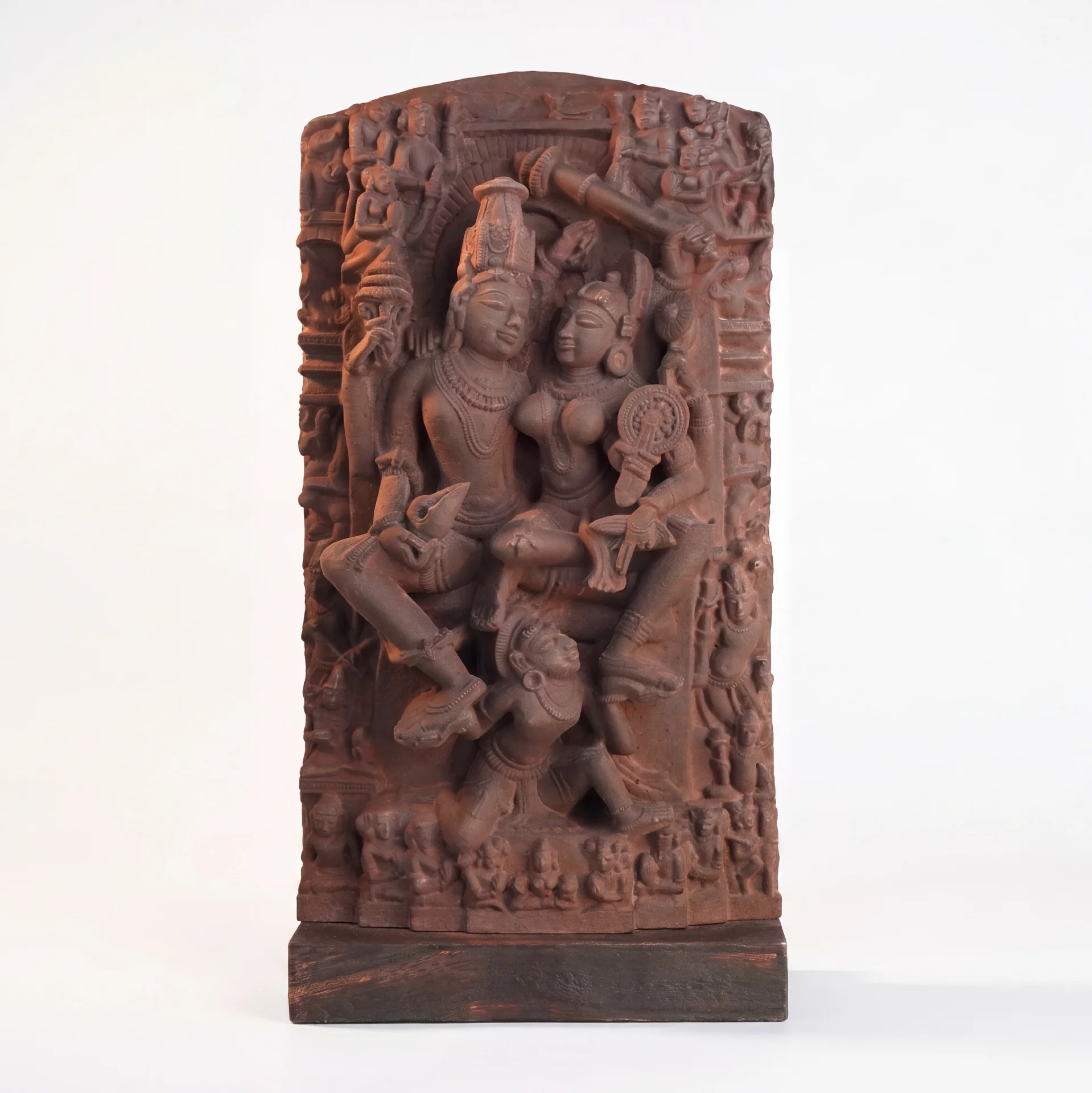
A front view of the Goddess Durga Sculpture, a hand-finished stone replica featuring intricate medieval-style carvings and iconography.
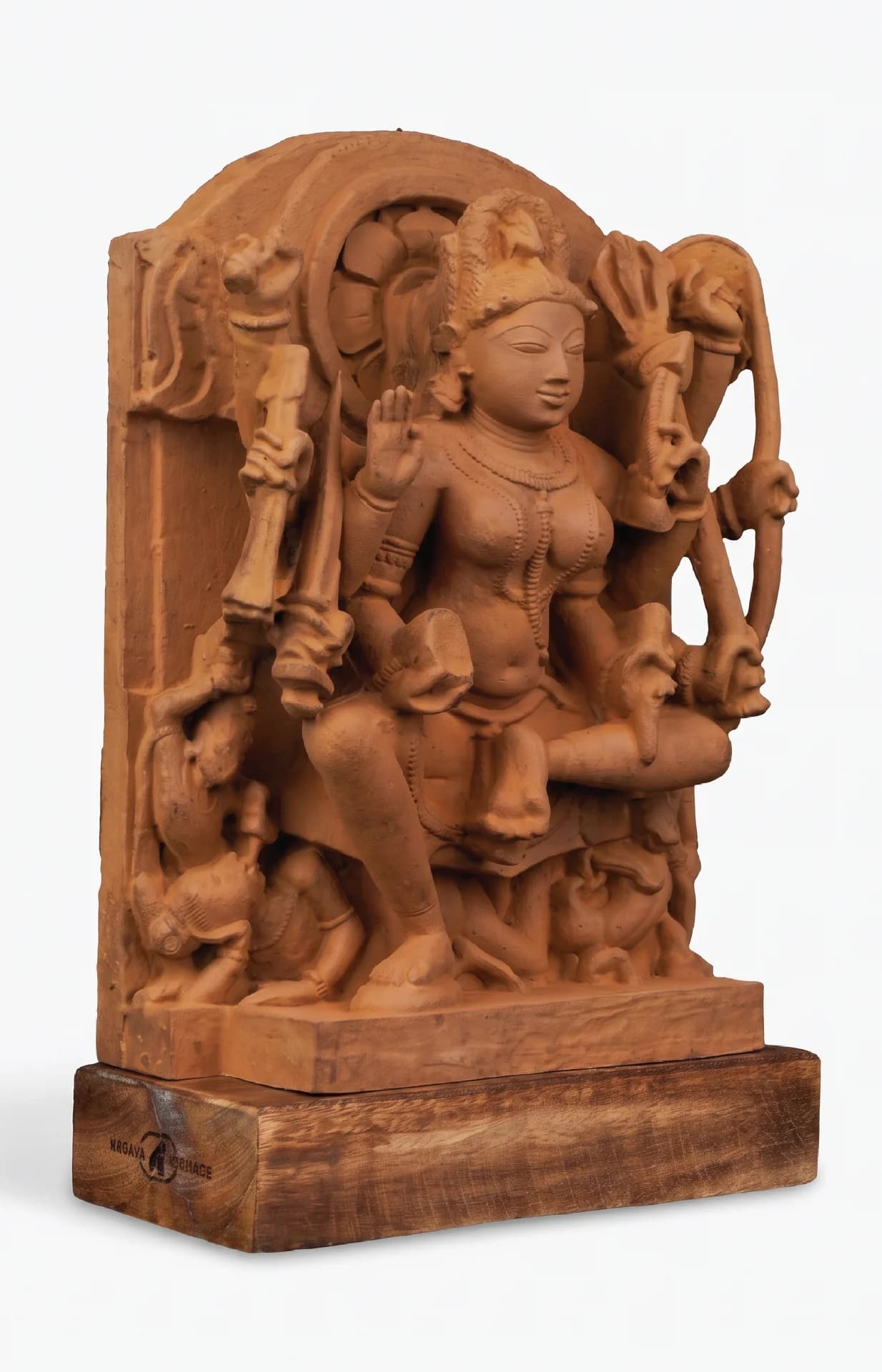
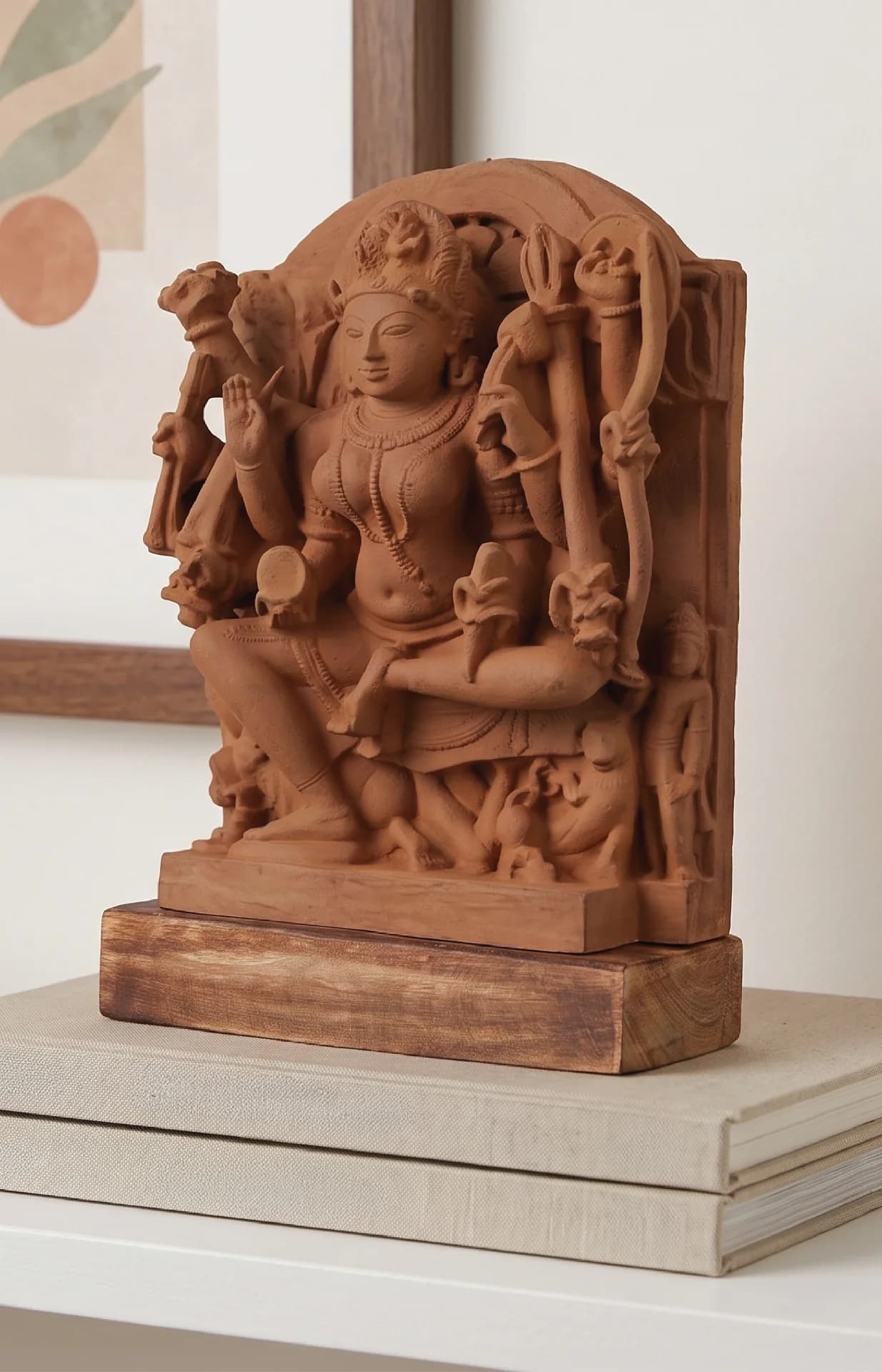
A three-quarter view of the Goddess Durga Sculpture, a hand-finished stone replica featuring intricate medieval carvings and attendants.
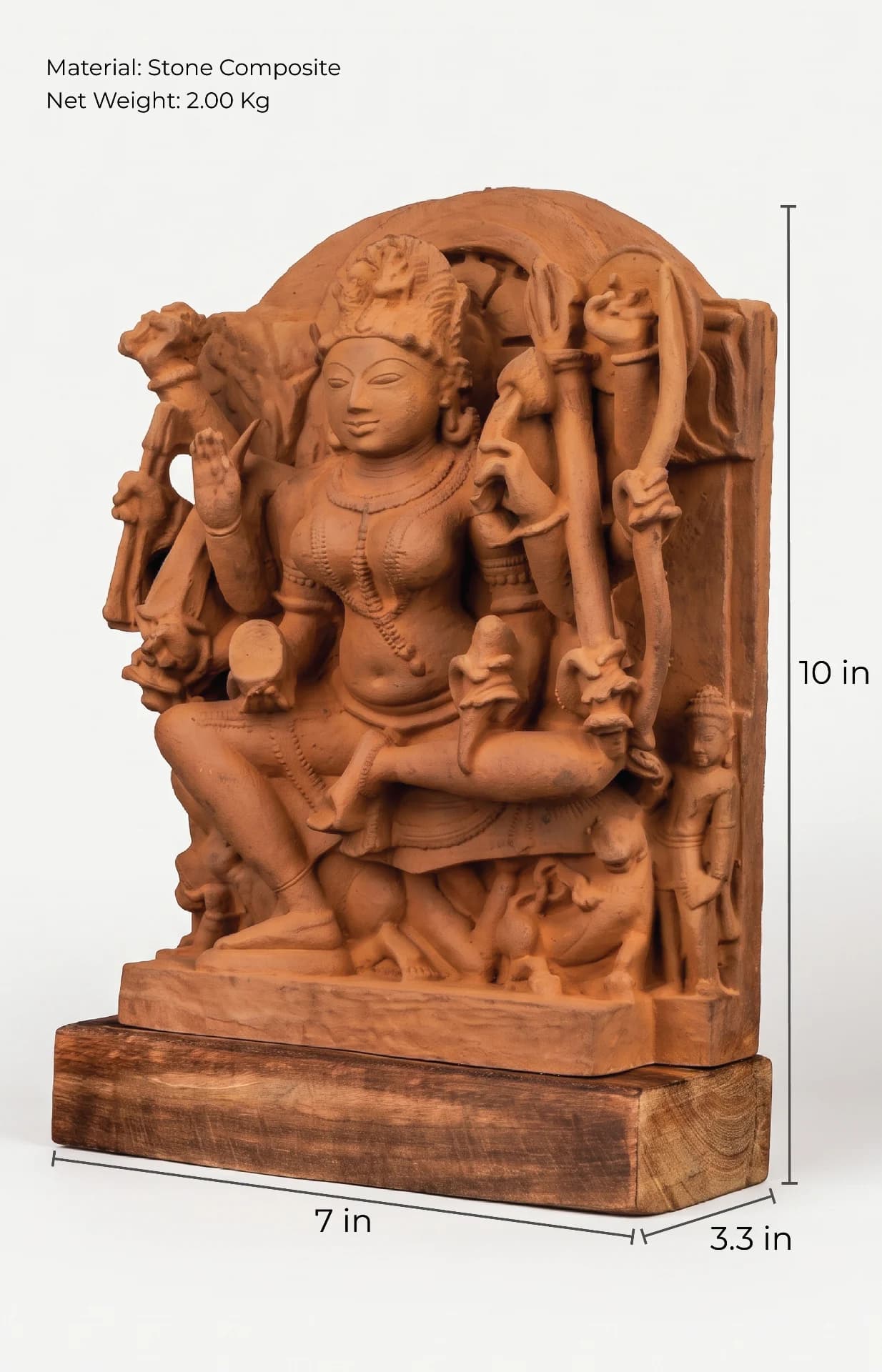
A front-facing view of the Goddess Durga Sculpture, a hand-finished stone composite replica featuring detailed measurements for scale.
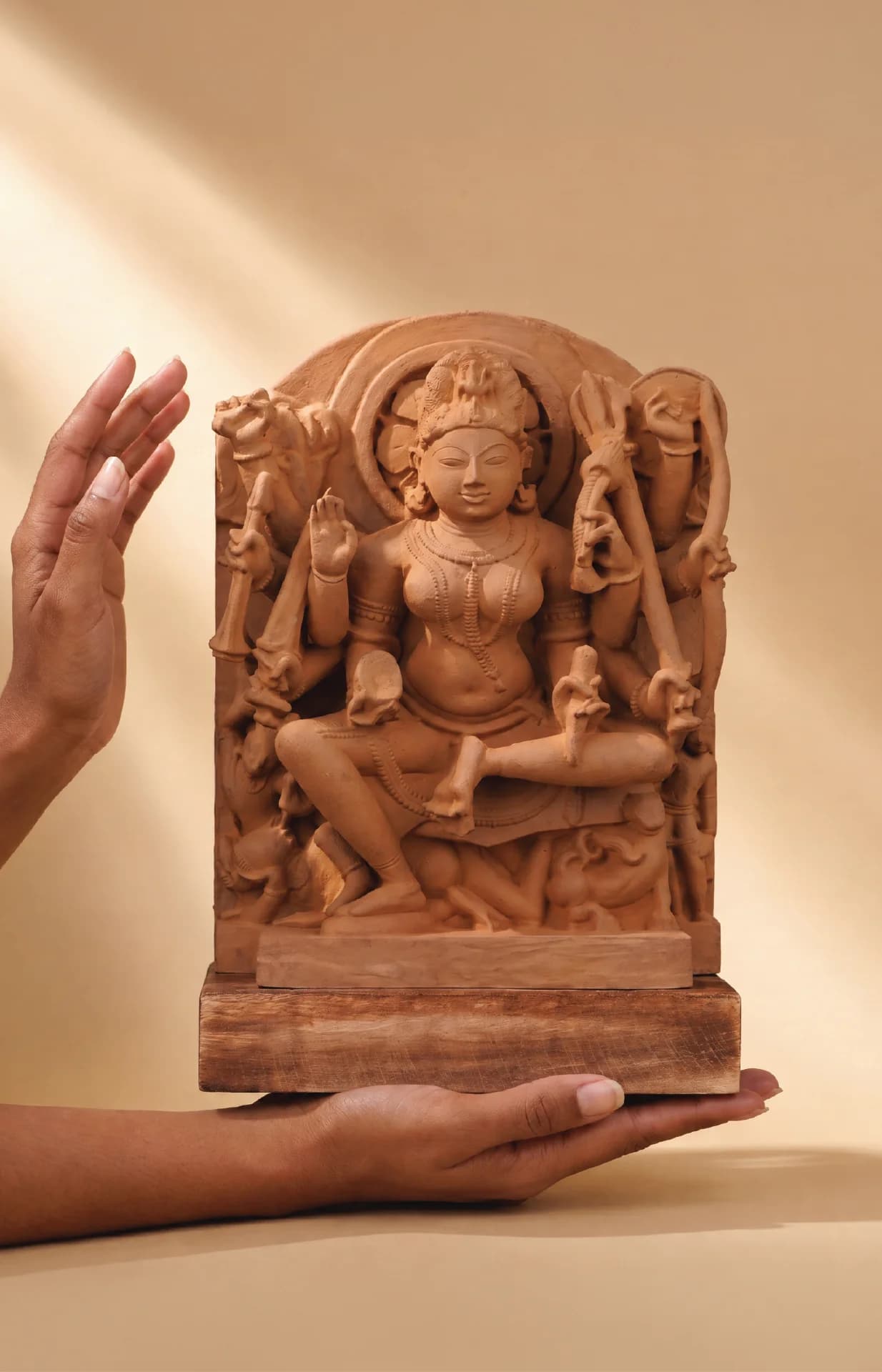
A person holds a hand-finished stone Goddess Durga Sculpture, showcasing the intricate medieval-style carvings and seated lalitasana pose.
A three-quarter view of the Goddess Durga Sculpture, a hand-finished stone replica featuring intricate carvings of the deity.
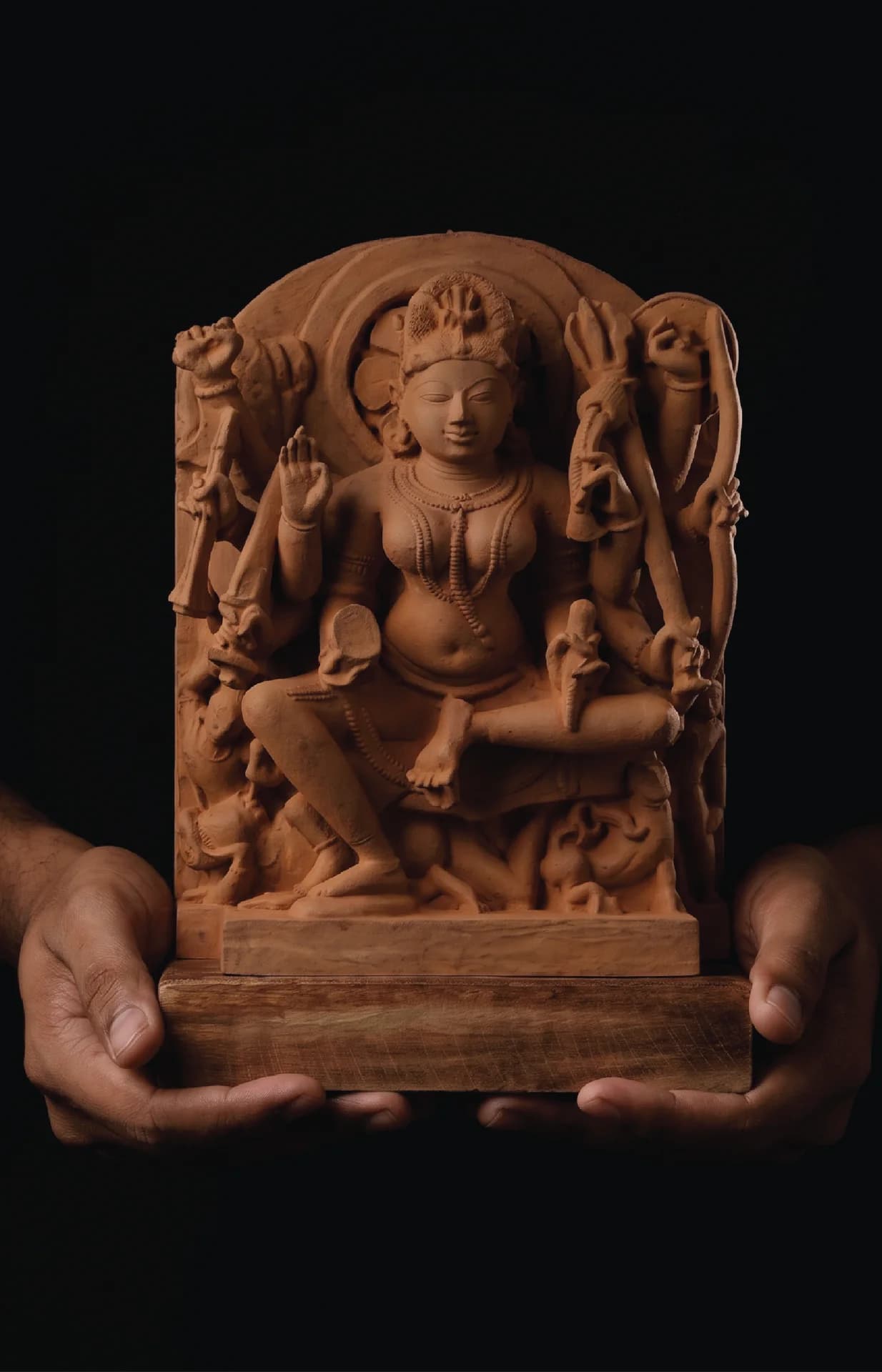
A pair of hands holds a stone Goddess Durga Sculpture, showcasing its intricate carved details and medieval artistic style.
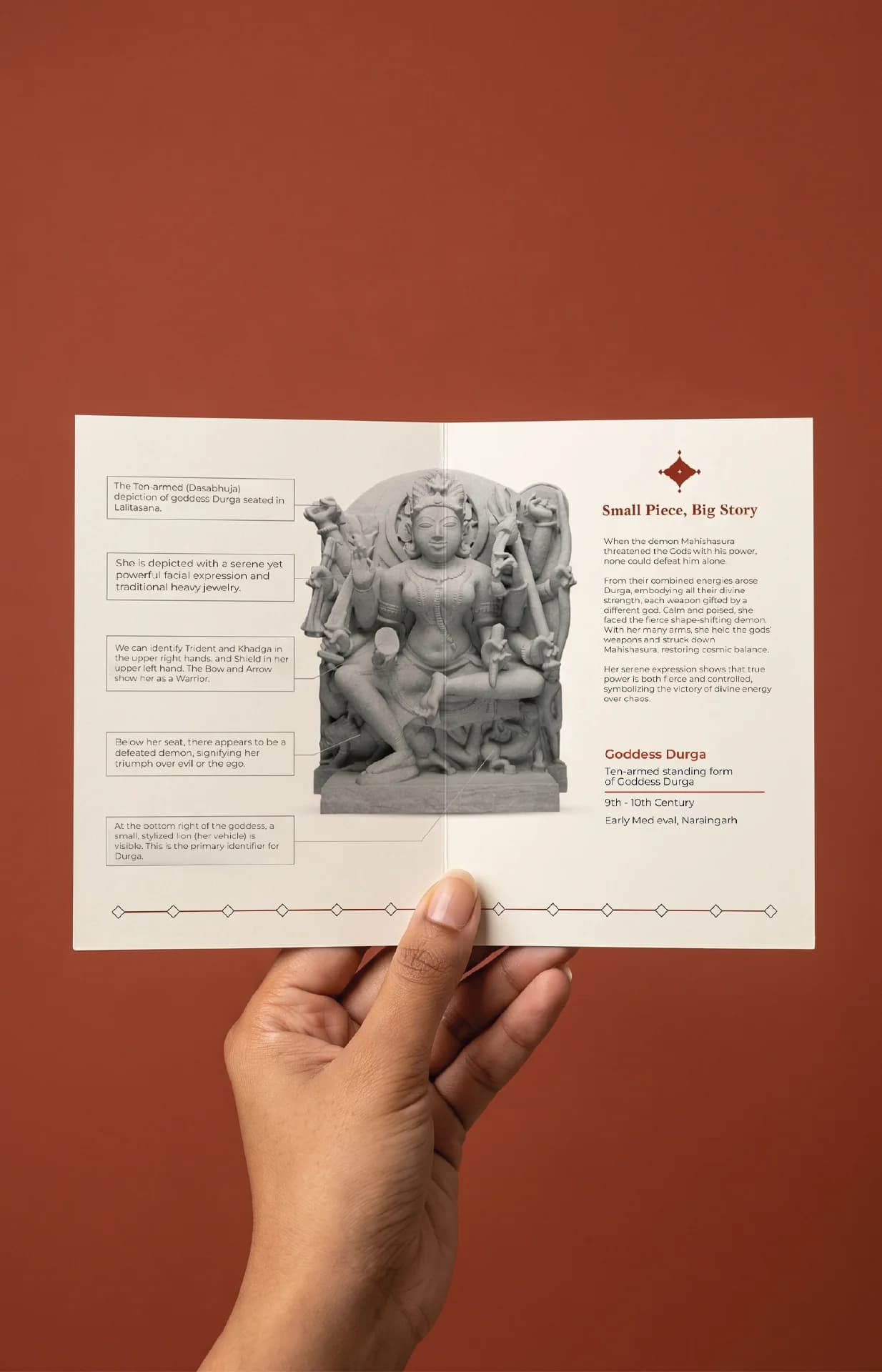
A hand holds an informational card featuring the Goddess Durga Sculpture, highlighting historical details of this stone-carved museum replica.
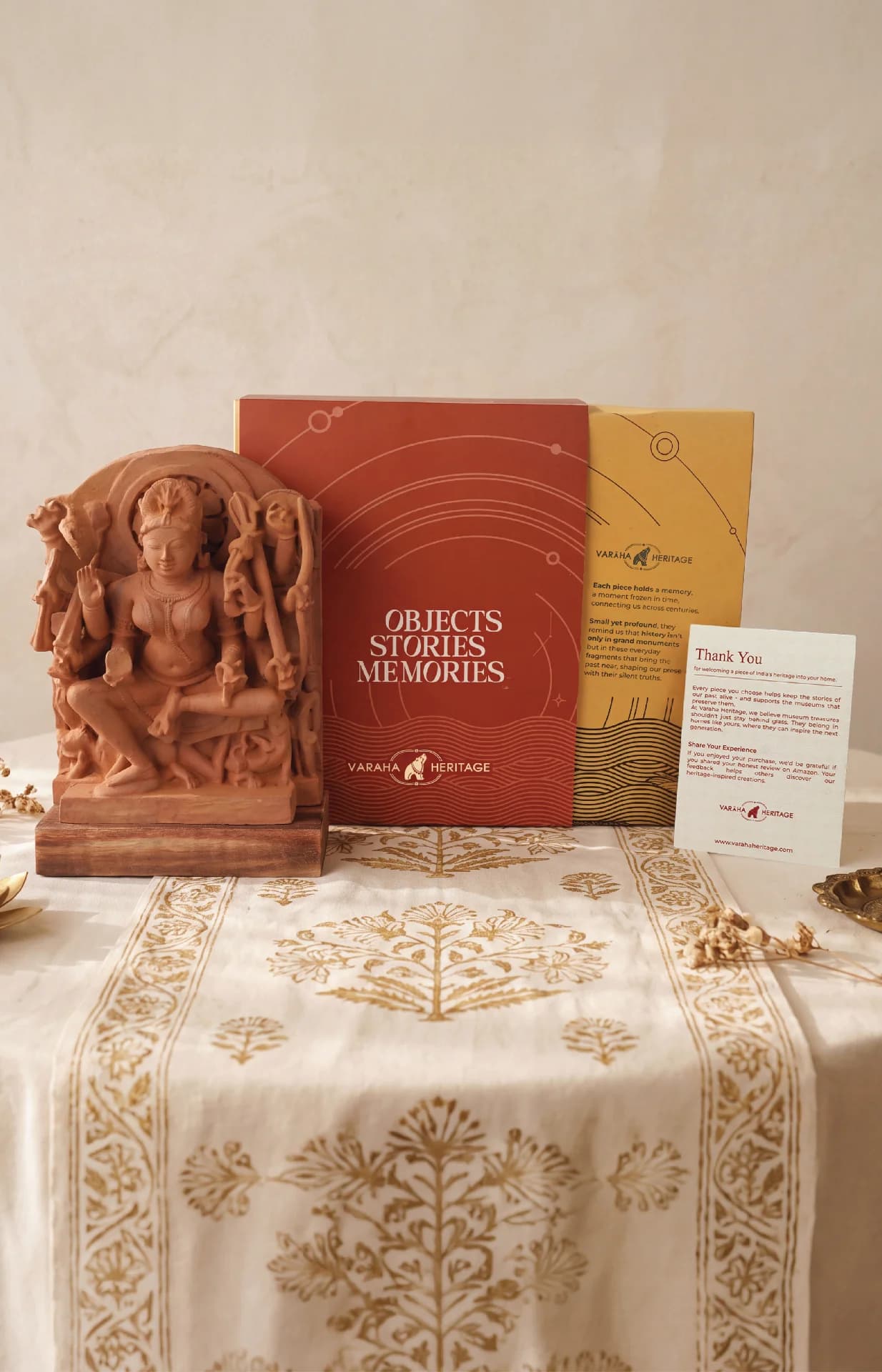
The Goddess Durga Sculpture displayed next to its branded heritage packaging and a thank you card on a table.

Goddess Durga Sculpture | Naraingarh, 9th–10th Century CE

$55.54

Inclusive of all taxes
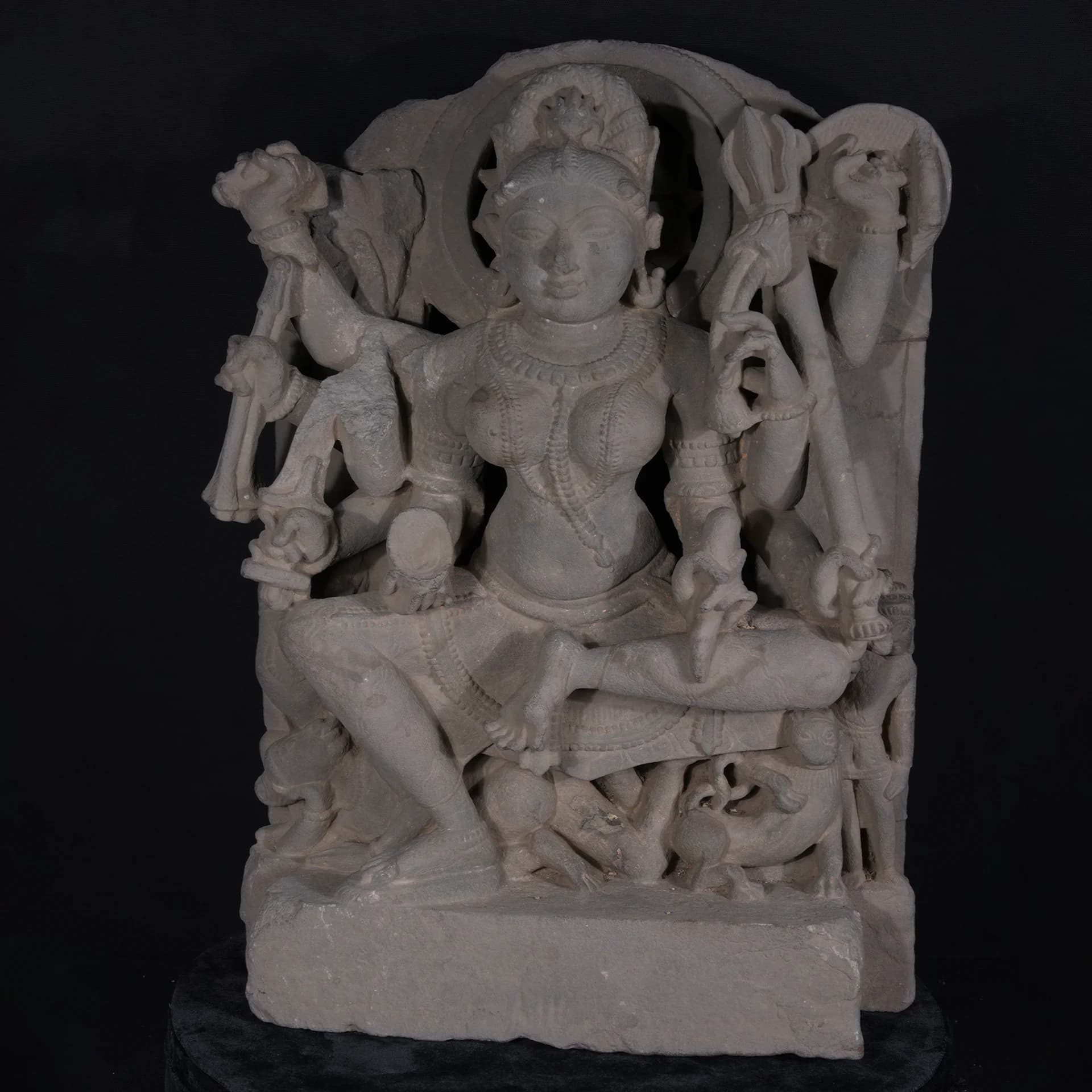
A front-facing view of the Goddess Durga Sculpture, a hand-finished stone replica featuring intricate medieval-style carvings and details.
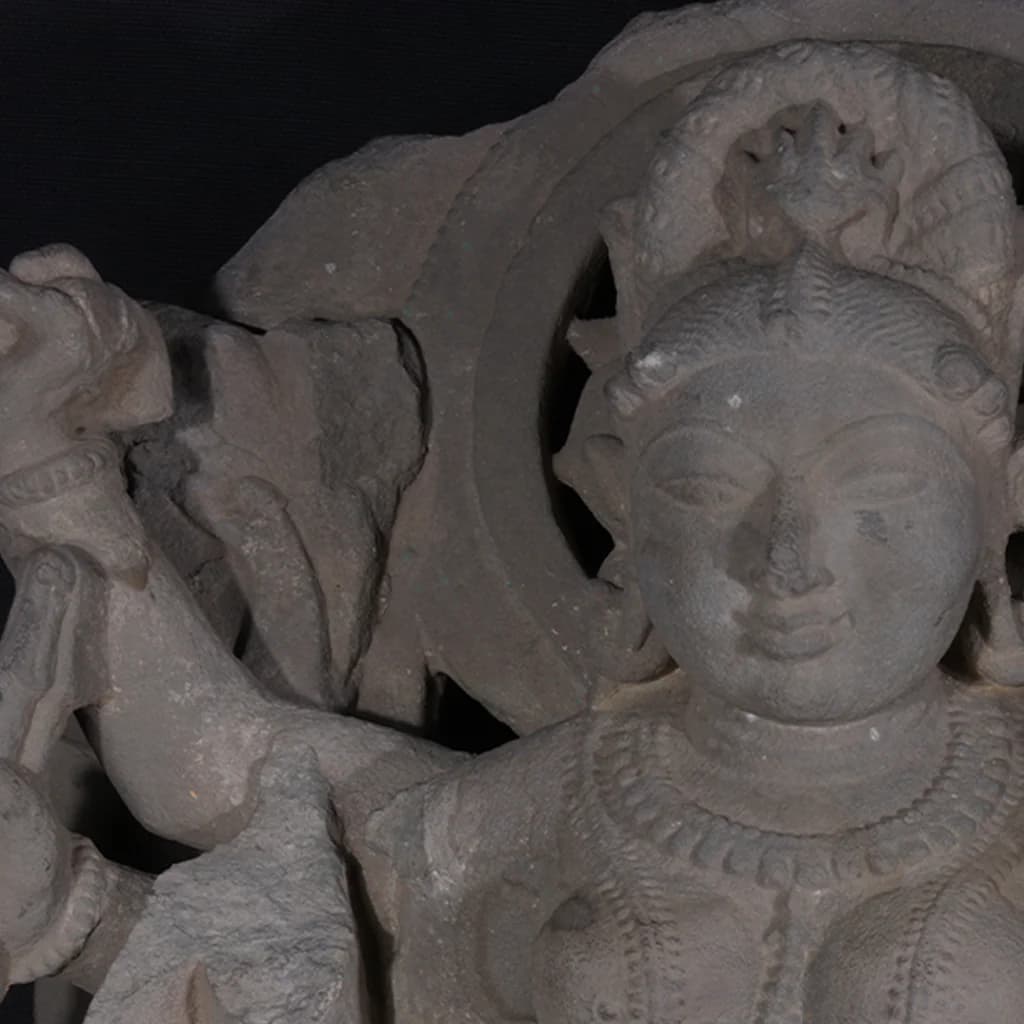
A close-up view of the Goddess Durga Sculpture, highlighting the intricate stone carving of the deity's serene face.
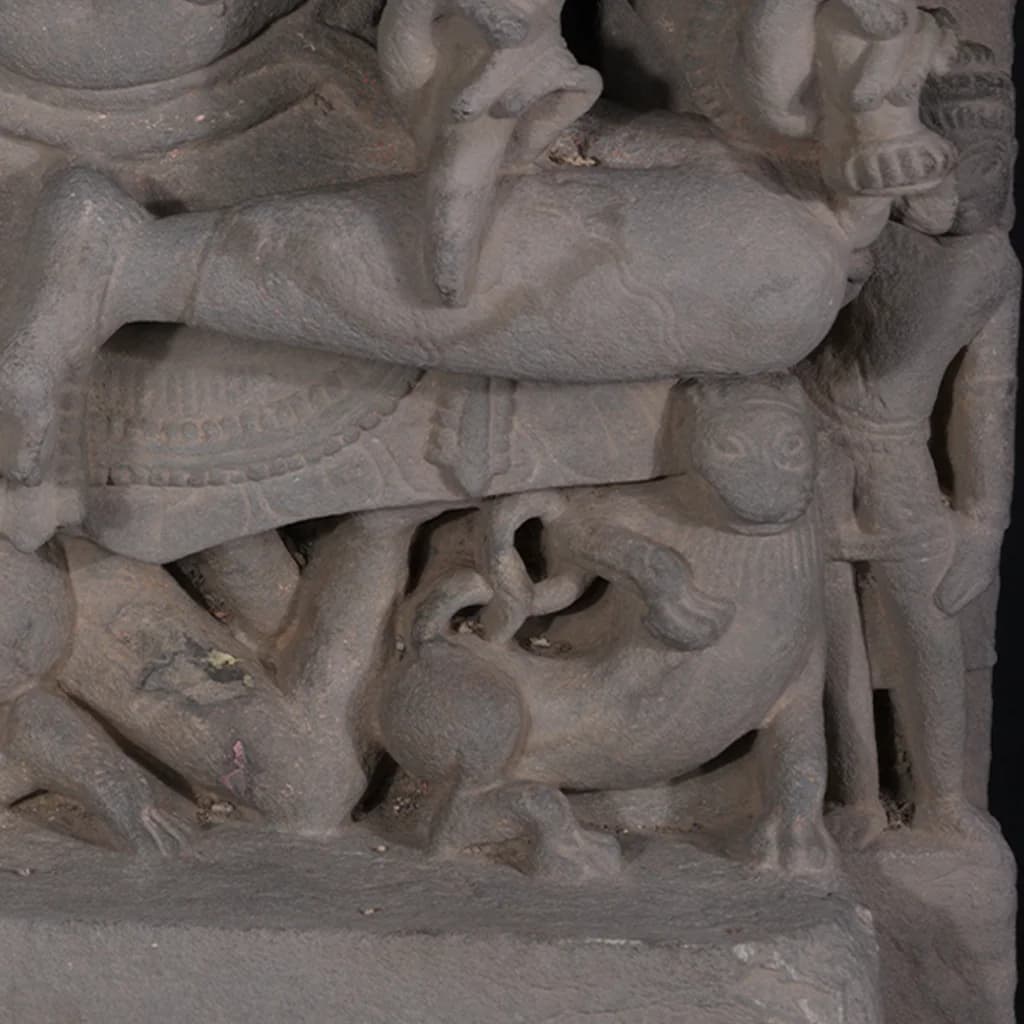
A close-up of the Goddess Durga Sculpture showing the hand-finished stone texture, featuring the goddess's leg and her lion mount.
Name
Goddess Durga Sculpture
Origin
9th-10th Century CE
Currently at
Naraingarh, Haryana

About this piece

Durga is one of the most widely worshipped forms of the Devi, embodying strength, protection, and the defeat of evil, yet she is just as often shown in moments of calm as she is in battle. This panel captures her in one such moment of ease, seated rather than standing, at rest rather than in combat. She sits in Lalitasana, one leg folded beneath her and the other resting down, a posture traditionally associated with royal repose rather than the fierce, weapon-bearing stance most people picture when they think of her battle with the demon Mahishasura. Standing attendants flank her on either side, and the whole composition is held within an arched surround, with smaller celestial figures carved above her head, a framing device common across early medieval Devi imagery that places the goddess at the centre of her own small court. Carvings like this one, recovered from sites across Haryana, point to a region where goddess worship was already well established by the early medieval period, carried forward through temple panels such as this that have survived the centuries largely intact.
Also Bought Together