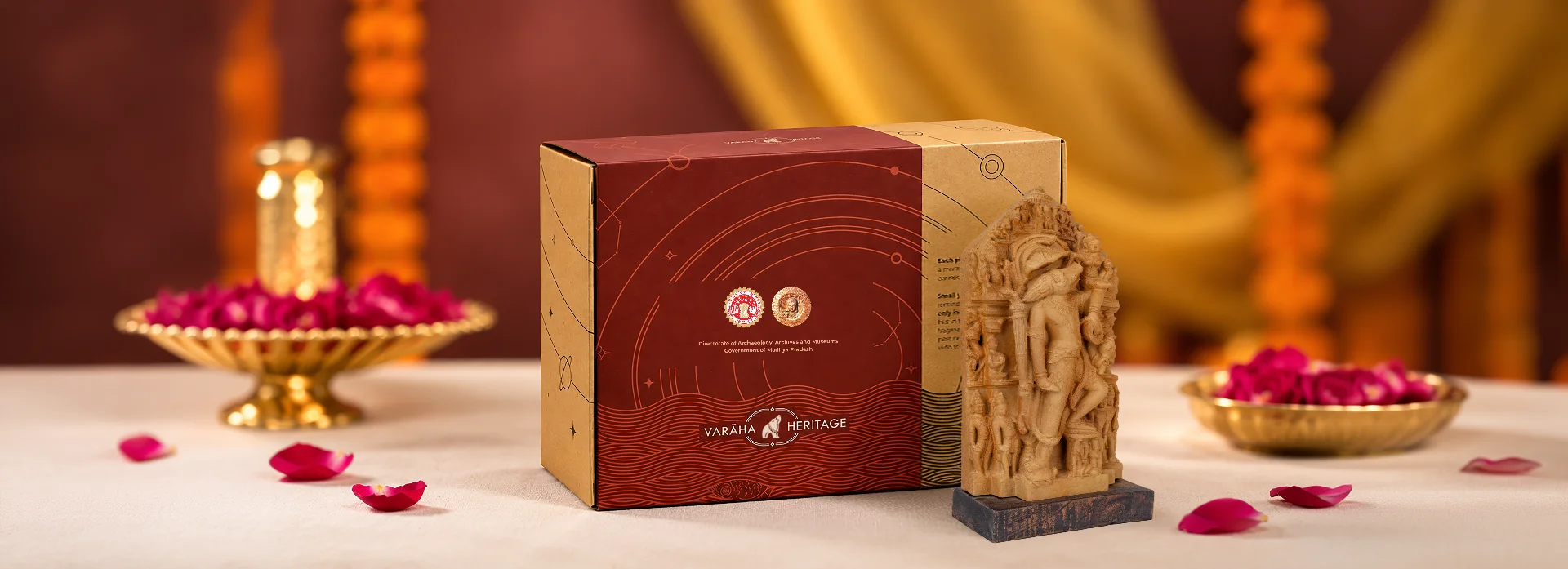
Somewhere between mythology and living room aesthetics, a particular category of gift exists that speaks to both the cultural understanding and aesthetic sensibility of the person who receives it. A Varaha artifact carries this dual significance. It functions as a beautiful decorative piece while simultaneously anchoring itself in centuries of spiritual and artistic heritage. But selecting the right Varaha sculpture requires more than admiring its form. It demands understanding what the Varaha represents, how it fits within your home's visual language, and what it will communicate to anyone who encounters it.
This guide walks through the mythology and historical importance of the Varaha, the practical considerations for selecting an authentic artifact, and how to position it meaningfully in your home. If you've been drawn to Indian traditional artifacts but uncertain where to begin with a Varaha sculpture, this framework will clarify that choice. Whether you're selecting a piece for yourself or considering it as a significant gift, understanding these dimensions will ensure your selection carries both visual impact and authentic meaning.
The Varaha Avatar and Its Significance in Indian Culture
The Varaha represents one of the most compelling narratives within Hindu cosmology. According to creation mythology, when the earth became submerged beneath cosmic waters by the demon Hiranyaksha, Vishnu manifested in the form of a great boar to descend into the depths and rescue Bhudevi, the goddess representing the earth. This rescue is far more than a dramatic episode in sacred texts. It embodies the principle of dharma, the cosmic order and righteousness, intervening at moments when equilibrium itself is threatened.
What makes this avatar particularly significant for contemporary appreciation of Varaha artifacts is the layered meaning it carries. The boar form represents raw power combined with divine purpose. The descent into water symbolises the willingness to venture into unknown or dangerous realms for the sake of restoration. The rescue of Bhudevi speaks to protection, renewal, and the restoration of balance. These meanings have resonated across Indian civilization for over two millennia, which is why representations of the Varaha appear across temple complexes, museum collections, and increasingly, in thoughtfully curated homes.
The Nar Varaha, specifically, presents a unique variation. The name "Nar Varaha" refers to the man-boar form of Vishnu, depicting the avatar as a human body with a boar's head. This representation was particularly significant during the Pratihara period. Kings of this era, including the renowned Pratihara king Mihir Bhoja, used the Nar Varaha symbol on their coins and in their palaces. The sculpture served a political purpose during times of instability, with rulers positioning themselves as saviors of their lands, much like Varaha rescued the earth. This dual significance, spiritual and political, makes the Nar Varaha a uniquely resonant artifact across Indian history.
When you place a Varaha artifact in your living space, you're not simply selecting a decorative object. You're inviting into your environment a symbol laden with spiritual significance and artistic heritage. The piece becomes a visual reminder of these principles: that balance can be restored, that protection exists, that divine intervention is possible even in moments of profound challenge.
Understanding the Varaha in Ancient Indian Sculptures
The artistic representation of the Varaha has evolved significantly across different periods of Indian art history, and understanding these variations is essential when selecting a piece that resonates both aesthetically and conceptually with your space.
Early Medieval Period (6th-8th centuries): Sculptures from this era tend toward naturalistic interpretation of the boar form. Artisans paid close attention to anatomical accuracy, the powerful snout, the muscular frame, and the dynamic positioning that suggests the moment of rescue itself. Early Varaha sculptures emphasize the physical prowess of the avatar. Examples of ancient Indian sculptures from this period, found across various temple sites, demonstrate the craftsmen's keen observation of animal form combined with spiritual significance. These pieces capture movement and energy, often showing the boar in an active stance with Bhudevi held protectively.
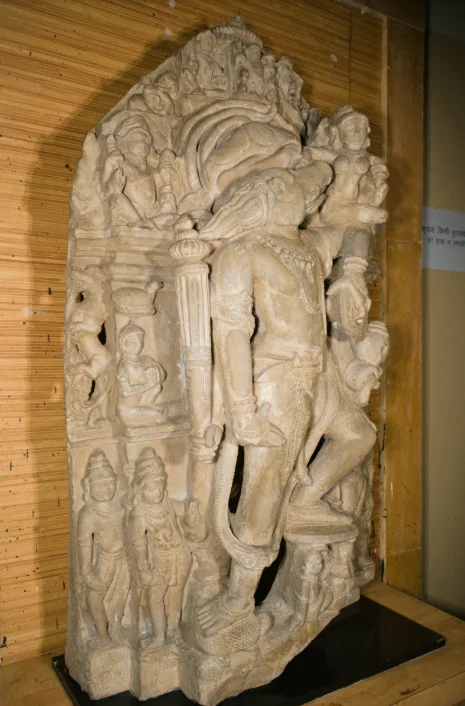
Pratihara Period (9th-12th centuries): The Nar Varaha sculpture preserved at State Museum Bhopal exemplifies the Pratihara artistic tradition. Dating to the 10th century and originating from Mandsaur District, this piece shows the distinctive characteristics of the period. During the Pratihara dynasty, Varaha representations became increasingly refined. The man-boar form became more stylized, incorporating decorative elements and symbolic embellishments. The figure of Bhudevi became more prominent within the composition. These ancient Hindu god sculptures demonstrate a sophisticated balance between naturalism and symbolic representation. The craftsmanship became more intricate, with attention to ornamental detail that reflects the spiritual elevation of the moment being depicted. The Nar Varaha specifically captures this refinement, with clear narrative depth that tells the story of rescue and restoration through sculptural form.
Later Medieval Interpretations (12th-16th centuries): As time progressed, Varaha sculptures incorporated influences from different regional schools of art. Some pieces became more architectural in their presentation, designed to be integrated into temple walls or niches. Others remained as standalone devotional sculptures. The variation across these periods demonstrates that the Varaha has never been a static artistic form. It has continually evolved while maintaining its essential spiritual identity.
When you examine ancient Indian sculptures of the Varaha, whether in museums or through documented references, you notice that no two pieces are identical. Each carries the aesthetic sensibility of its particular era, the regional artistic traditions of its creation, and the spiritual understanding of the period in which it was carved. The Nar Varaha from State Museum Bhopal carries all these dimensions within its 10th-century form. This variation is not a weakness but rather evidence of the Varaha's enduring relevance. Each generation has found ways to reinterpret and re-present this avatar in ways that continue to speak to contemporary concerns about balance, protection, and restoration.
Why the Nar Varaha Makes a Particularly Meaningful Gift
Gift-giving within Indian tradition has never been merely transactional. An object offered as a gift carries intention, care, and often, spiritual significance. When you present someone with a cultural heritage artifact, particularly one as meaningful as the Nar Varaha sculpture, you're communicating something substantial. You're saying: "I have selected this with intention. I understand its significance. I believe it belongs in your life and space."
The Nar Varaha emerges as a particularly inspired choice for several distinct gifting scenarios.
For Housewarming and New Homes: The Nar Varaha's mythological function as a rescuer and restorer makes it an ideal presence when someone is establishing a new home. Placing a Nar Varaha artifact in a newly inhabited space carries symbolic resonance. The home is protected, blessed, and oriented toward harmony and balance. A housewarming gift of the Nar Varaha sculpture, priced at ₹11,999, acknowledges that the recipient is embarking on a new chapter, and the ancient protective symbolism of the avatar offers spiritual grounding for that transition. The piece's availability in three sizes—5-inch, 9-inch, and 12-inch—makes it adaptable to any home environment.
For Life Transitions and Transformations: The Varaha's story is fundamentally about transformation through divine intervention. When someone faces a significant life transition, a career change, or a major personal growth period, the Nar Varaha artifact serves as a tangible reminder that restoration and renewal are possible. The sculpture becomes a conversation piece, prompting reflection on the mythology and its contemporary relevance. The hand-finished stone composite Nar Varaha brings authentic craftsmanship into your home, making it far more than a decorative object.
For Collectors of Indian Traditional Artifacts: For those who appreciate documented heritage pieces and understand the connection between contemporary life and ancient artistic traditions, the Nar Varaha sculpture from State Museum Bhopal represents more than decoration. It's a direct link to centuries of artistic and spiritual legacy. The piece deepens in significance the more one learns about its historical context. Originating from Mandsaur District in the 10th century, the Nar Varaha embodies the Pratihara period's artistic sophistication. Collectors value the authentication certificates that accompany Varaha Heritage replicas, which document that the museum original is preserved at State Museum Bhopal.
For Spiritual and Aesthetic Seekers: Unlike purely decorative pieces, the Nar Varaha artifact functions simultaneously as visual art and spiritual anchor. It creates a focal point that invites contemplation and reflection. For individuals who value spiritual symbolism integrated into their living environments, the Nar Varaha offers this integration naturally. The sculptural presence of these ancient Hindu god sculptures brings both beauty and meaning to a space. Customer reviews consistently note how the Nar Varaha's story comes through clearly in the carving, making it a piece that continually reveals new details with extended viewing.
For Diwali and Festival Gifting: The Nar Varaha is specifically noted as an exceptional choice for Diwali gifts for family. Its association with protection, prosperity, and dharma restoration aligns perfectly with festival gifting intentions. The piece arrives in a premium black presentation box alongside an official certificate of authenticity, making it beautifully packaged for gifting occasions.
The most memorable gifts are those given with clear understanding of their meaning. When you can articulate why you've chosen the Nar Varaha for someone, referencing its symbolism, its historical significance from Mandsaur District, or its role in their particular life circumstance, the gift transcends being an object and becomes a meaningful gesture rooted in authentic cultural understanding.

How to Choose the Right Varaha Artifact for Your Home
Selecting a Varaha artifact involves balancing aesthetic preferences, practical considerations, and intentional meaning-making. The Nar Varaha sculpture from Varaha Heritage offers specific options that address these considerations directly.
Selection Consideration | Key Questions to Ask | Decision Guidance for Nar Varaha |
Size and Scale | How large is the space where the artifact will be positioned? What visual weight does the room already carry? | 5-inch Nar Varaha: ideal for shelves, entryways, intimate spaces, or study tables. 9-inch piece: suited for living rooms as a secondary focal point. 12-inch Nar Varaha: commands substantial visual presence, perfect for primary focal points or dedicated puja corners |
Artistic Period | Do you prefer the dynamic energy of early medieval forms, or the refined symbolism of classical representations? | The Nar Varaha is 10th-century Pratihara period work, balancing naturalism with elaborate spiritual symbolism and political significance. Perfect for those seeking classical refinement and documented heritage authenticity |
Material and Durability | Will the artifact remain permanently in your home, or might it require relocation? | Nar Varaha hand-finished stone composite: optimized for home placement, durable, and designed for lasting presence. The stone composite construction ensures the piece maintains its beauty for decades while remaining significantly lighter than natural stone for easier placement |
Placement and Lighting | Where specifically will you position the artifact? What natural or artificial lighting is available? | Elevated placement (shelf, stand, or pedestal): shows respect and improves visibility of the Nar Varaha. Side or accent lighting: reveals the intricate temple art details and sculptural depth. Protected from direct sunlight: preserves the hand-finished surface over time |
Spiritual vs. Aesthetic Intent | Is the artifact primarily a spiritual focal point, or does it integrate with your overall décor scheme? | Spiritual primary use: the Nar Varaha deserves dedicated, honored placement with daily interaction. According to Vastu, Varaha belongs in the south corner of your home to fortify and shield your household. Aesthetic integration: positioned to complement the room's overall visual design while maintaining its significance |
Authentication and Documentation | Is the historical accuracy and documentation of the original piece important to you? | Nar Varaha comes with complete documentation: verified 10th-century origin from Mandsaur District, currently preserved at State Museum Bhopal. The certificate of authenticity specifies the museum origin, making it a documented bridge to heritage |
Varaha Heritage provides detailed documentation with each Nar Varaha artifact, including information about the museum original at State Museum Bhopal, historical period details, and specifications about the hand-finished piece you receive. This documentation transforms the selection process from a purely aesthetic decision into an informed cultural acquisition.
Beyond these practical factors, trust your intuitive response to a specific piece. Photographs can convey form and proportion, but encountering an artifact in person allows you to observe how light moves across its surface, note the expression in the boar's features, and understand the spatial presence it commands. Customer reviews of the Nar Varaha specifically highlight how the detailing maintains accuracy even when replicated to small sizes, and how the narrative depth of the sculpture becomes apparent upon close examination. This moment of genuine connection matters significantly when you're selecting a substantial piece for yourself or as a meaningful gift.
Nar Varaha Sculpture Placement and Display Considerations
Placement transforms the Nar Varaha artifact from a possession into an active presence that shapes how you experience your home. The specific characteristics of the Nar Varaha sculpture make it particularly suited to certain placements.
Living Room Positioning: A Nar Varaha sculpture in your primary living space becomes a natural visual anchor. Placed on a raised platform or substantial shelf at approximately eye level, the 12-inch Nar Varaha commands attention without overwhelming the room. The hand-finished stone composite construction allows the piece to integrate beautifully into contemporary living spaces. The key is ensuring unobstructed sightlines. Position your artifact where visitors naturally see it as they enter or move through the space, yet not in a location where it competes with furniture or architectural features.
Vastu-Guided South Corner Placement: According to Vastu principles, the Varaha—as the earth's rescuer—belongs in the south corner of your home. This positioning is said to fortify the household and shield it through difficult times. The Nar Varaha's protective symbolism is amplified when placed in this traditional location. Even a 5-inch Nar Varaha in a south corner placement carries this spiritual intention and benefits from Vastu's directional energy.
Entryway Placement: Positioning the Nar Varaha near your home's entrance draws directly on the avatar's protective symbolism. Visitors encounter the sculpture as they arrive, and it creates a threshold presence, a guardian quality that welcomes guests and protects the household. A 9-inch or 12-inch Nar Varaha works particularly well in entryways, its presence announcing the cultural and spiritual values of the household.
Dedicated Spiritual Spaces: If you maintain a puja corner, meditation space, or spiritual altar, the Nar Varaha sculpture can serve as the primary focal point. In this context, placement becomes more intentional and the daily interaction with the piece deepens its significance within your spiritual practice. The 12-inch Nar Varaha works beautifully as the centerpiece of a dedicated altar space, its narrative depth becoming the anchor for daily devotion.
Home Office or Study: The Nar Varaha's association with dharma and purposeful action, reinforced by its historical use on Pratihara coins as a symbol of rulership and justice, makes it a fitting presence in a workspace. Positioned where you can see it during focused work, the Nar Varaha sculpture functions as a visual reminder of righteous effort and protected endeavor. The 5-inch or 9-inch size works particularly well on a desk or shelf, creating a focal point without overwhelming the space.
Shelf and Display Cabinet Placement: The Nar Varaha's "commanding presence" is noted as "quietly powerful enough to anchor a study shelf, a display cabinet, or any room decor arrangement that deserves a genuine centrepiece." This description perfectly captures how the piece functions across various display scenarios. The hand-finished stone composite material ensures the artifact maintains its beauty when displayed on shelves or in cabinets.
The Nar Varaha artifact benefits from several universal placement principles.
Elevation places your piece above floor level, on a shelf, pedestal, or stand, showing respect and improving its visual presence. Clear sightlines mean avoiding positioning your artifact where it's obscured by furniture, curtains, or architectural elements. Appropriate lighting uses natural light or warm artificial illumination to highlight the sculptural detail and enhance the piece's visual impact. Customer reviews specifically note the excellent depth and detailing in the Nar Varaha carving, qualities that require proper lighting to fully appreciate. Environmental protection shields your artifact from direct sunlight exposure, which can fade finishes, excessive moisture, or temperature fluctuations.
Museum Replicas vs. Traditional Varaha Sculptures: Understanding the Difference
When shopping for a Varaha artifact, you'll encounter references to "museum replicas" and "traditional sculptures." Understanding what these terms mean is essential for making an informed selection.
Traditional Varaha Sculptures refer to original ancient artifacts. These pieces were carved centuries ago, often as part of temple complexes or devotional contexts. The Nar Varaha original, dating to the 10th century and originating from Mandsaur District, is now preserved at State Museum Bhopal. Traditional pieces are irreplaceable, protected by archaeological and cultural heritage laws, and studied by art historians and museum curators. You cannot purchase an authentic traditional Varaha sculpture for home placement because genuine ancient pieces belong in museums where they can be preserved and studied.
Museum Replicas are contemporary hand-finished recreations based on documented original sculptures. These pieces are created through a rigorous process. Artisans select a specific, named Varaha sculpture held in a documented museum collection, study its proportions and details extensively, and then recreate it with fidelity to the original. The Nar Varaha sculpture from Varaha Heritage reproduces the historical piece's artistic merit and spiritual significance while being built with hand-finished stone composite materials suited to home placement. A museum replica is not a generic "ancient style" sculpture. It reproduces a particular, identified original with documented accuracy.
Varaha Heritage's Nar Varaha sculpture specifically reproduces the 10th-century piece from State Museum Bhopal. The hand-finished stone composite construction captures the detail and character of the museum original while providing durability for home placement. Each piece arrives with a certificate of authenticity that documents the museum origin, the historical period (10th Century C.E.), and the original location (Mandsaur District, currently at State Museum Bhopal). This documentation transforms the replica from a decorative object into a bridge between your contemporary home and India's artistic heritage.
When you compare the Nar Varaha museum replica to generic Varaha sculptures marketed simply as "ancient style" or "inspired by Hindu mythology," you'll notice the difference immediately. Authentic museum replicas exhibit specific artistic details, proportional accuracy, and historical period characteristics that reflect the original sculpture. The hand-finished Nar Varaha demonstrates this authenticity through its intricate temple art details and detailed documentation.
Customer reviews of the Nar Varaha consistently praise the quality of the replica work. Reviewers note that the detailing maintains accuracy even when replicated to small sizes, and that the carving shows very good depth and clarity. One reviewer specifically mentioned that "the story behind it also comes out very clearly," indicating that the narrative quality of the original sculpture successfully translates into the hand-finished replica.
Why Choose Varaha Heritage for Your Nar Varaha Artifact
When selecting where to source a Varaha sculpture, the distinction between a generic artifact and an authentically documented piece carries real significance. The Nar Varaha from Varaha Heritage exemplifies this commitment to authenticity.
Documented Museum Origins: The Nar Varaha traces to a specific, identified sculpture housed at State Museum Bhopal. Originating from Mandsaur District and dating to the 10th century, this piece isn't loosely inspired by an ancient style. It reproduces an exact, documented archaeological example with fidelity to the original's proportions, detailing, and artistic character. When you receive your Nar Varaha, you receive documentation specifying this museum origin and historical context.
Hand-Finished Artisan Craftsmanship: Rather than mass-produced sculptures, the Nar Varaha is hand-finished by artisans working directly from museum reference documentation. This means the fine detail, surface texture, and subtle expression of the original survives into the contemporary version, ensuring authentic artistic representation. The hand-finishing process creates the Nar Varaha pieces that possess the quality and presence of museum-level artifacts. Customer testimonials confirm this quality, with reviewers noting excellent detailing and solid craftsmanship.
Stone Composite Material Optimized for Homes: The Nar Varaha uses hand-finished stone composite construction specifically chosen for home placement. This material captures the fine detailing of the museum original while providing durability and practical functionality. The stone composite is lighter than natural stone, making placement easier, while maintaining the visual weight and presence needed to anchor a space. It's more resistant to environmental fluctuations than natural stone while preserving the authentic appearance.
Cultural Heritage Authenticity with Documented Provenance: Choosing the Nar Varaha connects you to an actual sculpture preserved at State Museum Bhopal. You're inviting genuine cultural heritage into your home through a piece with documented historical significance, rather than purchasing a decorative interpretation with no connection to authentic artifacts.
Permanent Home Presence Built to Last: Unlike clay or plaster pieces meant for temporary seasonal display, the Nar Varaha is built to remain in place for generations. Your sculpture becomes a fixture in your home's visual and spiritual narrative. The hand-finished stone composite construction ensures your artifact maintains its beauty for decades, with customers reporting pieces that "look beautiful in person" and arrive "safely" with lasting quality.
Premium Packaging and Authentication: Each Nar Varaha arrives in a premium black presentation box alongside an official certificate of authenticity and detailed documentation. The unboxing experience reflects the piece's significance, and the certificate documents exactly which museum holds the original work your artifact reproduces. The accompanying informational brochure provides historical context and details about the original sculpture.
Ethical Lead Time and Reliable Delivery: The Nar Varaha ships within 7 business days across India, making it accessible as a gift option even with shorter planning windows. This reliability, combined with customers' reports of safe arrival and beautiful presentation, makes it a trustworthy choice for significant gifts.
Competitively Priced at ₹11,999: The Nar Varaha is priced at ₹11,999 (inclusive of all taxes), making museum-quality heritage sculpture accessible without compromise on authenticity or craftsmanship. This pricing reflects genuine value—customers consistently comment that the price is "quite friendly" relative to the quality delivered.
The Nar Varaha in Your Collection
Beyond the Nar Varaha itself, Varaha Heritage offers complementary pieces that collectors often purchase together. The Adi Varaha Sculpture (₹7,999 for 7-inch), Anantasayana Vishnu Sculpture (₹11,999 for 12-inch), and other documented museum replicas create a cohesive collection of heritage artifacts. The Nar Varaha serves as a particularly strong centerpiece for such a collection, given its historical significance and the clarity with which its narrative comes through in the carving.
Frequently Asked Questions
1. What does a Varaha artifact symbolize in Indian culture?
The Varaha represents divine intervention during moments when cosmic balance is threatened. As an avatar of Vishnu, it symbolizes protection, dharma (righteousness), restoration, and the triumph of order over chaos. The Nar Varaha specifically, with its man-boar form, carries additional significance as a symbol of leadership and justice, particularly during the Pratihara period when kings used it to represent themselves as saviors of their lands. In a home context, a Varaha artifact serves as a tangible reminder of these principles and as a spiritual anchor during personal transitions or life challenges.
2. Is a Varaha artifact a good gift for a housewarming ceremony?
Yes, it's an ideal housewarming gift. The Varaha's symbolism of rescue and protective restoration makes it particularly meaningful when someone is establishing a new home. It signals thoughtful care and spiritual intention, providing a dimension beyond decorative gifts. The Nar Varaha, noted as an exceptional choice for Diwali gifts for family, works equally well for housewarming occasions. The piece becomes a blessing for the new space and a lasting reminder of the occasion. Varaha Heritage offers the Nar Varaha in three sizes (5-inch, 9-inch, 12-inch), making it easy to find the perfect fit for any home.
3. How do I choose the right Varaha artifact for my home décor?
Consider the room's size and function, your aesthetic preference between different historical period styles, and whether you want the piece to serve primarily as a spiritual focal point or integrate into your overall décor scheme. The Nar Varaha works beautifully in either role. Trust your intuitive response to the specific artifact itself. Genuine connection and resonance matter more than checking off a practical list. Consider the specific placement where it will live and how light will interact with it. If you're drawn to Pratihara-period aesthetics or interested in the political and spiritual dimensions of Varaha symbolism, the Nar Varaha's documented 10th-century origin makes it a particularly authentic choice.
4. Where should a Varaha sculpture be placed in a home?
According to Vastu principles, the Varaha—as the earth's rescuer—belongs in the south corner of your home to fortify and shield your household. This traditional placement is ideal if you're incorporating Vastu guidance into your home arrangement. Beyond Vastu positioning, ideal placement options include living rooms (elevated on a shelf or stand as a focal point), entryways (leveraging the protective symbolism), dedicated spiritual spaces or puja corners, or home offices. The key principle is ensuring the piece sits at approximately eye level, has clear sightlines without obstruction, receives appropriate lighting to highlight sculptural detail, and is protected from direct environmental elements.
5. What should I look for when buying a Varaha heritage sculpture?
Prioritize documentation of the specific original artifact the piece reproduces, hand-finished craftsmanship rather than mass production, durable materials suited to permanent home placement, and fidelity of proportions to the original sculpture. The Nar Varaha meets all these criteria, with documented origin at State Museum Bhopal, hand-finished stone composite construction, and authenticated accuracy to the 10th-century original. Verify that you're acquiring a museum-documented replica of a particular identified piece rather than a generic "ancient style" interpretation. Request information about which museum holds the original. Varaha Heritage provides all this information automatically with each Nar Varaha artifact.
6. Why are Varaha artifacts popular as heritage gifts?
Varaha sculptures carry deep cultural significance and meaningful symbolism that resonates authentically within Indian tradition. As heritage artifacts, they represent genuine craftsmanship and documented connection to ancient artistic practice. Unlike purely decorative gifts, they provide spiritual and cultural substance that deepens over time. The piece becomes a bridge between the giver's intention and the recipient's spiritual life. Recipients often treasure Varaha artifacts because they combine beauty with profound cultural meaning. The Nar Varaha specifically adds historical depth through its connection to Pratihara rulers and its documented preservation at State Museum Bhopal.
7. What is the difference between a traditional Varaha sculpture and a museum replica?
A traditional Varaha is an original artifact carved centuries ago, now preserved in a museum and irreplaceable. The Nar Varaha original, dating to the 10th century, is preserved at State Museum Bhopal. A museum replica is a contemporary hand-finished recreation based on documented proportions and detailing of the specific original. The Nar Varaha replica brings authentic heritage aesthetic into a home setting while maintaining accuracy to the original's design from Mandsaur District. You cannot purchase traditional ancient pieces, but museum replicas allow you to invite that heritage into your space with full authenticity and documented provenance.
8. Are Varaha artifacts suitable for modern home interiors?
Absolutely. Varaha sculptures work particularly well in homes that blend contemporary design with cultural and spiritual elements. The timeless artistic quality of the piece adapts to minimalist, eclectic, bohemian, or traditional décor styles. The Nar Varaha's hand-finished stone composite construction integrates seamlessly into contemporary spaces without sacrificing historical authenticity. The key is treating it as a focal point rather than background decoration, and positioning it where it commands appropriate visual attention. Customers consistently report that the Nar Varaha "looks beautiful in person" and adapts well to various interior design approaches.
Conclusion
Choosing a Varaha artifact for your home or as a gift transcends a simple shopping decision. It represents an opportunity to invite layers of meaning, mythological, historical, artistic, and spiritual, into your physical environment. The Varaha has endured across centuries not merely for visual beauty, but because its symbolism continues to resonate with fundamental human experiences of challenge, protection, and renewal. The Nar Varaha specifically adds the dimension of political significance and Pratihara-era refinement, making it a piece with multifaceted relevance.
When you select the Nar Varaha from State Museum Bhopal, hand-finished to match the 10th-century original's proportions and detail, you're choosing a piece that carries this resonance forward authentically. The documentation that accompanies your sculpture proves its connection to genuine heritage, while the hand-finished stone composite construction ensures the piece maintains its beauty for decades in your home.
The right Varaha artifact speaks to you when you encounter it. The Nar Varaha's narrative clarity, praised by customers for how "the story comes out very clearly" through the carving, creates that connection. It fits the space you envision. It communicates something meaningful to those who see it. Most importantly, it becomes a presence that grows in significance the longer it inhabits your home, a bridge between the spiritual heritage it represents and the contemporary life unfolding around it.
Explore the Nar Varaha Sculpture available in 5-inch, 9-inch, and 12-inch sizes to discover the piece that resonates with your vision for your home, whether for personal placement in your south corner for Vastu protection, a meaningful housewarming gift, or as a centerpiece for your heritage artifact collection. Priced at ₹11,999 with delivery within 7 business days across India, the Nar Varaha brings 10th-century Pratihara artistry into your contemporary space with complete authenticity and documented provenance.