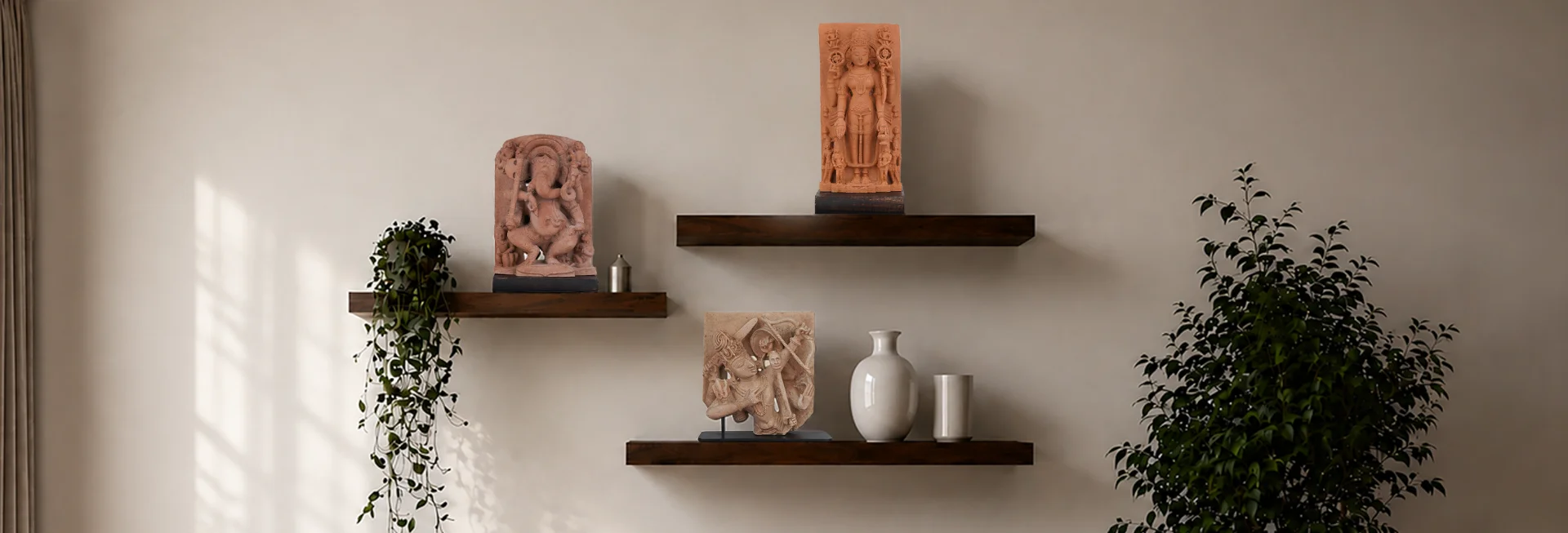
When it comes to heritage, it's impossible to overlook a country like India. India is a land of stories. If you look closely at the walls of our ancient temples, the patterns on a silk saree, the detailing on the ancient sculptures and temples or the intricate carvings on a brass lamp, you are not just looking at objects. You are looking at history. You are looking at the soul of a civilization that has thrived for thousands of years.
Indian heritage artifacts are much more than just decorative items. They are the silent storytellers of our past. They carry the wisdom, creativity, and daily struggles of the ancestors who built the foundation of our culture. Every curve, every colour, and every material used in these pieces tells a timeless story.
In this blog, we will explore the wonderful world of Indian craftsmanship. We will learn how to identify authentic Indian artifacts, appreciate traditional Indian collectibles, and understand why these items are so important to our cultural identity.
What Makes an Artifact "Heritage"?
The word "heritage" refers to something that is passed down from one generation to the next. When we talk about heritage artifacts, we are talking about physical objects that embody the traditions, beliefs, and artistic skills of a community.
These items are not mass-produced in factories by machines. Instead, they are the result of weeks, sometimes months and years, of manual labour by skilled artisans. Whether it is a piece of handcrafted Indian artifacts made of clay, wood, metal, or stone, each one carries the fingerprint of its creator.
These objects connect us to our roots. They remind us of who we are and where we come from. In a modern world that is increasingly digital and fast-paced, keeping these tangible pieces of history in our homes helps us stay grounded.
The Cultural Significance of Traditional Indian Collectibles
Indian cultural artifacts serve as a bridge between the past and the present. They tell us about the social structures, religious practices, and everyday lives of people from different eras.
1. Spiritual and Religious Artifacts
Many Indian artifacts are deeply connected to spirituality. Think of brass idols of deities, stone-carved temple figures, or intricate incense holders. These are not merely for decoration; they represent the philosophical and spiritual values that have guided Indian society for centuries.
2. Everyday Functional Art
In traditional Indian households, even the most mundane objects were beautiful. Water pots, spice boxes, and grain storage containers were often crafted with artistic flair. This shows how beauty and aesthetics were a part of daily life, not just reserved for special occasions.
3. Storytelling Through Crafts
Take, for example, Madhubani paintings or Warli art. These are not just drawings. They are narratives. Madhubani paintings tell stories of the Ramayana and social rituals. Warli art depicts the harmony between humans and nature. By owning these traditional Indian collectibles, you are essentially keeping a library of stories alive in your home.
Deep Dive into Iconic Indian Craft Traditions
India’s diversity is reflected in its vast range of craft traditions. Every state, and often every district, has its own unique style.
The Magic of Metal: Dhokra Art
Dhokra is one of the oldest methods of metal casting in the world, dating back to the Indus Valley Civilization. It uses the "lost wax" technique. Because each mould is destroyed to extract the final piece, every single Dhokra artifact is a unique original. There are no two pieces exactly alike.
The Vibrancy of Textiles
Indian textiles are world-renowned. From the heavy silk brocades of Varanasi to the simple, earthy handlooms of rural villages, each fabric tells a story of the region it comes from. These are not just clothes; they are heirlooms.
Woodwork and Stone Carving
The art of carving wood and stone has flourished in India for millennia. From the intricate lattice work (Jali) seen in Mughal architecture to the temple carvings of South India, these crafts showcase a mastery of patience and precision.
Why Choose Authentic Indian Artifacts?
When you buy an authentic piece, you are doing more than just purchasing a product. You are participating in a cycle of support.
· Supporting Livelihoods: When you buy directly from artisans or authentic platforms, you help sustain traditional families who have kept these arts alive for generations.
· Preserving Techniques: Many traditional skills are at risk of dying out. By showing demand for these products, you encourage the younger generation of artisans to continue their family legacy.
· Quality and Longevity: Authentic Indian artifacts are made to last. Unlike mass-produced plastic decor that breaks or fades, handcrafted items often grow more beautiful with age.
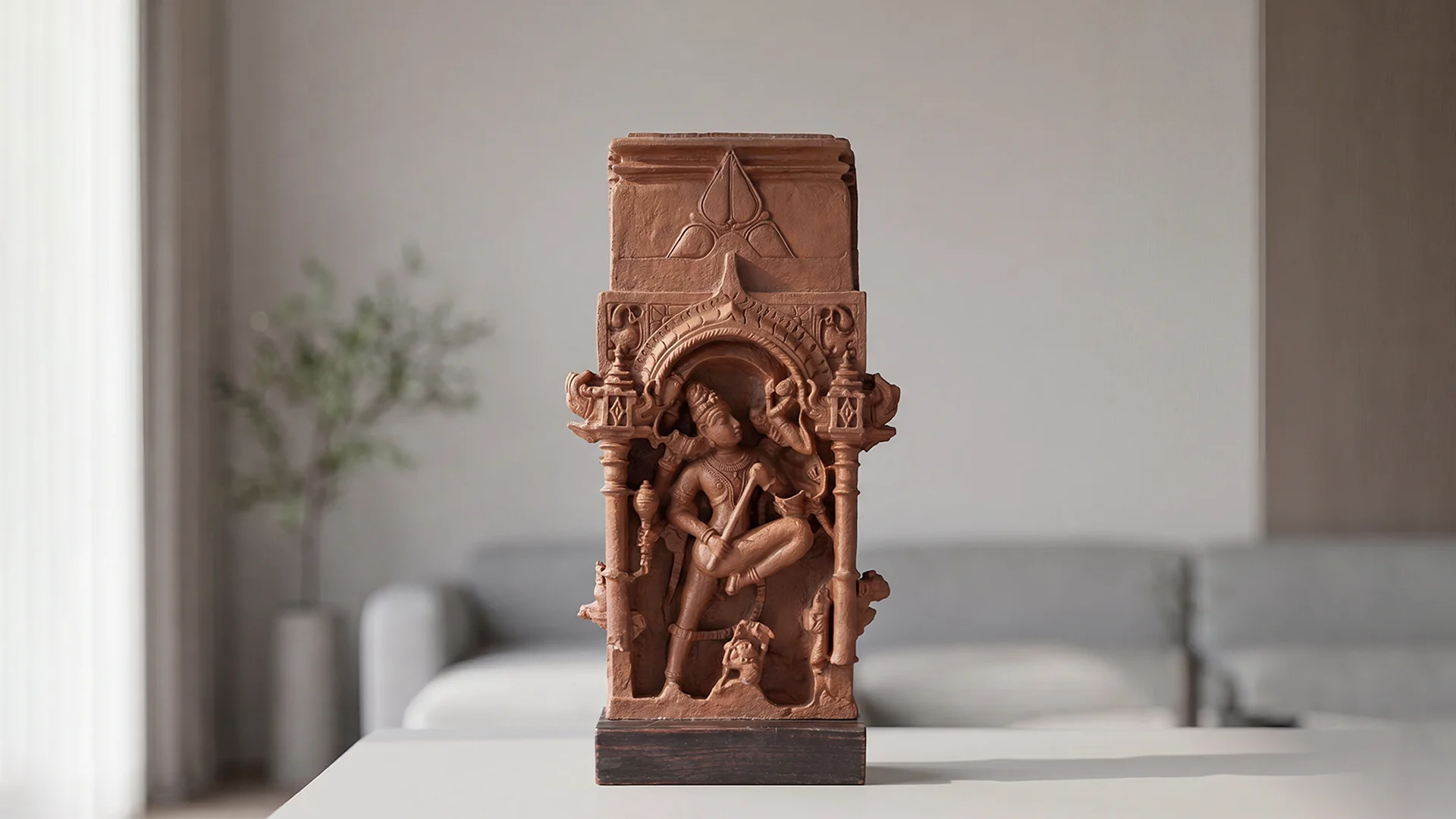
The Role of Varaha Heritage in Preserving the Past
While the world moves forward with technology, we must ensure that our history is not left behind. This is where modern innovators like Varaha Heritage step in.
Varaha Heritage represents a new era in the preservation of Indian history. They recognize that for heritage to remain relevant, it must be accessible. By using cutting-edge 3D scanning and digital technology,
they create incredibly accurate records of archaeological treasures.
But they don’t stop at the digital. Through their work, they offer Indian antique replicas that are museum-authenticated. This is a gamechanger for history lovers. If you have ever wanted to own a piece of history that is an exact, high-quality replica of an original artifact, Varaha Heritage provides that link. They ensure that every piece is accompanied by its true story, helping you understand the history behind the object on your shelf.
How to Incorporate Heritage Decor Items in Modern Homes
You might wonder, "Does a traditional Indian piece fit into my modern apartment?" The answer is a resounding "Yes!" In fact, heritage pieces often add the most character to a modern space.
The Power of "One Statement Piece"
You don't need to fill your entire home with traditional decor to make an impact. Sometimes, a single, well-placed heritage decor item – like a brass lamp, a wooden carved chest, or a framed piece of traditional art – can become the focal point of a room. It adds warmth and a sense of "lived-in" history.
Mixing Old and New
The beauty of design lies in contrast. Place a sleek, modern sofa next to a traditional handwoven rug or a carved wooden side table. This mix of textures and eras creates a home that feels curated and personal, rather than something out of a furniture catalogue.
Tell the Story
If you have an Indian antique replica or a handcrafted piece, don't just put it on a shelf. Tell its story. If guests ask about it, share the history you learned about it. This is exactly what makes heritage decor special – it sparks conversations and invites people to learn about the culture.
Tips for Identifying Authenticity
With the market flooded with machine-made imitations, how can you be sure you are getting the real thing? Here are a few simple tips:
Look for Imperfections: Machine-made items are "perfect" – uniform, smooth, and identical. Handcrafted items usually have subtle variations. These are not flaws; they are signs of a human hand at work.
Check the Weight and Material: Authentic brass, stone, or clay pieces have a certain weight and texture that plastic or resin imitations cannot replicate.
Research the Source: Where did the item come from? Authentic sellers will always be proud to tell you about the region of origin and the artisan community that created the piece.
Look for Certifications: Always look for marks of authenticity. Whether it is a government-issued GI (Geographical Indication) tag or documentation from reputable organizations like Varaha Heritage, these certificates ensure you are getting a genuine piece of history.
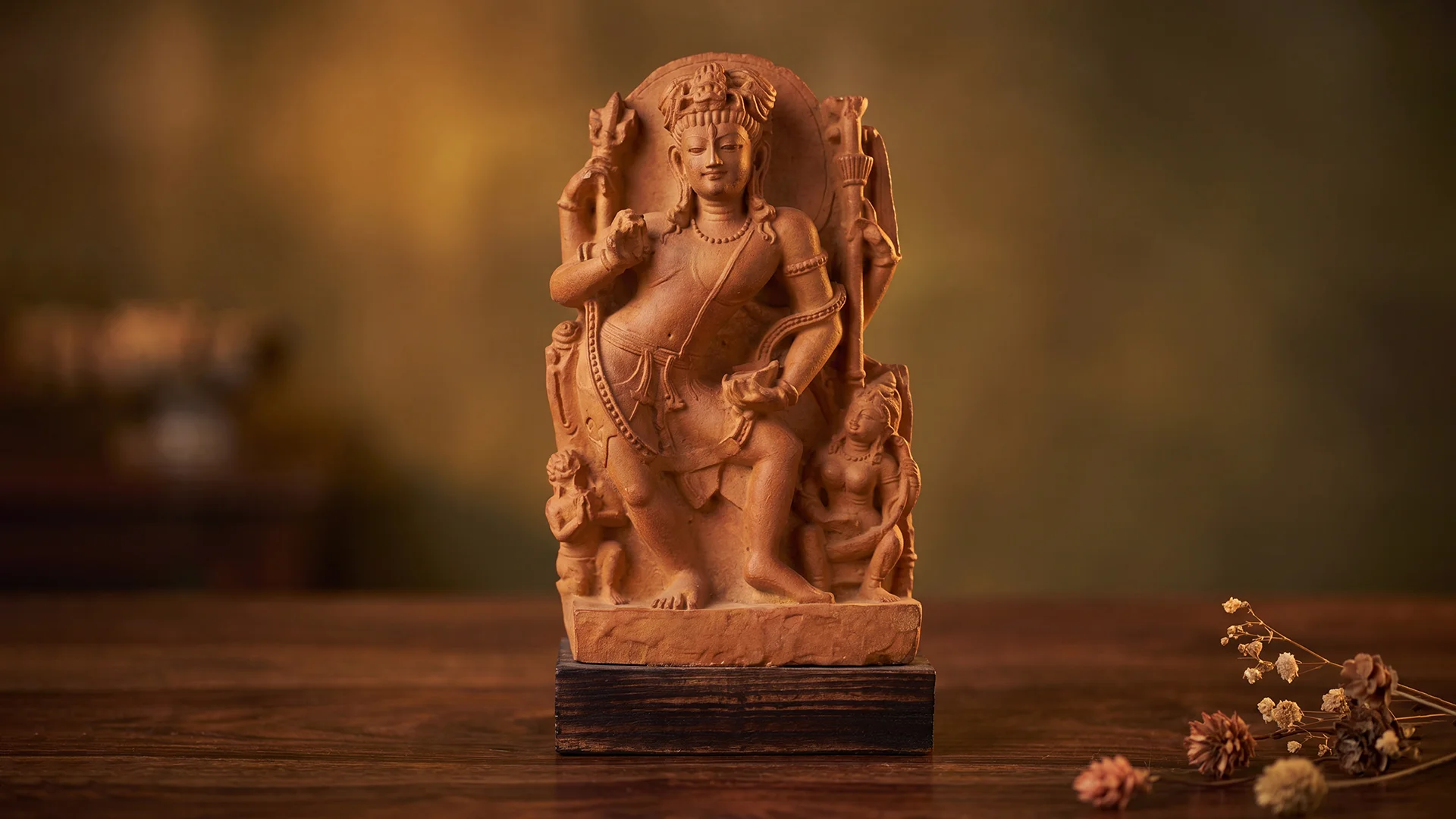
A Legacy for Future Generations
We are the custodians of our culture. The artifacts we choose to bring into our homes today will eventually become the antiques of tomorrow for our children and grandchildren.
When we choose to buy handcrafted Indian artifacts instead of mass-produced goods, we are making a choice to value quality over quantity and meaning over convenience. We are choosing to keep the spirit of our ancestors alive.
The stories of India are vast and diverse. They live in the hands of the potter in a remote village, the weaver at the loom, and the modern technologist digitizing history. By engaging with these artifacts, we become a part of these timeless stories.
Key Takeaways for the Conscious Collector
Value the Process: Understand that the time and effort put into an artifact is what gives it its value.
Curate, Don't Just Collect: Choose pieces that resonate with your personal story and the story you want your home to tell.
Support the Ecosystem: By buying authentic, you support the entire chain of artisans and keepers of our heritage.
Embrace Modernity: Use tools like Varaha Heritage to learn more about the pieces you own. Technology and tradition can – and should – work hand-in-hand.
Indian heritage is not a static thing stored in a museum. It is a living, breathing part of our identity. Every time you bring an authentic piece into your home, you are not just decorating a space. You are celebrating a legacy. You are ensuring that the stories of our past continue to be told, understood, and cherished for many years to come.
So, the next time you hold an Indian artifact, take a moment. Feel the weight of the material. Run your fingers over the carvings. Think about the hands that shaped it and the history it carries. You are holding a piece of India’s soul.
Frequently Asked Questions (FAQs)
1. What are Indian heritage artifacts?
Indian heritage artifacts are objects that represent the artistic, cultural, and historical identity of India. They are typically created using traditional techniques passed down through generations. These items range from ancient sculptures and temple idols to functional daily objects like copper vessels, handwoven textiles, and intricate jewellery, all of which carry the essence of Indian civilization.
2. Why are heritage artifacts important for preserving culture?
These artifacts act as a tangible record of our ancestors. They capture the aesthetic sense, religious beliefs, and daily lifestyles of different eras. By keeping these objects in our lives, we ensure that the knowledge and skills of traditional craftsmen do not fade away. They serve as a vital link that keeps our connection to our roots strong and alive.
3. What are the most popular types of Indian heritage artifacts?
Some of the most sought-after traditional Indian collectibles include brass and bronze idols (often made via the Dhokra technique), stone carvings inspired by temple architecture, Madhubani and Warli paintings, terracotta pottery, and hand-embroidered textiles. Each of these represents a unique regional craft tradition from across the Indian subcontinent.
4. How do artifacts help us understand India's history?
Artifacts provide a physical perspective that books often cannot. They show us how people lived, what they valued, and how their technology evolved. For example, a 2,000-year-old metal tool or a piece of ancient pottery reveals the sophistication of early metallurgy and trade, helping historians' piece together the everyday narrative of India’s vast timeline.
5. What is the difference between an original artefact and a replica artefact?
An original artefact is an authentic, period-specific item that has survived through history. A replica, such as those produced by Varaha Heritage, is a high-quality reproduction of an original piece. Replicas are created to be visually and structurally identical to the original, allowing history enthusiasts to appreciate and own the aesthetic beauty of ancient designs without the fragility of centuries-old originals.
6. How should Indian heritage artifacts be preserved?
To keep your items in good condition, avoid direct sunlight and harsh chemicals. Metal items should be wiped with a soft, dry cloth; wooden items may require occasional natural oiling; and fragile pieces should be kept in stable, humidity-controlled environments. Treating these objects with care ensures they remain beautiful for future generations.
7. Why do museums display replica artifacts instead of originals?
Museums often use Indian antique replicas to protect fragile, priceless originals from environmental damage, theft, or wear and tear. Replicas also allow museums to share history in multiple locations simultaneously, ensuring that more people can learn about Indian culture without putting the actual historical item at risk.
8. Can heritage artifacts be used for home décor?
Absolutely! Using heritage decor items is a wonderful way to add depth, warmth, and character to your living space. Whether you choose a classic brass lamp, a traditional wall hanging, or a handcrafted stone sculpture, these items serve as sophisticated conversation starters that blend cultural legacy with modern interior design.